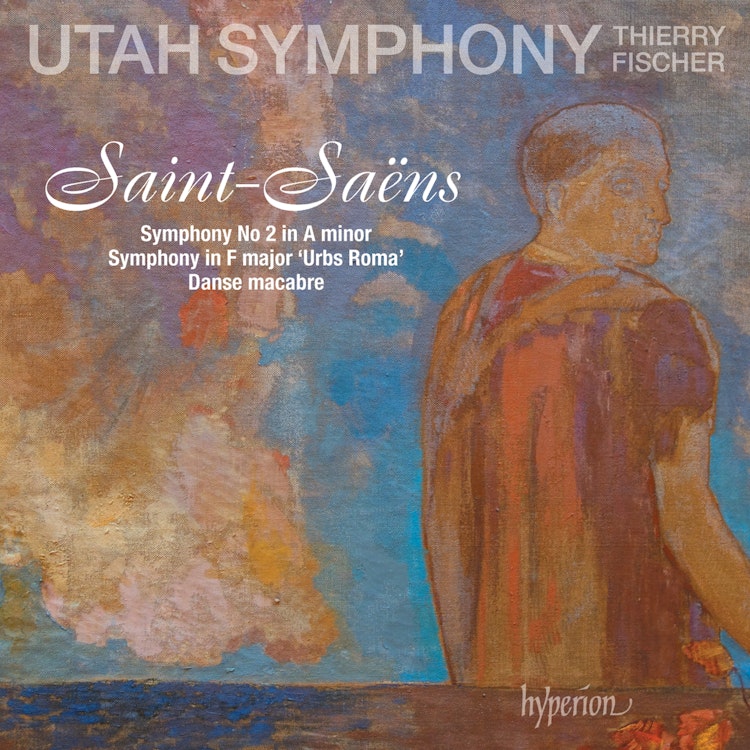
Saint-Saëns: Symphony No. 2, Danse macabre & Urbs Roma
1/26/2024, 9 Tracks, 1:12:42
Featuring
Thierry Fischer
Madeline Adkins
Utah Symphony Orchestra
Camille Saint-Saëns
Did you know?
1/7
Compositional Technique
The Symphony No 2 by Saint-Saëns begins with a fugue on the same material as its short prelude, an innovation that scandalized many in the audience at its premiere.
Composition History
Saint-Saëns's 'Danse macabre' originated as a song in 1873, but he reworked it for orchestra in 1874 after most singers found it too difficult.
Composition History
Saint-Saëns's Symphony in F major 'Urbs Roma' was written for a competition held by the Société Sainte Cécile of Bordeaux, which he won.
Composition History
The title 'Urbs Roma' for Saint-Saëns's Symphony in F major was an anonymous pseudonym required by the competition judges to ensure fair play.
Composer Biography
As a ten-year-old, Saint-Saëns's performances of Mozart's B flat concerto and Beethoven's third piano concerto led one critic to call him "one of those high intelligences that are epoch-making."
Composition History
Saint-Saëns never promoted or published his Symphony in F major 'Urbs Roma', which was finally published in 1974.
Notable Performances
Saint-Saëns's Symphony No 2 was dedicated to conductor Jules Pasdeloup, who gave its first Paris performance on March 25, 1860, following its world premiere in Leipzig.
You might also enjoy...
Rachmaninov: Symphony No. 1 - The Isle of the Dead - Youth Symphony
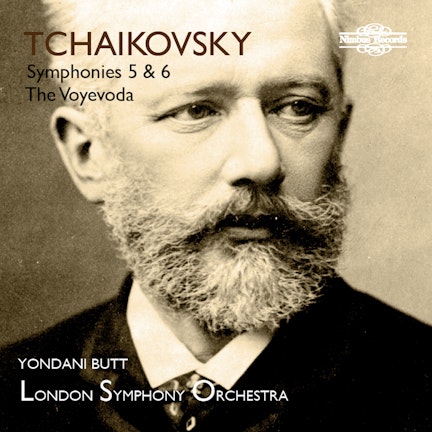
Tchaikovsky: Symphonies Nos. 5 & 6
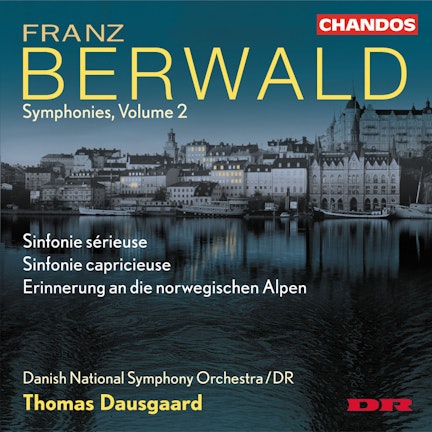
Berwald: Symphonies, Vol. 2
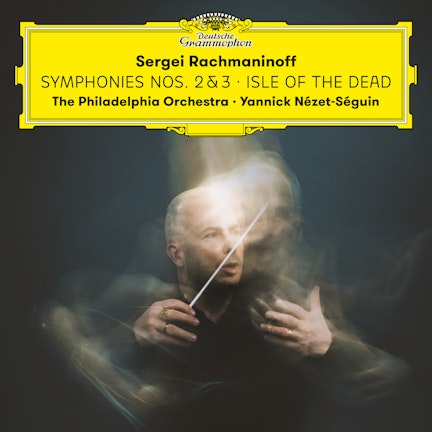
Rachmaninoff: Symphonies Nos. 2 & 3; Isle of the Dead
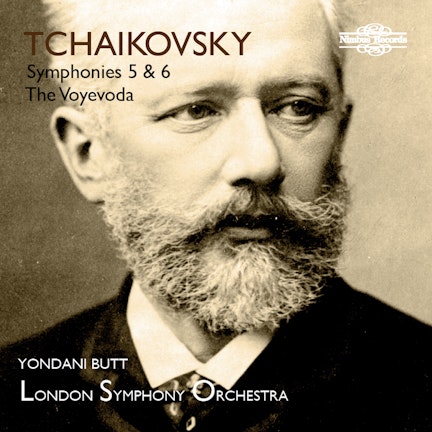
Tchaikovsky: Symphony Nos. 5 & 6 and The Voyevoda
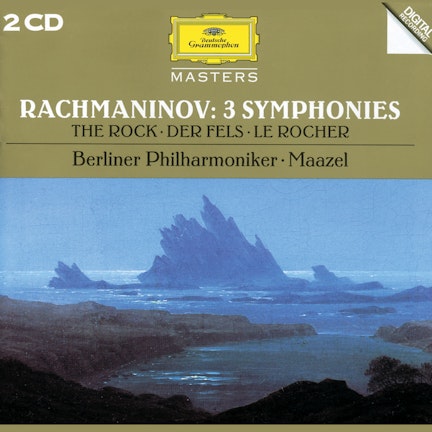
Rachmaninov: 3 Symphonies
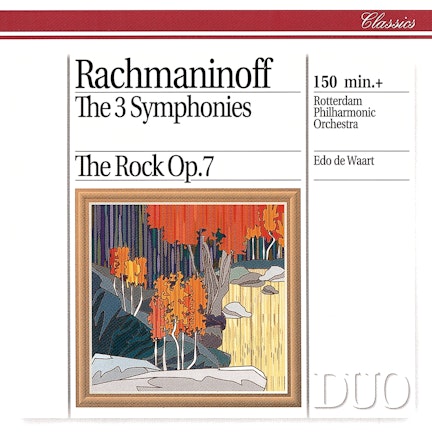
Rachmaninov: The Symphonies; The Rock
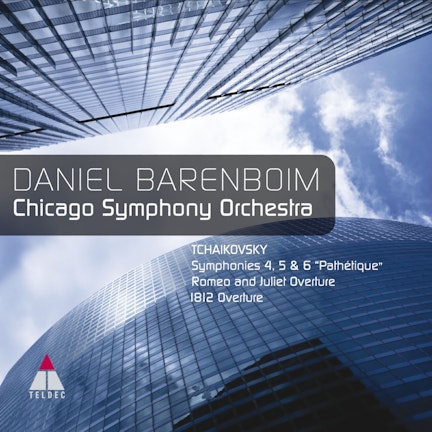
Tchaikovsky: Symphonies 4-6
Barenboim and Chicago Symphony Orchestra - The Erato-Teldec Recordings, Vol. 2
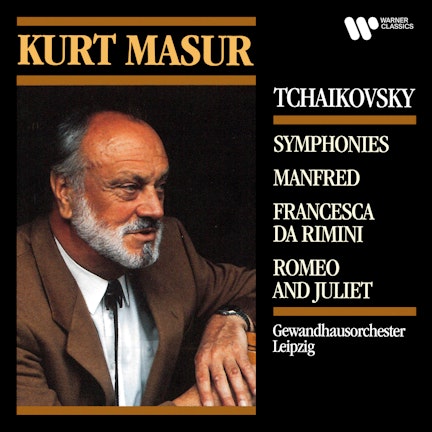
Tchaikovsky: Symphonies, Romeo and Juliet, Francesca da Rimini & Manfred
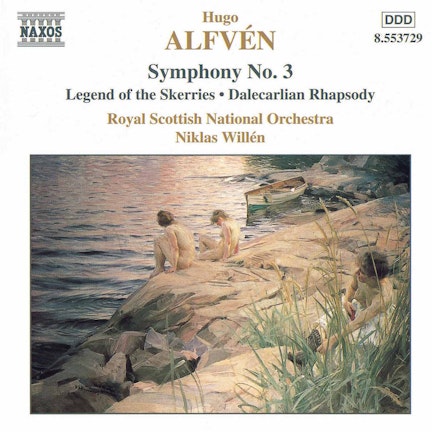
Alfven: Symphony No. 3 / Legend of the Skerries
Godard: Orchestral Works
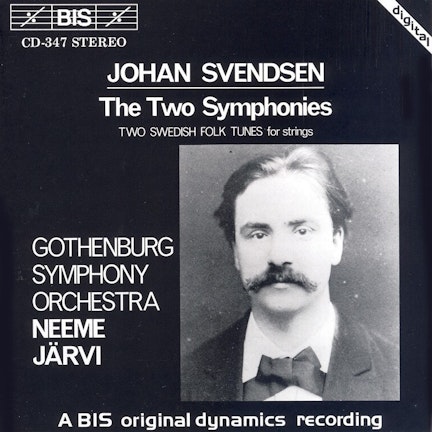
Svendsen: Symphony No. 1 / Symphony No. 2 / 2 Swedish Folk Tunes
Rimsky-Korsakov: Symphonies Nos. 1 and 3 / Fantasia On Serbian Themes