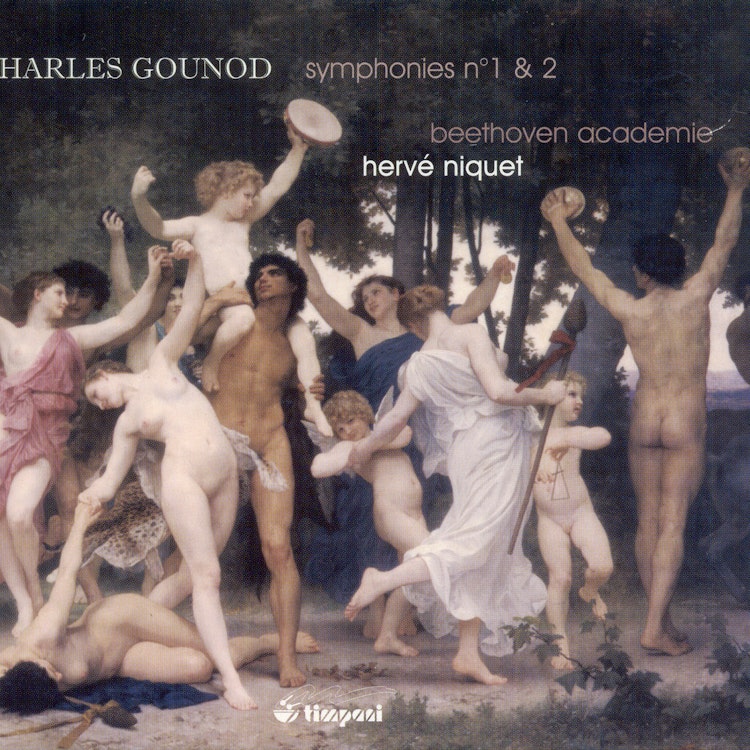
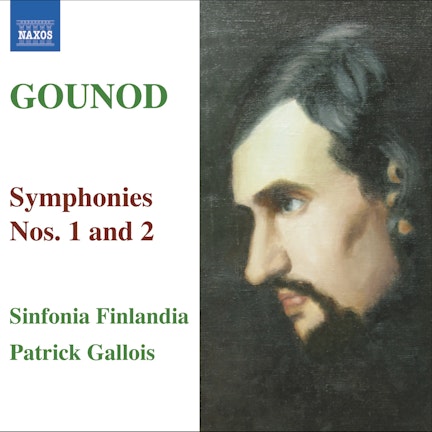
Gounod turned to composing his first symphony after the failure of his opera "La Nonne sanglante" at the Paris Opera, finding solace in the symphonic form.
Composer Biography
Charles Gounod, known for operas like "Faust," often composed religious and instrumental music during periods of self-doubt, especially when his operatic works faced difficulties.
Performer Biography
This recording is the first and last album released by the Beethoven Academie with its chief conductor Hervé Niquet, as the orchestra ceased operations at the end of 2006 due to funding cuts.
Historical Context
In 1846, the Académie des Beaux-Arts reformed the regulations for the Prix de Rome, officially allowing instrumental music, specifically four-movement symphonies, as part of the academic curriculum.
Critical Reception
Gounod's symphonies, though not considered 'immortal masterworks,' suffered from the immense fame he achieved with his opera "Faust," which overshadowed his other compositions.
Performer Biography
Hervé Niquet, the conductor, is a versatile musician who founded Le Concert Spirituel in 1987 to revive French Baroque repertoire and is considered a leading specialist in the field.