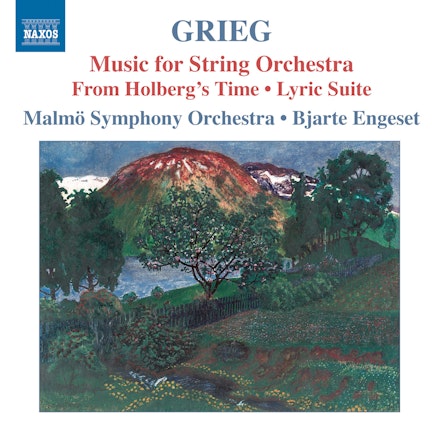
Grieg referred to his 'Suite in the old style', From Holberg's Time, Op. 40, as his 'periwig piece' and a good exercise in hiding his own personality, as he aimed to evoke a past era rather than his personal style.
Interpretation
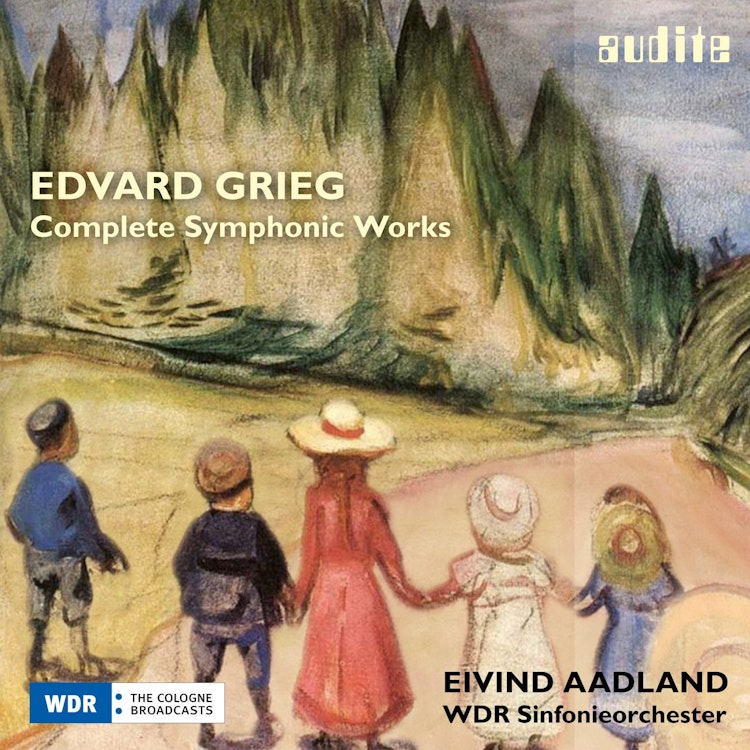
Conductor Eivind Aadland, who grew up in Bergen near Grieg's home, emphasizes the folkloristic elements in Grieg's music, aiming for a lighter orchestral sound distinct from German Romantic ideals.
Composer Biography
Edvard Grieg, the composer, was described by Peter Tchaikovsky as a small, frail man with fair curls and an almost youthful beard, possessing eyes reminiscent of an innocent child's gaze.
Historical Context
Grieg and Nordraak founded the music society Euterpe in Copenhagen in 1865, aiming to exploit unused Norwegian melodies and tonal systems, which carried strong political traits during Norway's union with Sweden.
Composer's Artistic Vision
Grieg's friend Rikard Nordraak led him to discover native Norwegian folk music, which became the basis of Grieg's future style and helped him break away from the 'effete Scandinavism' influenced by Mendelssohn.
Cultural Impact
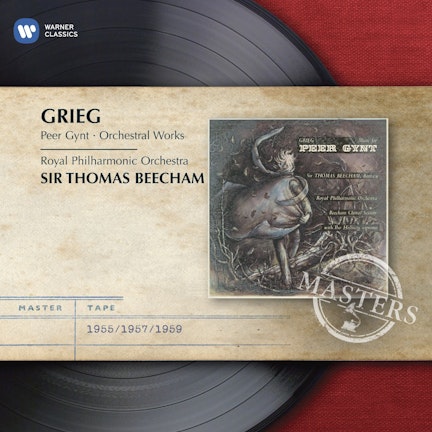
Grieg's music for Peer Gynt, despite the play's misanthropic character, made numbers like 'Morning Mood' and 'Solveig's Song' very popular, becoming part of the core romantic repertoire.
Composition History
Grieg's incidental music for Henrik Ibsen's play Peer Gynt was a commission he initially accepted for the fee, but later found the subject 'most unmusical' and a laborious chore.
You might also enjoy...
Grieg: Complete Orchestral Works
Grieg: Suite No. 1 from Peer Gynt, Two Elegiac Melodies & Symphonic Dances