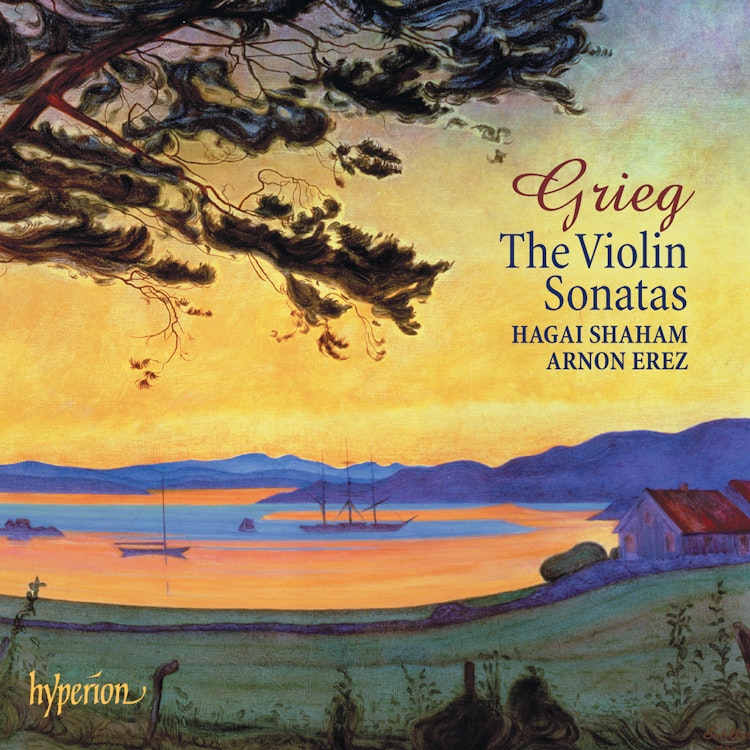
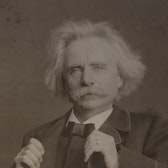
Edvard Grieg, at age 56, considered his three violin sonatas among his best works, each representing a stage in his development: "the first naïve, rich in ideas, the second national and the third with a wider horizon."
Composition History
Grieg composed only five chamber music works in his extensive catalog, and three of these are violin sonatas, making it a significant genre for him.
Composition History
Franz Liszt praised Grieg's Violin Sonata No. 1, Op. 8, in a letter, recognizing his vigorous, reflective, and inventive compositional talent.
Composer Biography
Grieg's early musical development was significantly influenced by the violinist and composer Ole Bull, a pioneering Norwegian nationalist in music, who convinced Grieg's parents to send him to Leipzig for formal training.
Historical Context
The Hardanger fiddle (hardingfele) was, and still is, the Norwegian folk instrument par excellence, and its sound became a symbol of Norway's identity and desire for independence.
Compositional Technique
A falling three-note figure, a minor second followed by a major third, appears so often in Grieg's music that it is sometimes referred to as the 'Grieg motif' or 'Grieg formula'.
Critical Reception
Grieg's Third Violin Sonata, Op. 45, was immediately popular, selling 1,500 copies within months of its appearance and remaining a recital favorite for violinists.
You might also enjoy...
The Fiddler Of The Opera
Salut d'amour
Interchange
Bloch, E.: Violin and Piano Music (Complete)
Mischa Elman: Complete Victor Recordings (1926-32)
Jelly d'Arányi: The complete Columbia recordings (1928-31)
Respighi: Complete Works for Violin & Piano, Vol. 1
Grieg: Samlede Fiolinsonater
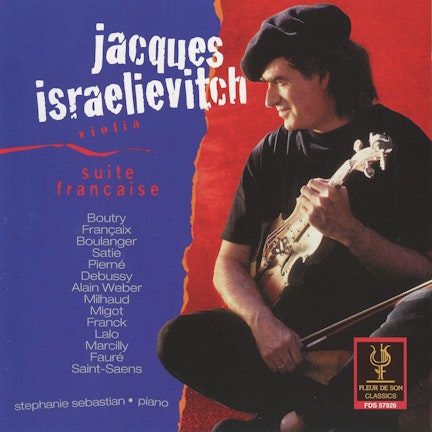
Suite francaise
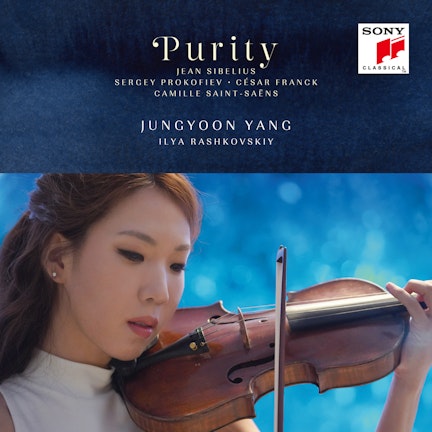
Purity
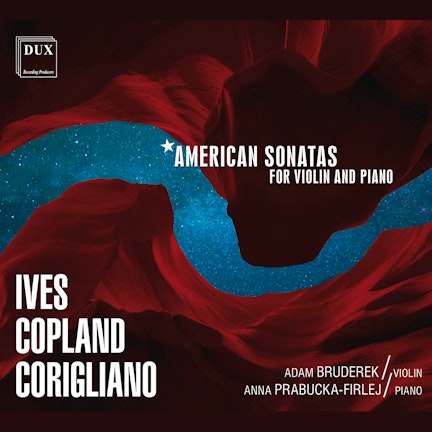
Ives, Copland & Corigliano: American Violin Sonatas
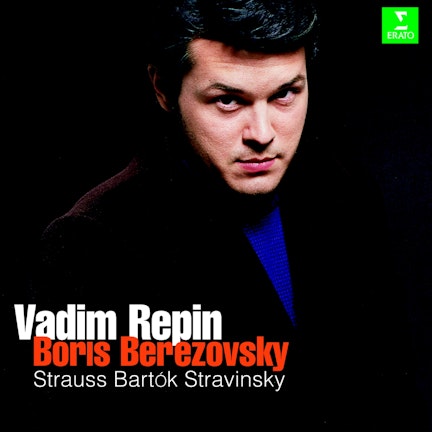
Strauss, Stravinsky & Bartók : Violin Sonatas
Bartók: Sonata For Violin And Piano No.1, Sz. 75 / Janácek: Violin Sonata / Messiaen: Theme And Variations For Violin And Piano