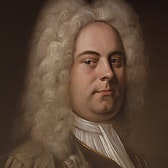
Handel's prominence in British cultural life was solidified in February 1727 when his name was included in the Naturalization Act passed by King George I.
Composition History
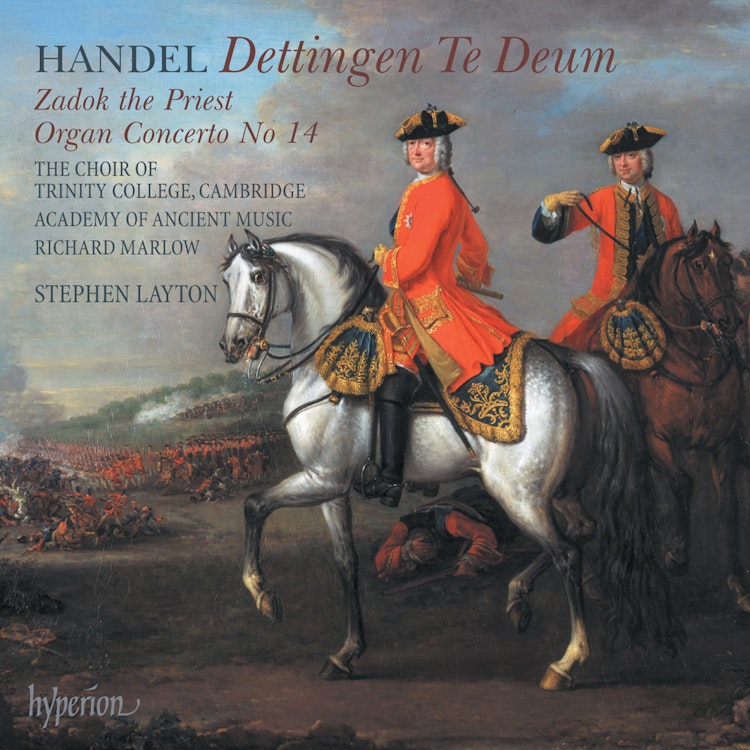
Handel began working on the Dettingen Te Deum on July 17, 1743, after news reached London of King George II's victory against the French at the Battle of Dettingen.
Critical Reception
Mrs. Delany, a loyal friend of Handel, enthusiastically described the Dettingen Te Deum as 'excessively fine' and 'heavenly,' while Jemima, Marchioness Grey, found it 'vastly loud & I thought not agreeable'.
Composition History
Handel started exploiting his renown as a brilliant virtuoso organist by performing solo parts in concertos between acts of oratorios.
Cultural Impact
Handel's 'Zadok the Priest' (HWV 258), based on 1 Kings 1:38-40, has been performed at every subsequent British coronation since its premiere in 1727.
Historical Context
The Battle of Dettingen, fought on June 27, 1743, was the last occasion a British monarch personally led an army and fought in battle.
Composer Biography
Handel devoted almost his entire career to composing, arranging, adapting, revising, rehearsing, promoting, and performing works for the London stage.
You might also enjoy...
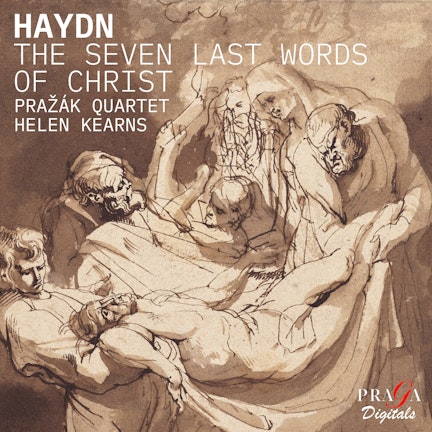
Haydn: The Seven Last Words of Christ
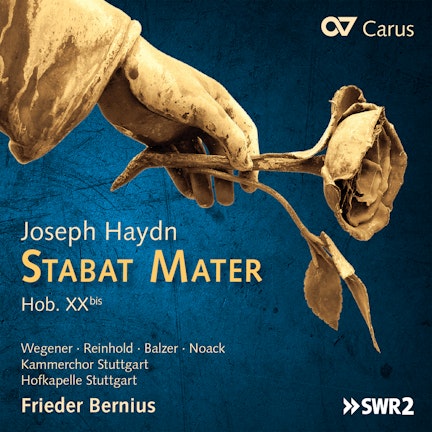
Joseph Haydn: Stabat Mater
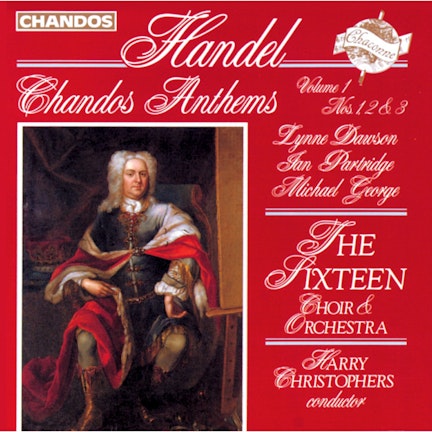
Handel: Chandos Anthems, Vol. 1
CPE Bach: Magnificat, Wq. 215
Händel: Ode for St. Cecilia's Day
J.S. Bach: Wer weiß, wie nahe mir mein Ende? BWV 27
Handel: Ode For St. Cecilia's Day
Mozart: Vesperae de Dominica; Litaniae de venerabili altaris sacramento