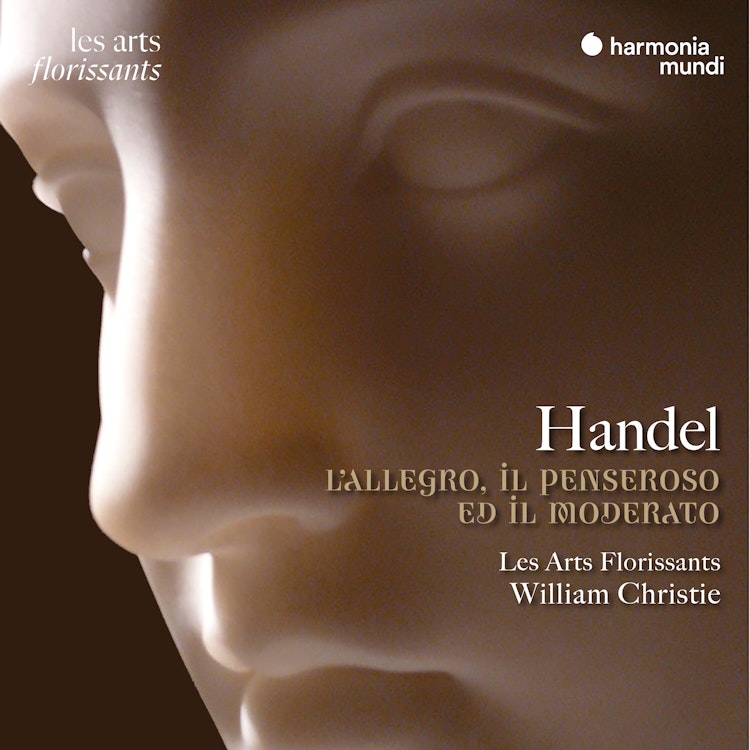
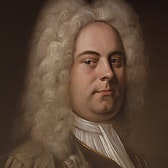
Handel's L'Allegro, il Penseroso ed il Moderato was composed in a record time of barely two weeks during the winter of 1739-40.
Composer's Artistic Vision
The contrast between L'Allegro (joy) and Il Penseroso (melancholy) in the work may reflect a 'cognitive dissonance' in Handel's own life between his fervent inner world and his public image.
Composer's Artistic Vision
Handel's contemporaries described his ability to 'paint' each word of Milton's text with musical sounds, with composer William Hayes noting that Handel's musical pictures 'speak'.
Composition History
The work marks a pivotal period in Handel's career, as the London public was tiring of his Italian operas, leading him to focus on English oratorios, a phase that culminated in the creation of Messiah two years later.
Composer's Artistic Vision
Handel's L'Allegro, il Penseroso ed il Moderato is considered his most mysterious work, a hybrid composition between oratorio, ode, and serenata, with a philosophical and moral purpose rather than dramatic action.
Composer's Artistic Vision
The work features allegorical figures, L'Allegro and Il Penseroso, based on poems by John Milton, with a third part, Il Moderato, added by librettist Charles Jennens.
Interpretation
The performers, Les Arts Florissants under William Christie, approach the work like a painter's workshop, aiming to 'paint every word' and make the instruments as descriptive and vocal as possible.
You might also enjoy...
Boismortier: Les Quatre Saisons
Telemann: Der Tag des Gerichts (The Day of Judgement)
Bach: Jagdkantate
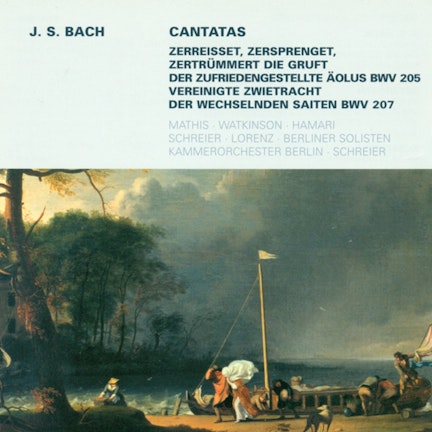
Bach: Cantatas - BWV 205, 207
Handel: La Resurrezione
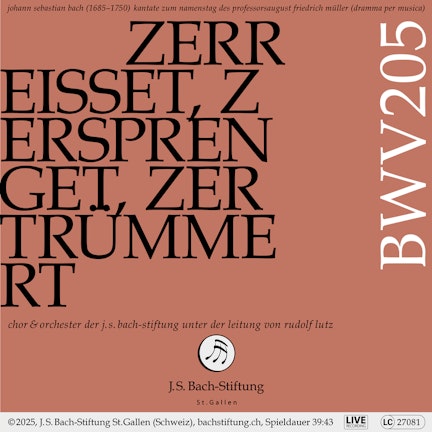
J.S. Bach: Zerreißet, zersprenget, zertrümmert die Gruft, BWV 205
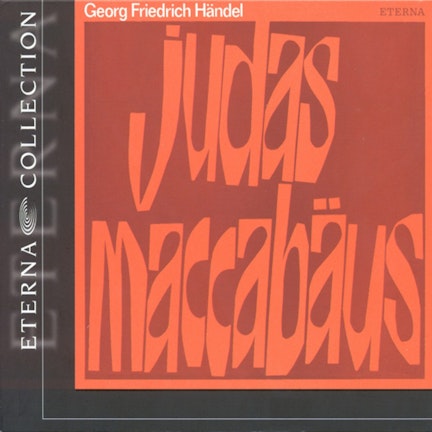
HANDEL, G.F.: Judas Maccabaeus (Sung in German) [Oratorio] [Koch]
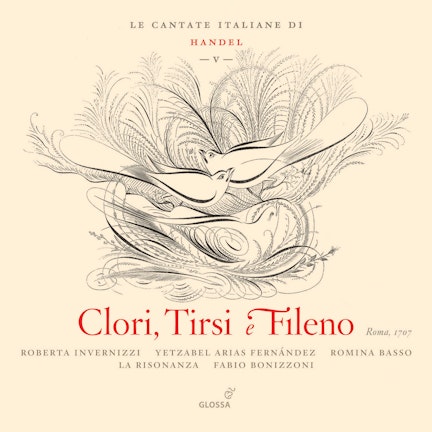
Handel, G.F.: Cor Fedele (Clori, Tirsi E Fileno)
Handel, Brockes-Passion
Bach: Lasst und sorgen, lasst uns wachen, BWV 213 (Herkules auf dem Scheidewege)