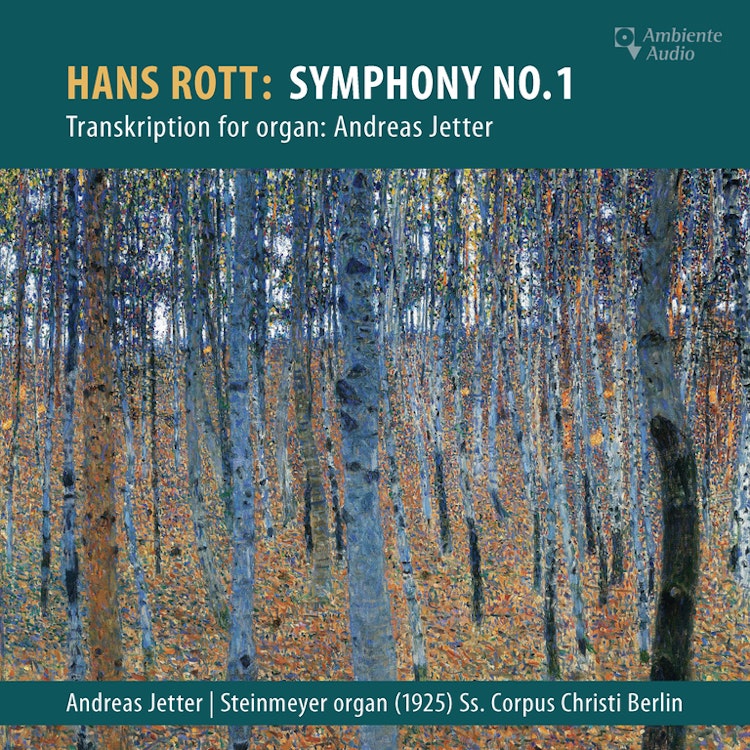
Hans Rott: Symphony No. 1 E major - Transkription for organ by Andreas Jetter
5/19/2023, 4 Tracks, 1:04:27
Featuring
Andreas Jetter
Hans Rott
Did you know?
1/7
Notable Performances
Hans Rott's Symphony No. 1 was not heard by an orchestra during his lifetime; its premiere took place over a century later in America to a sensational reception.
Instruments
The Steinmeyer organ (opus 1400) in Berlin's Corpus Christi Church, built in 1925, is a historically significant instrument that blends German sound ideals with American organ-building influences.
Composition History
Hans Rott's Symphony No. 1 was completed in 1880, but he stipulated in his will that all his works, except this symphony, should be destroyed.
Composer's Artistic Vision
Gustav Mahler considered Hans Rott the 'founder of the new symphony' as he understood it, seeing Rott's genius soar in his First Symphony.
Critical Reception
Johannes Brahms, a member of the judging panel, reportedly scoffed at Rott's symphony and later prevented its performance by conductor Hans Richter.
Compositional Technique
Rott's Symphony No. 1 freely combines elements of the New German School (like Wagner) with conservative styles (like Brahms), creating a unique and brilliant synthesis.
Composer Biography
Hans Rott, an Austrian composer, was a fellow student of Gustav Mahler at the Vienna Conservatoire and died at the young age of 25.
You might also enjoy...
Messaien: Méditations sur le mystère de la Sainte Trinité
Thomas Lacôte: Streams 7/10 – Improvisations Grand Orgue de la Trinité, Paris (2024)
Messiaen: Complete Organ Music, Vol. 5
Missa Votiva
Evocations: Contemporary Organ Music
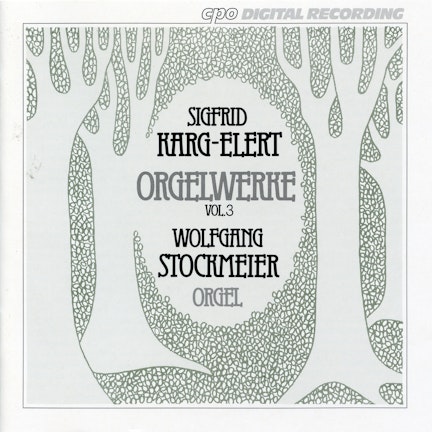
Karg-Elert: Organ Works, Vol. 3
Rorem: A Quaker Reader
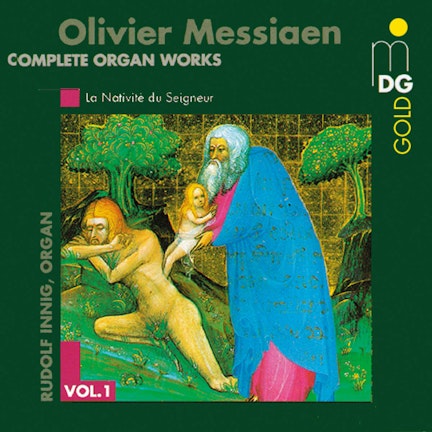
Messiaen: Complete Organ Works Vol. 1
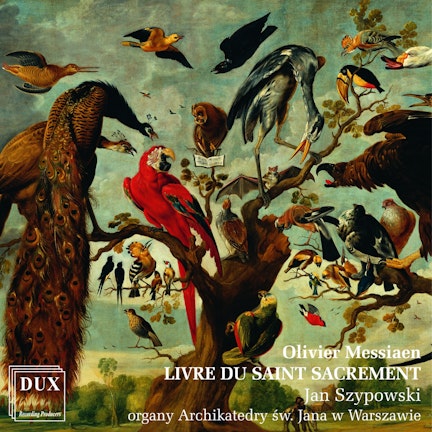
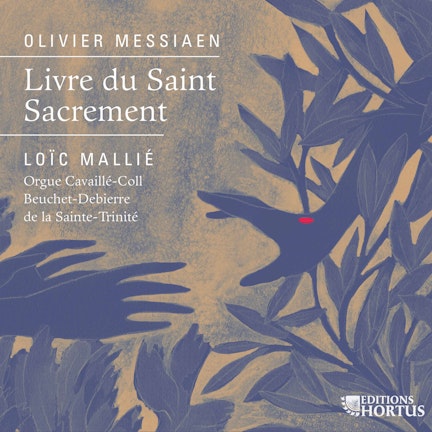
Messiaen: Livre du Saint Sacrement
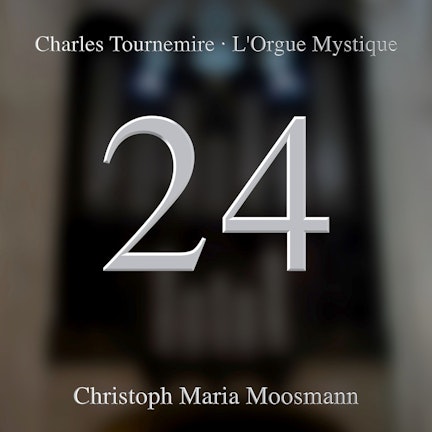
L'orgue Mystique, Opp. 55-57: No. 24 Dominica Infra Octavam Ascensionis
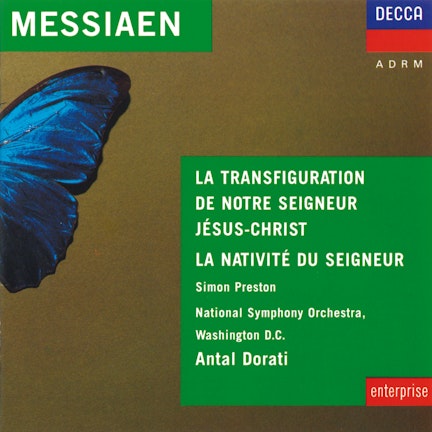
Messiaen: La Nativité du Seigneur; La Tranfiguration de Notre Seigneur Jésus Christ
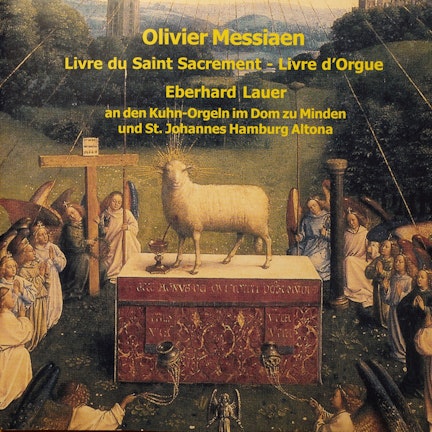
Olivier Messiaen: Livre du Saint Sacrement - Livre d'Orgue (Eberhard Lauer an den Kuhn-Orgeln im Dom zu Minden und St. Johannes Hamburg-Altona)