Music printing on a massive scale began in the 16th century, with workshops in Italy, France, and Germany producing between 500 and 2,000 copies per work.
Historical Context
Pierre Attaingnant, a bookseller-turned-printer in Paris, finalized his own musical printing process with new movable type in the 1520s, publishing anthologies of chansons.
Composer's Artistic Vision
Renaissance humanist ideas fostered an openness that blurred the lines between 'vocal music' and 'instrumental music,' allowing for unspecified instrumentation in text-based repertoires.
Interpretation
The performers on this album used Italian courtly dances as a creative basis, leveraging their simple melodic and structural elements to generate spontaneous, improvised instrumental pieces.
Historical Context
The emergence of a new middle-class public, enthusiastic about polyphony and consuming printed music for recreation, was crucial for the commercial success of music printing in the 16th century.
Compositional Technique
The concept of tablature, a notational system that reduced a work's complete range of voices, facilitated music dissemination and lowered access costs by reducing the number of pages needed for publication.
You might also enjoy...
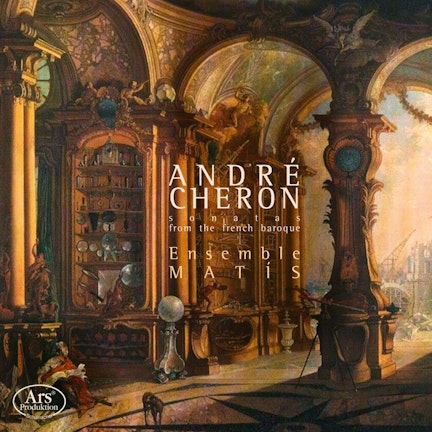
Cheron: Sonatas, Op. 2
Looking Bach - Baroque and Before
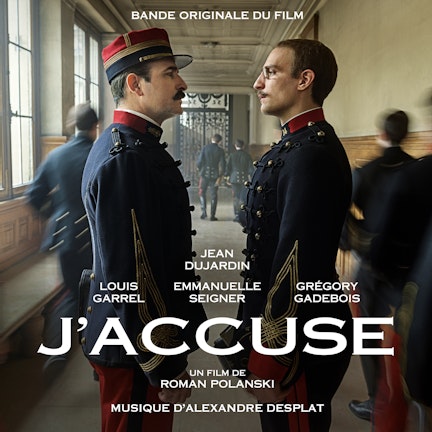
J'accuse (Bande originale du film)
Story
Wassermusiken
ÜberBach
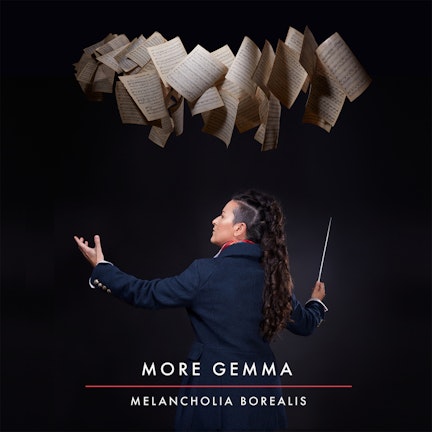
Melancholia Borealis
REFLECTIONS: Scott Joplin Reconsidered
Thank you for the Music
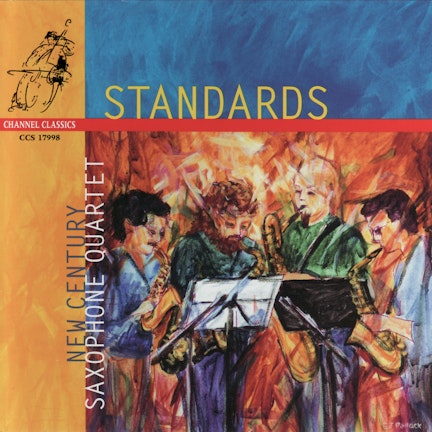
Standards
Windspirations: Improvisierte Meditationen für Orgel und Saxophon