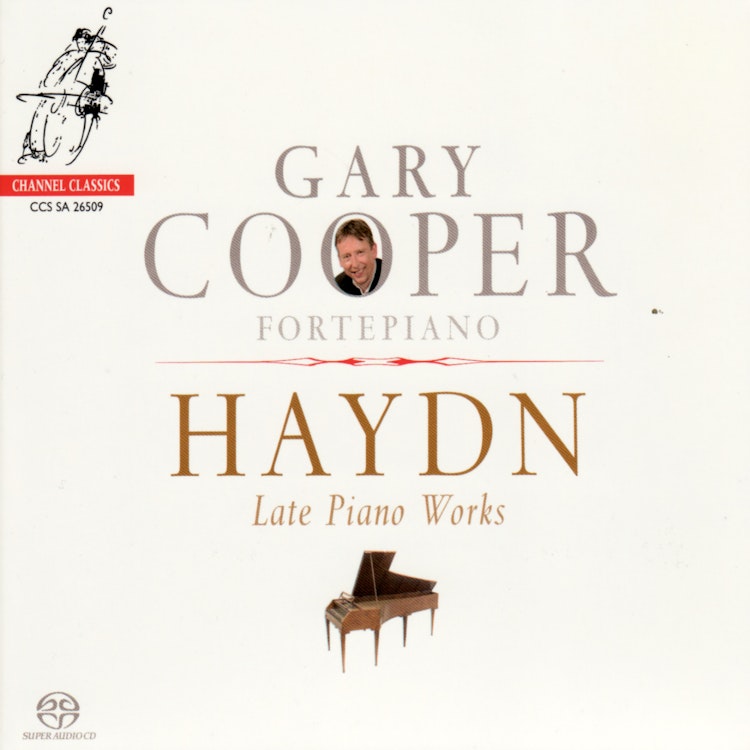
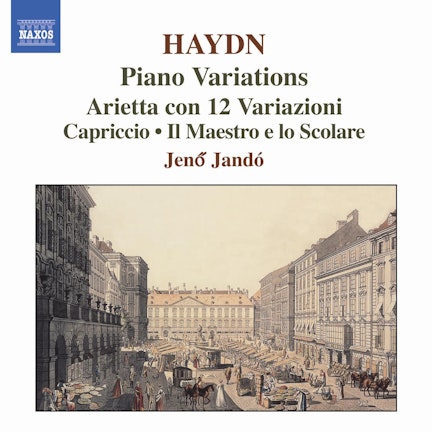
Haydn was the first composer to use silence in a magical way, as evidenced by the detailed dynamic, phrasing, and articulation markings in his Sonata in C major, Hob. xvi: 48/49.
Instruments
The album features a specific Viennese piano from around 1785, chosen for its exceptional breadth of touch and response, which the performer believes is ideal for Haydn's late keyboard works.
Historical Context
Haydn's last three piano sonatas, including the Sonata in E-flat major, Hob. xvi: 52, were dedicated to the concert pianist Thérèse Jansen, in contrast to earlier sonatas dedicated to amateur player Marianne von Genziger.
Composition History
Haydn's Variations in F minor, Hob. xvii: 6, include a famous, heart-rending coda sequence added at the last minute after he received news of his close friend Marianne von Genziger's death.
Recording & Production
This recording was inspired by the perfect match between the instrument and Haydn's late keyboard music, using a Viennese piano from around 1785.
Performer Biography
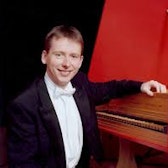
Gary Cooper, the performer on this album, is recognized as a leading ambassador of the harpsichord and fortepiano, with a diverse repertoire spanning from Elizabethan Virginalists to Bach, Mozart, and Beethoven.
Interpretation
For this recording, a late 18th-century tuning system was used to recreate the sound world Haydn would have known, making certain key changes, like E major following E-flat major, more poignant.
You might also enjoy...
Haydn: Piano Sonatas, Vol. 8
Haydn, F.J.: Keyboard Sonatas - Nos. 47, 53, 62
Mozart: Keyboard Music Vol. 1
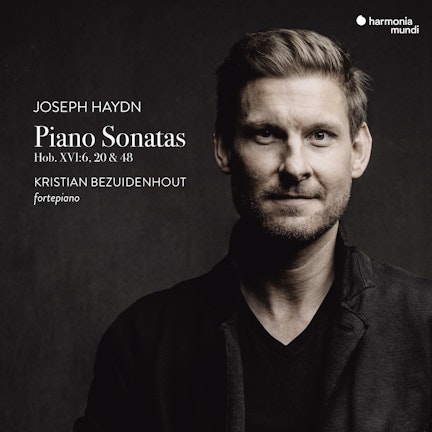
Haydn: Piano Sonatas
Mozart: Klavierwerke
Haydn: Sonata in F Major - Mozart: Nine Variations on a Menuett by Duport, Fantasia in C Minor & Sonata in C Minor
Haydn & Mozart: Piano Works (Live in Jouques & Zug)
Mozart: Works for Piano
Mozart, W.A.: Piano Sonatas "Alla turca"; "Sonata facile"; Fantasie & Sonata in C minor