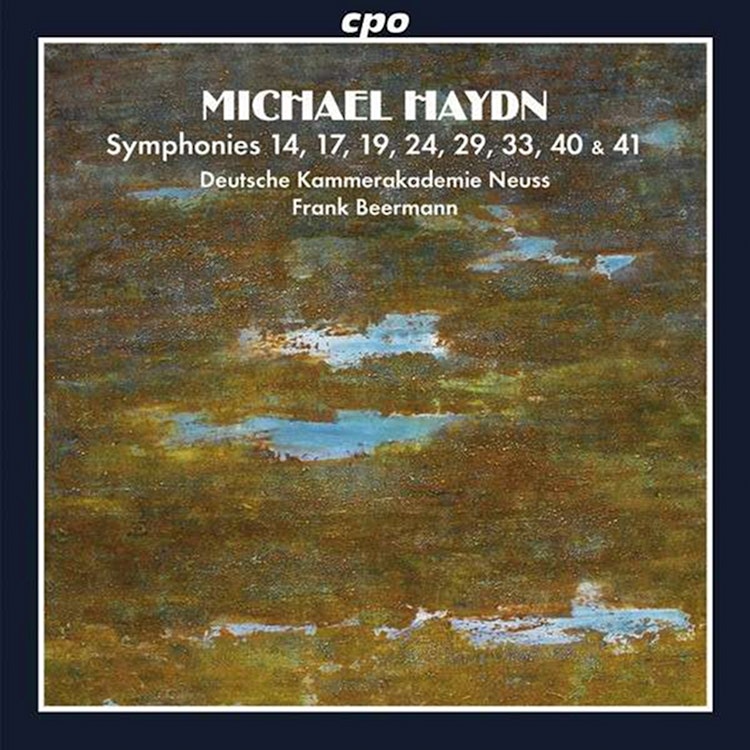
Johann Michael Haydn, brother of the famous Joseph Haydn, was born in Rohrau, Lower Austria, in 1737 and became an archiepiscopal music director in Groẞwardein (today Oradea, Romania) in 1760.
Composer's Artistic Vision
According to a biographical sketch by his friends, Michael Haydn believed the quality of a composition was best judged in performance, not solely by its theoretical foundations.
Composer's Artistic Vision
Michael Haydn's symphonies are known for their careful orchestration, where wind instruments are not just used to reinforce harmonies but also participate in thematic development as soloists.
Historical Context
The social life of the 18th century, as reflected in Michael Haydn's symphonies and other works, was as deeply influenced by music as modern society is today.
Composer Biography
Michael Haydn succeeded Wolfgang Amadeus Mozart as court and cathedral organist in Salzburg in 1782 and also took over piano instruction at the Salzburg Chapel House.
Composer's Artistic Vision
Mozart frequently studied Michael Haydn's works, copying many of them and using them as models, leading to such stylistic closeness that some of Haydn's compositions were long attributed to Mozart.
Performer Biography
The German Chamber Academy of Neuss am Rhein, the ensemble on this recording, has been active for over thirty years and is known for its innovative programming and commitment to exploring original sound worlds.
You might also enjoy...
Mozart: Symphonies Nos 25, 26 & 29
Haydn: 29 Named Symphonies
Gossec: Symphonies, Op. 4 Nos. 1-6
Haydn, F.J.: Symphonies, Vol. 3 - Nos. 40-54
Haydn: The "Paris" Symphonies
Haydn, F.J.: Symphonies, Vol. 6 - Nos. 82-87
Mozart: Complete Symphonies
Mozart, W.A.: Complete Symphonies
Mozart, W.A.: Symphonies, Vol. 7 - Nos. 22-25, 27
Haydn: Symphonies 100, 102, 103. Mozart: Symphonies 25 & 38; Eine kleine Nachtmusik