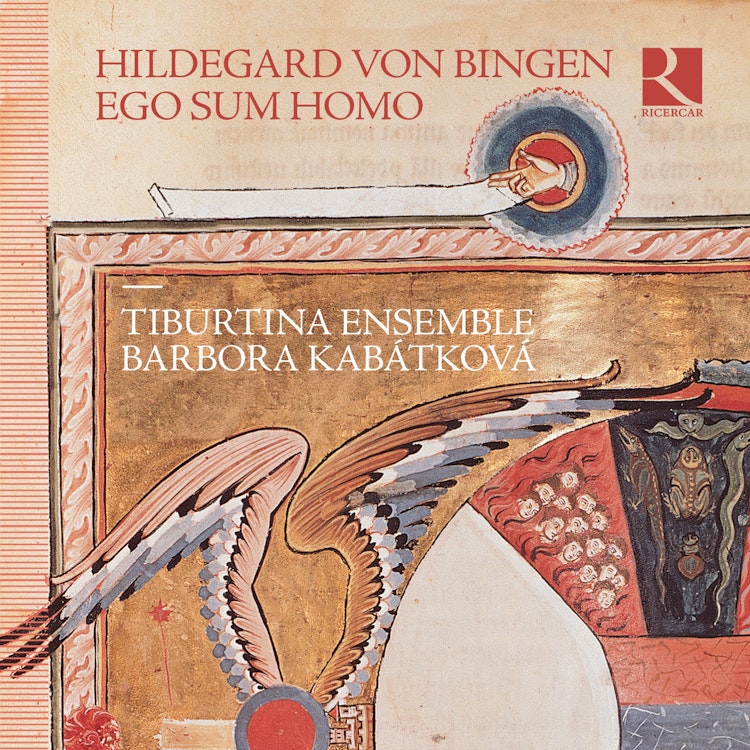
Hildegard von Bingen's sacred music, comprising 77 pieces and the liturgical drama Ordo Virtutum, features a unique compositional approach inspired by Gregorian chant.
Composer Biography
Hildegard von Bingen (1098-1179) was a magistra, later abbess, mystic, composer, writer, and possibly a healer, whose life is surrounded by many myths.
Historical Context
The 12th century was a period of significant change, marked by religious and institutional revolt, including a boom in monastic life and the founding of new reformed orders like the Cistercians.
Composer's Artistic Vision
Hildegard von Bingen used her mystical visions, which began in 1141, to justify her ambitions and interpret scripture, as divine inspiration could not be denied.
Interpretation
The Tiburtina Ensemble chose an improvised accompaniment for Hildegard von Bingen's monophonic vocals using 'Old-Testament' plucked string instruments like the harp and dulce melos (a zither).
Instruments
The recording features a Gothic harp made by Franz Reschenhofer in 2008, a Dulce melos (a type of zither) by Bernd Maier from 2003, and a Romanesque harp 'Cythara Anglica' by Rainer M. Thurau.
You might also enjoy...
A Lammas Ladymass - 13th and 14th Century English Chant and Polyphony
On Yoolis Night - Medieval Carols & Motets
Words Of The Angel
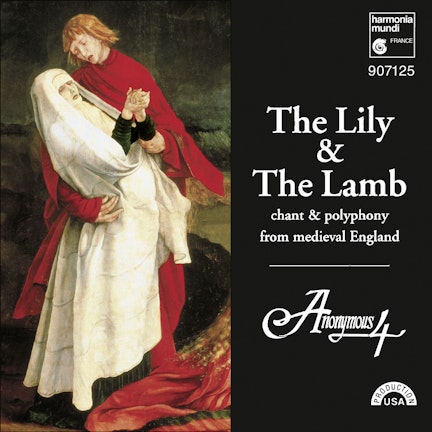
The Lily & The Lamb - Chant & Polyphony from Medieval England
Stella Maris
Miracles of Compostela: Medieval Chant & Polyphony for St. James from the Codex Calixtinus
Siiville (On the Wing)
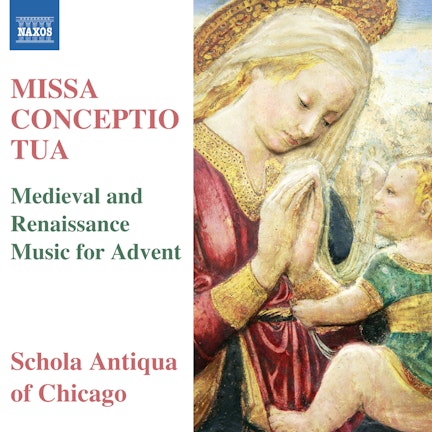
Missa Conceptio Tua: Medieval & Renaissance Music for Advent
Gregorian Requiem: Chants of the Requieum Mass
Dunstable: Quam Pulchra Es / Veni Sancte Spiritus / Mass Movements