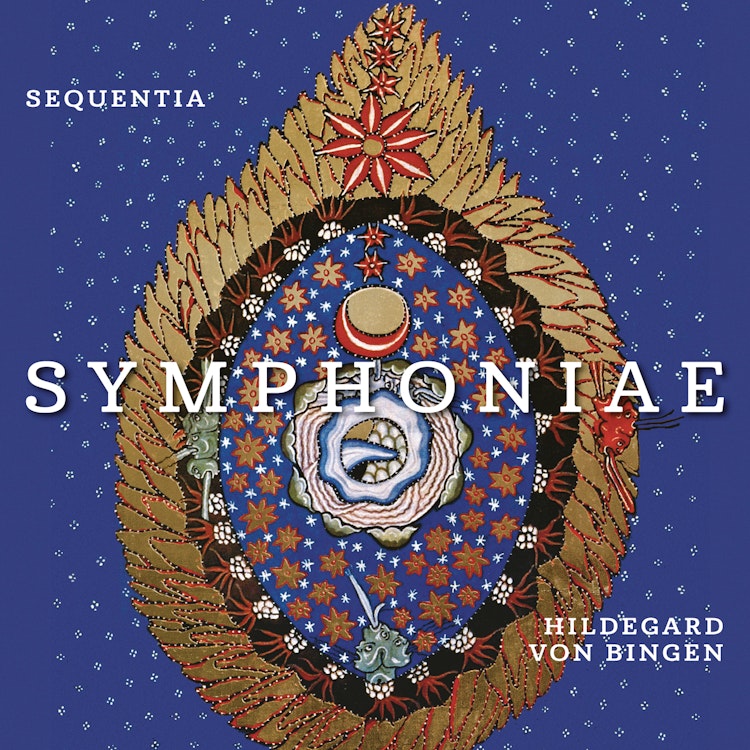
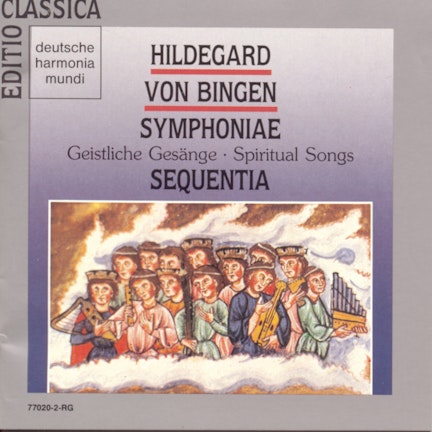
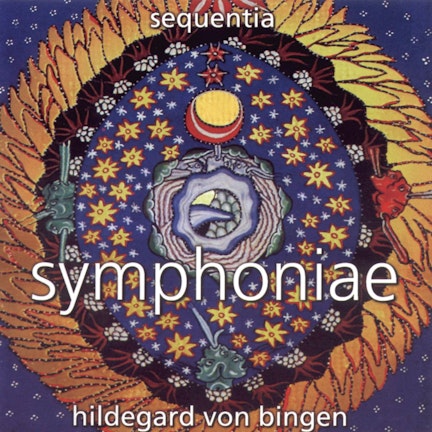
Hildegard von Bingen: Symphoniae - Geistliche Gesänge
7/16/2021, 14 Tracks, 1:01:28
Featuring
Barbara Thornton
Margriet Tindemans
Sequentia
Hildegard of Bingen
Did you know?
1/7
Composer Biography
Hildegard von Bingen, a visionary abbess, created musical compositions that are considered among the most astonishing and unique from 12th-century Benedictine monasticism.
Recording & Production
Sequentia's complete recordings of Hildegard von Bingen's musical works span 8 releases on the DHM label, totaling almost 12 hours of music, including all 77 symphoniae and her music drama Ordo Virtutum.
Cultural Impact
One of Sequentia's Hildegard von Bingen albums, Canticles of Ecstasy, received international awards including an Edison Prize and a Grammy nomination, selling over a million copies worldwide.
Composer's Artistic Vision
Hildegard von Bingen's collection of musical compositions, Symphonia armonie celestium revelationum, was titled to indicate divine inspiration and the idea that music is the highest form of human activity, mirroring heavenly sounds.
Composition History
Hildegard von Bingen began composing liturgical poetry and music in the 1140s, around the time she felt courageous enough to write down her visions.
Interpretation
Sequentia, the ensemble on this recording, was among the first vocal ensembles to revive Hildegard von Bingen's music by working directly from medieval manuscripts and respecting 12th-century performance practices.
Compositional Technique
Hildegard von Bingen's poetic language is highly unusual for medieval European lyric, characterized by daring mixed metaphors, insistent anaphora, superlatives, exclamations, and intricate constructions.
You might also enjoy...
Hildegard von Bingen: Spiritual Songs
Hildegard Von Bingen: Geistliche Gesänge
Hildegard Von Bingen: Geistliche Gesänge
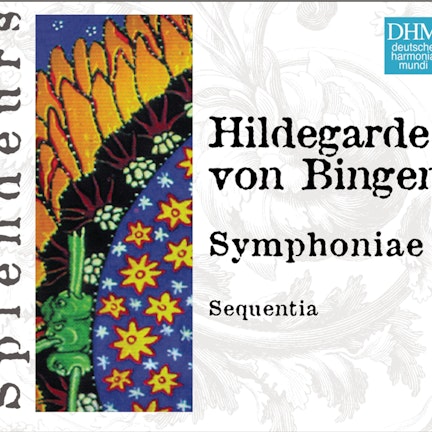
DHM Splendeurs: Bingen: Symphoniae
Hildegard von Bingen: Spiritual Songs
Songs and Instrumental Music from Medieval England
DHM Splendeurs: Bingen: Symphoniae
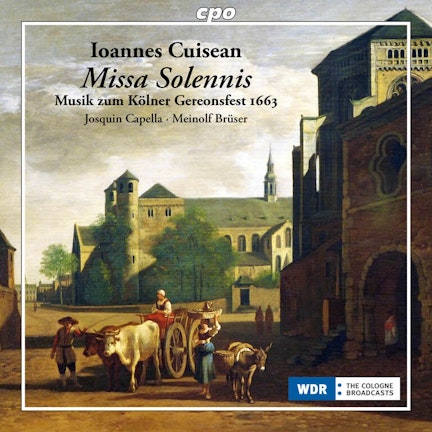
Ioannes Cuisean: Missa Solennis
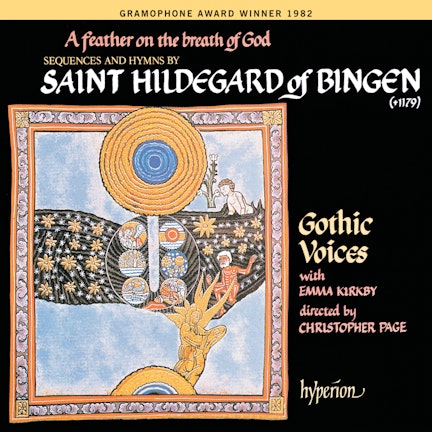
A Feather on the Breath of God: Songs of Hildegard von Bingen
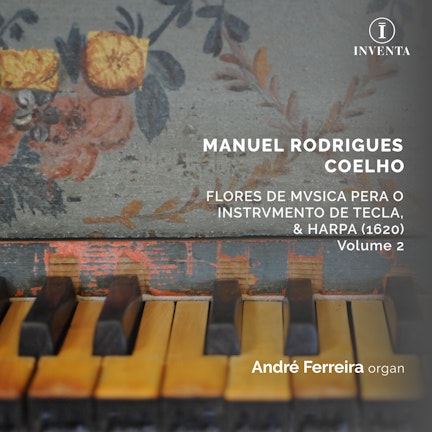
Flores de Musica pera o Instrumento de Tecla, & Harpa, Volume 2
Rigatti: Vespro della Beata Vergine
Sibylla
Voices from Ancient Abbeys: Plainchant & Polyphony