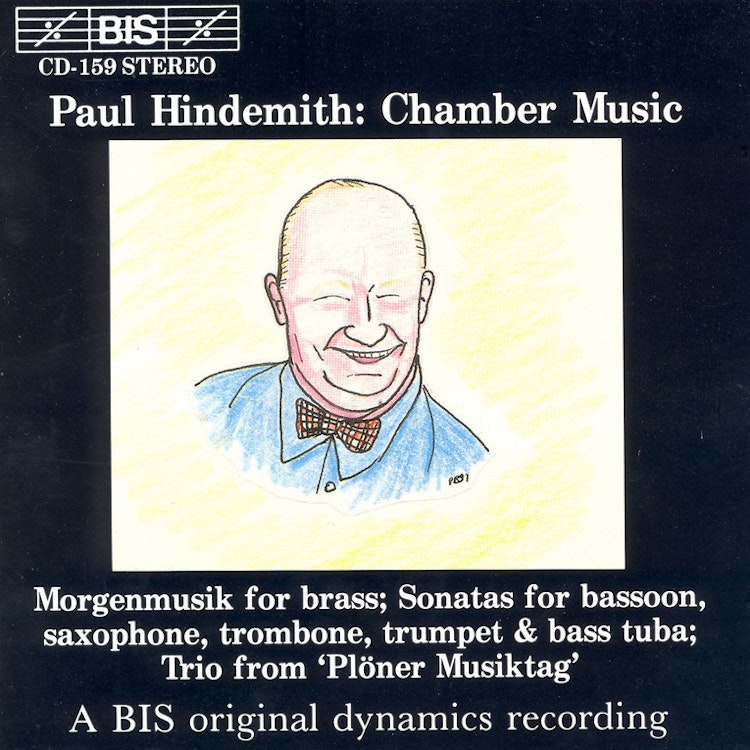
Hindemith significantly enriched the chamber music repertoire by writing sonatas for solo instruments and piano, not confining himself to the most frequently-heard instruments.
Historical Context
Hindemith's Sonata for Alto Saxophone and Piano was written at a time when the saxophone was considered a 'negro instrument' in the Third Reich, making his choice to compose for it a defiant statement.
Composer Biography
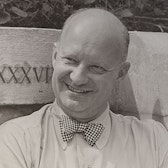
Paul Hindemith, the composer, was a highly versatile musician who could play almost every orchestral instrument and was familiar with every musical style.
Composition History
The Sonata for Bassoon and Piano was composed around 1938, the same year as the premiere of Hindemith's opera Mathis, der Maler, which was disapproved of by the Nazis.
Composer's Artistic Vision
Hindemith's range of interests was broad, from discussing musical opinions of Augustine to playing with an electric model railway.
Composition History
The collection Der Plöner Musiktag, which includes Morgenmusik and Recorder Trio, was written by Hindemith for a music festival in Plön in 1932, with sections intended to be heard at various times during the day by young musicians.
You might also enjoy...
Ramette: Cascading Into Reverie
August Reinhard: Chamber Music and Sonatines (Référence Harmonium, Vol. 5)
Born to Be Mild
Wooley, Diana Guhin: Though Love Be A Day)
Toot Toot
Fauré Rencontre
Draeseke: Chamber Works
A Cascade Of Light In A Resonant Universe
Elegy: Music for Cor anglais, Vol. 2
Kenins, T.: Cello Sonata / Concertante for Flute and Piano / Piano Quartet No. 2