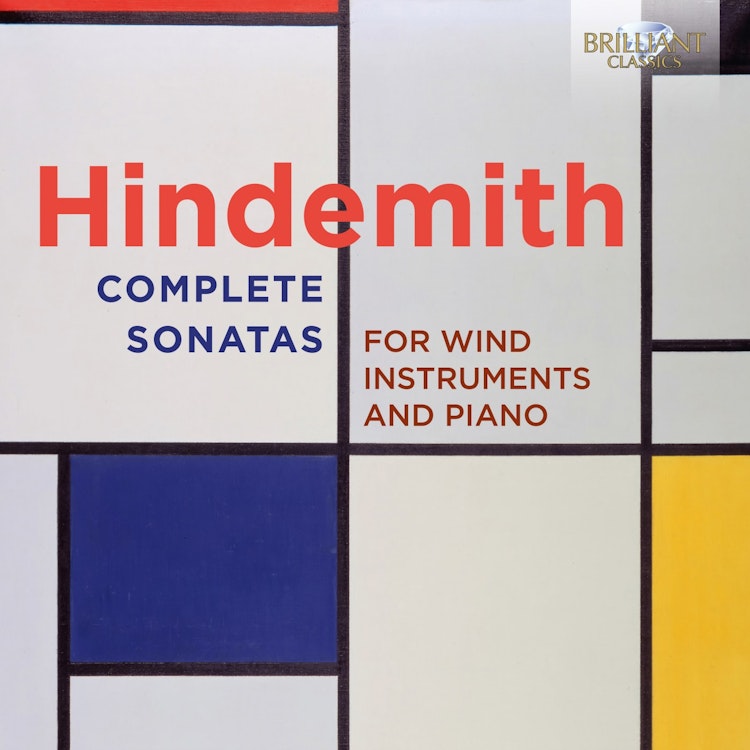
Hindemith: Complete Sonatas for Wind Instruments and Piano
4/30/2021, 36 Tracks, 2:14:25
Featuring
Claudia Giottoli
Filippo Farinelli
Simone Frondini
Luca Franceschelli
Simone Simonelli
Gabriele Falcioni
Vincenzo Pierotti
Maria Chiara Braccalenti
Gabriele Marchetti
David Brutti
Jana Theresa Hildebrandt
Gianluca Grosso
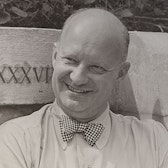
Paul Hindemith
Did you know?
1/7
Recording & Production
The album was recorded between March 2018 and December 2019 at the Umbria Music Center in Assisi, Italy, and features a Steinway & Sons D piano.
Compositional Technique
The Sonata for Alto Saxophone features a poetic dialogue between the saxophonist and pianist in the score, ending with an exhortation to seek 'silence, sense and form' amidst confusion.
Composition History
Hindemith composed a remarkable total of ten sonatas for wind instrument and piano between 1936 and 1955, exploring nearly all main orchestral wind instruments.
Compositional Technique
Hindemith's sonatas often treat the piano and wind instrument as equals, creating an intricate dialogue with shared and alternating thematic material.
Composer's Artistic Vision
Hindemith's sonatas embody his astute and original tonal idiom, his interest in balancing form, and his intention to renew the 18th and 19th-century instrumental tradition.
Compositional Technique
The finale of Hindemith's Sonata for Trumpet surprisingly consists of 'Funeral Music' (Trauermusik), which includes a harmonically ingenious reworking of a famous early Lutheran chorale.
Composer Biography
Paul Hindemith, a German composer, was a versatile musician who played viola, violin, piano, percussion, cello, bassoon, and other wind instruments.