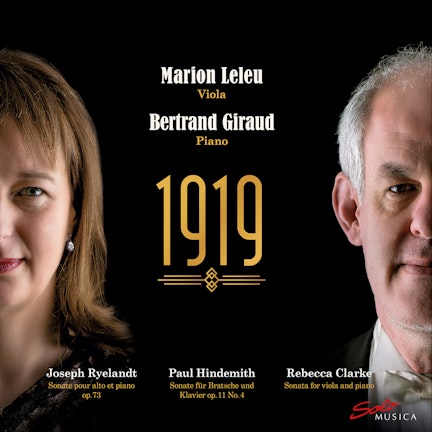
Paul Hindemith decided to abandon playing the violin and focused entirely on the viola, which is reflected in his viola sonatas.
Performer Biography
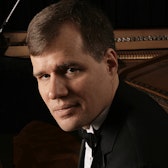
Randolph Kelly, the violist on this recording, was the Principal Violist of the Pittsburgh Symphony Orchestra for 42 years, a section that conductor André Previn called 'the best viola section of any orchestra in America.'
Composition History
Mikhail Glinka's Sonata for Viola and Piano, written in 1825, was not performed until 1932, when Russian violist Vadim Borisovsky produced a performing edition and gave its premiere.
Composition History
Hindemith's Opus 11, a set of six works including sonatas for violin, cello, and viola, was inspired by composer Max Reger, who also wrote sonatas in sets.
Composer Biography
Mikhail Glinka, known as 'The Father of Russian Music,' was initially not intended for a music career and worked in the Transport Ministry before pursuing his musical ambitions.
Composer Biography
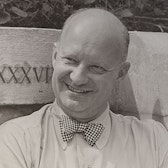
Paul Hindemith, a German composer, was drafted into the German army in late 1917 but was spared the worst of the war by a musical colonel who engaged him as a drummer and violinist.
Instruments
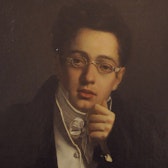
Franz Schubert's 'Arpeggione' Sonata was written for the arpeggione, a hybrid guitar-cello instrument invented in 1823, which has since disappeared.