Holst composed the First Choral Symphony after his unsuccessful opera The Perfect Fool, taking a year off from his teaching commitments to rework the symphony at leisure.
Composer Biography
Gustav Holst, the composer, developed his unique musical language after being influenced by Mendelssohn, Grieg, Wagner, and the idealistic philosophies of Walt Whitman and William Morris.
Recording & Production
This recording of the First Choral Symphony was completed after an initial attempt in 2008 was aborted due to the sudden death of conductor Richard Hickox.
Compositional Technique
The Mystic Trumpeter shows early signs of Holst's later style, including bitonality (two different keys used simultaneously) in the fanfare figures at the beginning of the work.
Composer Biography
Holst, the composer, became interested in Hindu literature and philosophy, taking Sanskrit lessons and adapting Sanskrit texts for his musical settings in the early 1900s.
Composer's Artistic Vision
Holst, the composer, stated that he considered the First Choral Symphony to be the best work he had written.
Composition History
The Mystic Trumpeter, composed in 1904 and revised in 1912, received only two performances during Holst's lifetime and was not revived until 1980.
You might also enjoy...
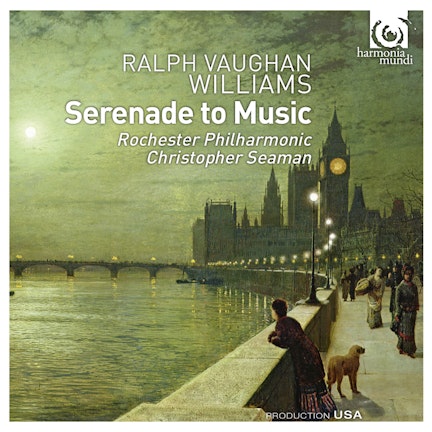
Vaughan Williams: Serenade to Music
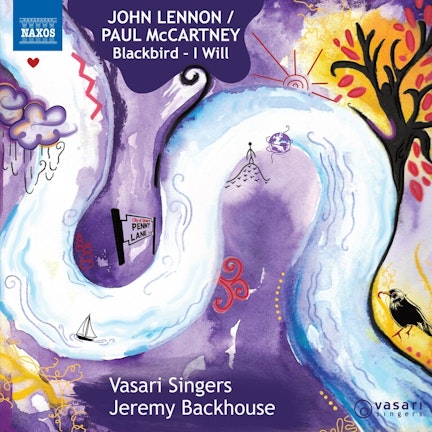
Lennon-McCartney: Blackbird - I Will
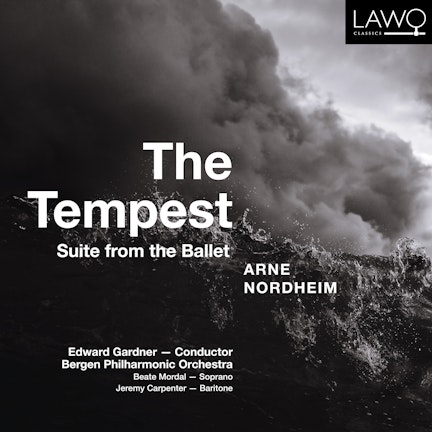
Arne Nordheim: The Tempest
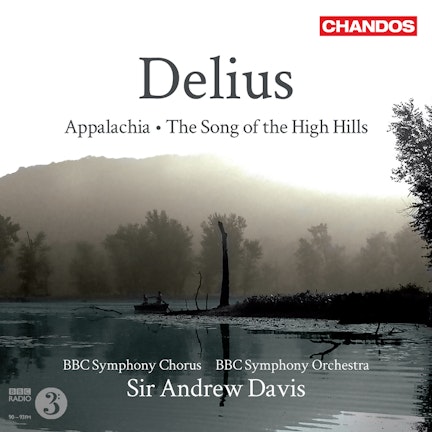
Delius: Appalachia / The Song of the High Hills
Bantock: Omar Khayyam
Parry: Songs of Farewell
Holst: Seven Part-Songs, A Choral Fantasia, A Dirge for Two Veterans & Ode to Death
Holst: Choral Symphony & Choral Fantasia
Delius: Appalachia - Sea Drift
Apocalypse: Choral Works by David Lancaster
Bax: Orchestral Works, Vol. 8
Britten: Friday Afternoons; Holiday Diary; The Ballad of Little Musgrave and Lady Barnard; The Golden Vanity