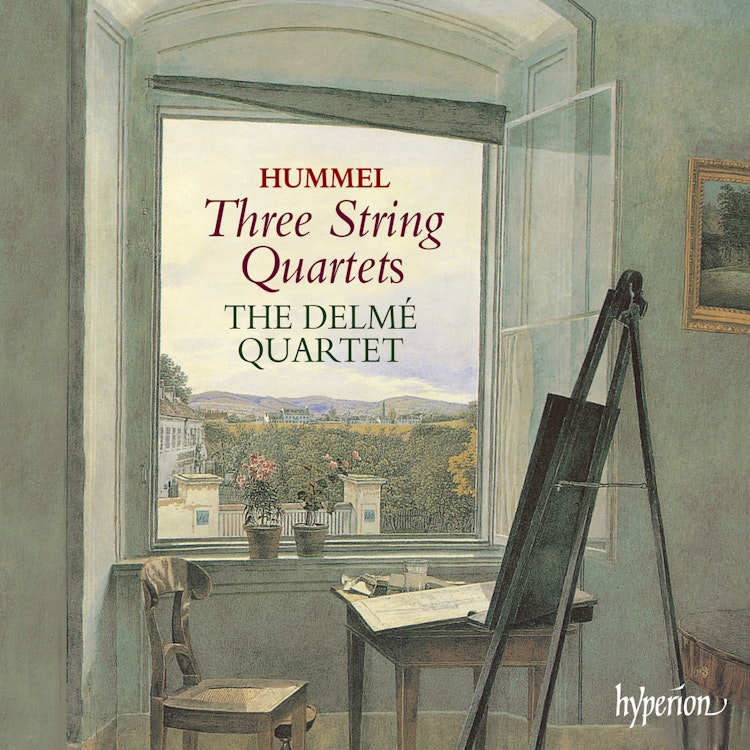
As an adult, Hummel was more successful than Mozart in securing well-paid positions, including succeeding Haydn as director of music in the Esterházy household in 1804.
Compositional Technique
Hummel's quartets combine learned counterpoint with a popular style derived from Austrian folk music, as seen in the waltz-like Allemande of Op 30 No 3.
Composer Biography
Johann Nepomuk Hummel was a child prodigy, reading music at four, playing violin at five, and keyboard at six, later studying with Mozart.
Critical Reception
Despite not returning to the quartet medium after Opus 30, Hummel produced three remarkable works that deserve a place in the modern repertoire, challenging the perception of him as a composer of 'lightweight novelties'.
Historical Context
Hummel and Beethoven were the main rivals in Vienna, representing the debate between conservative and progressive composers in the early 19th century.
Compositional Technique
The Menuetto of Hummel's Op 30 No 2 uses pizzicato and coll'arco to evoke the sound of a village band, and adds an extra repeat of the trio.
Composition History
Hummel's three Opus 30 String Quartets, his only contributions to the medium, were composed around 1804, following Beethoven's revolutionary Opus 18 Quartets.
You might also enjoy...
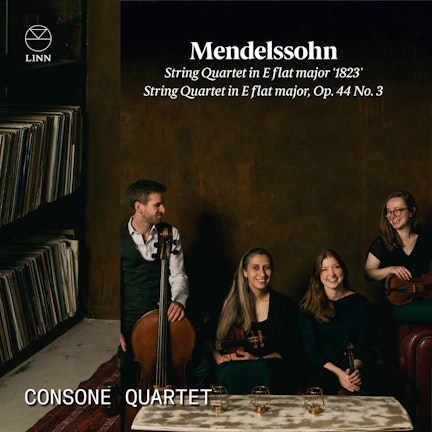
Mendelssohn: String Quartet in E Flat Major '1823' & String Quartet in E Flat Major, Op. 44 No. 3
Mendelssohn: String Quartets Vol. 2
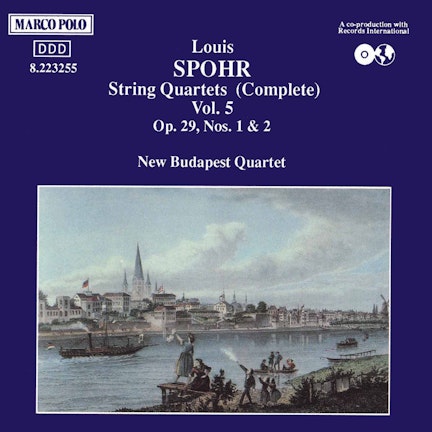
Spohr: String Quartets Vol. 5
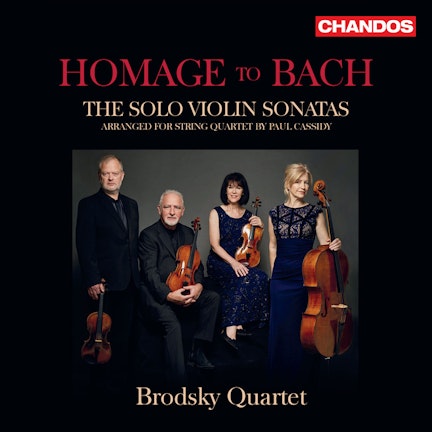
Homage to Bach
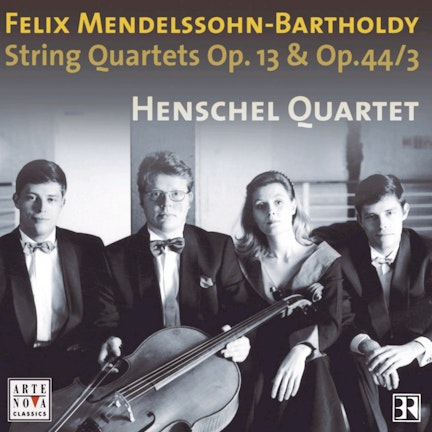
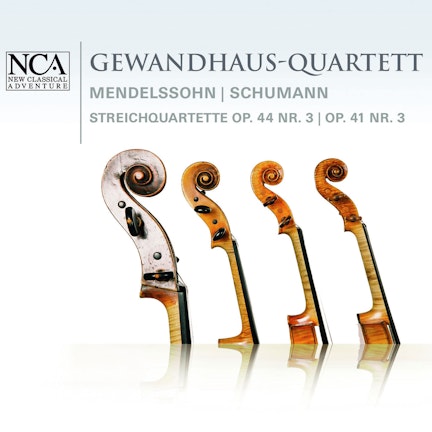
Mendelssohn: Streichquartett Es-Dur Op. 44 Nr. 3 - Schumann: Streichquartett A-Dur Op. 41 Nr. 3.
Schumann: String Quartets Op. 41
Krommer, F.: String Quartets, Op. 18
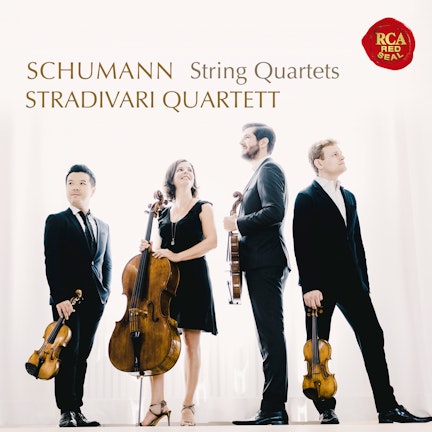
Schumann: The String Quartets
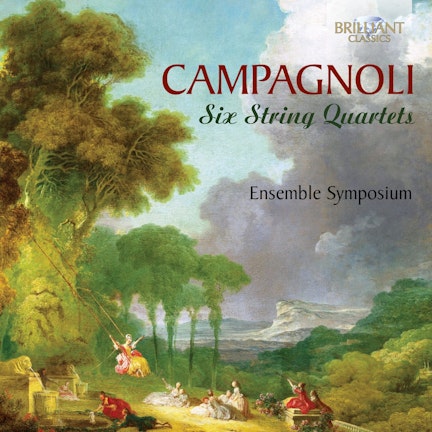
Campagnoli: 6 String Quartets
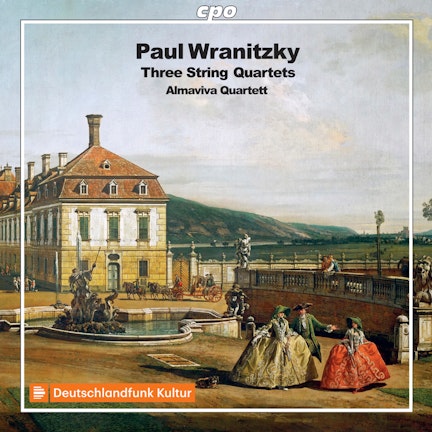
Paul Wranitzky: Three String Quartets
R. Schumann: String Quartet No. 3, Op. 41
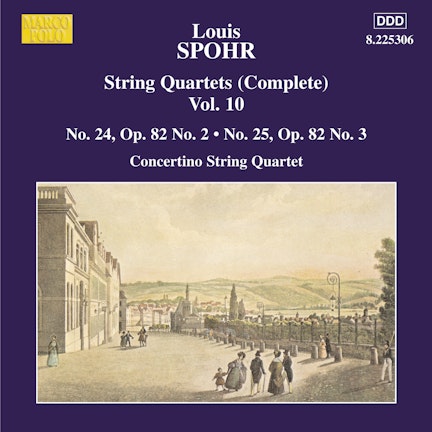
Spohr: String Quartets Vol. 10
Mendelssohn: Lieder ohne Worte VIII, Op. 102: III. Presto, MWV U195 "Tarantelle" (Arr. Sitt for String Quartet) (Musical Moments)
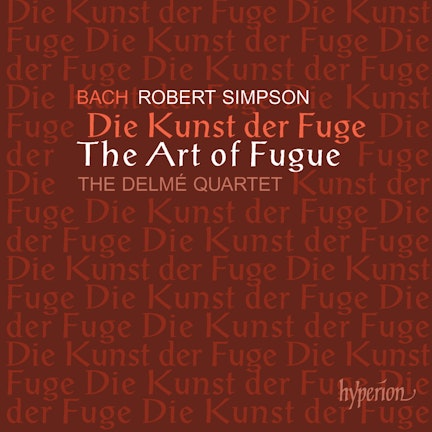
Bach: The Art of Fugue, Arr. for String Quartet by Robert Simpson