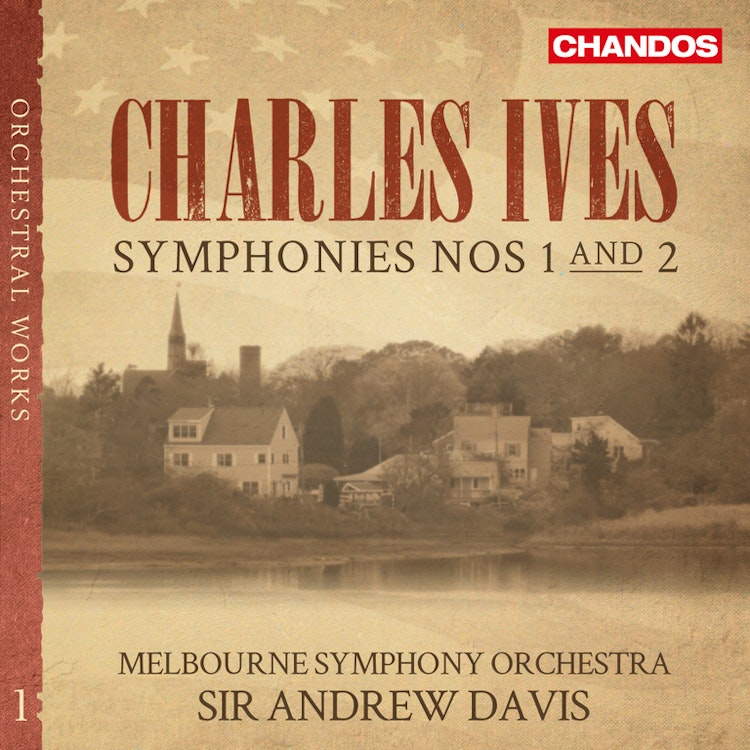
Ives's Second Symphony liberally alludes to American folksongs, marches, and hymns, aiming to capture the eclectic musical ambience he experienced in rural Connecticut as a youth.
Composer Biography
Charles Ives, known for his avant-garde compositions, initially pursued a career as a professional insurance salesman, composing music largely for his own enjoyment.
Notable Performances
The premiere of Ives's Second Symphony in 1951 by Leonard Bernstein and the New York Philharmonic was a momentous event in the overdue discovery of Ives's genius.
Compositional Technique
The energetic finale of Ives's Second Symphony concludes with a crushing eleven-note dissonance, a gesture inspired by how dance bands would end their sets.
Composer Biography
Ives's musical interests were nurtured by his father, George Ives, a military bandleader who was the youngest incumbent in the Union Army during the US Civil War.
Composition History
Ives's major pieces, including his first three symphonies, were often premiered in random order, with the Third Symphony being performed before the Second and First.
Performer Biography
Sir Andrew Davis, the conductor on this album, has served as Music Director and Principal Conductor of Lyric Opera of Chicago since 2000 and became Chief Conductor of the Melbourne Symphony Orchestra in 2013.