Bach's Cantata BWV4, "Christ lag in Todesbanden," is his earliest known cantata and may have been an audition piece for his first tenured post as organist at the Blasiuskirche in Muhlhausen.
Interpretation
The project "Bach in Context" uses the church organ as both a continuo and solo instrument, reflecting the practice in Bach's time to begin and end liturgical services with organ music.
Composer Biography
Bach's Cantata BWV106, "Actus tragicus," a spiritually wise and consoling work about the end of life, was written by the composer in his early 20s.
Album & Artwork
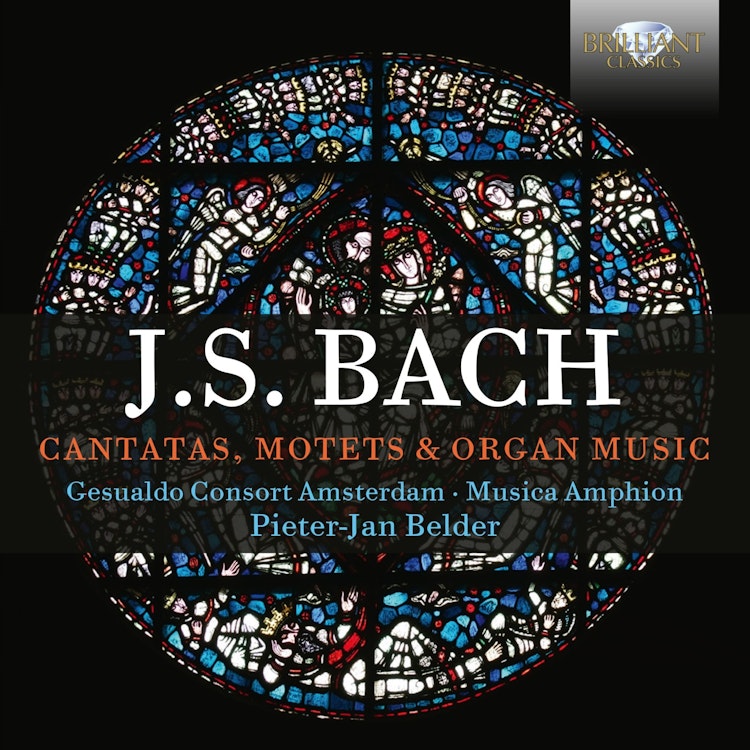
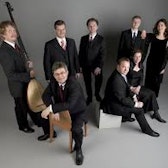
This collection is part of "Bach in Context," a project by Musica Amphion and Gesualdo Consort Amsterdam that explores Bach's sacred music within its liturgical and theological themes.
Composer's Artistic Vision
Bach's duet cantatas, such as BWV49 and BWV140, often feature erotic writing for voices, reflecting Lutheran theology that emphasizes Christ as a bridegroom to the soul or the Church.
Performer Biography
Pieter-Jan Belder, the general musical director for this album, has recorded over 150 albums and won the Leipzig Bach harpsichord competition in 2000.
Compositional Technique
Bach's Cantata BWV49, "Ich geh und suche mit Verlangen," is a duet cantata that features a cantus firmus sung by the soprano while the bass sings an aria derived from the melody.
You might also enjoy...
Bach et le temps liturgique: Arias pour soprano et chorals pour orgue
Peace Be with You: Works by J.S. Bach
Bach: Cantatas Nos. 106 "Actus tragicus" & 182
J.S. Bach: Cantatas 34, 50, 147
Bach: Come, Sweet Cross (Easter Music I - Passion)
In Dulci Jubilo: Music for the Christmas Season by Buxtehude & Friends