The Bach cello suites can be analyzed through the lens of rhetoric, specifically using the concepts of dispositio (overall arrangement), elocutio (choice of words/figures), and actio (delivery).
Composer Biography
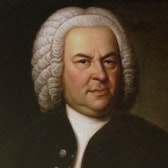
Before his active composing career, Johann Sebastian Bach studied Lutheran theology, logic, rhetoric, and Latin in Lüneburg in the early 18th century.
Album & Artwork
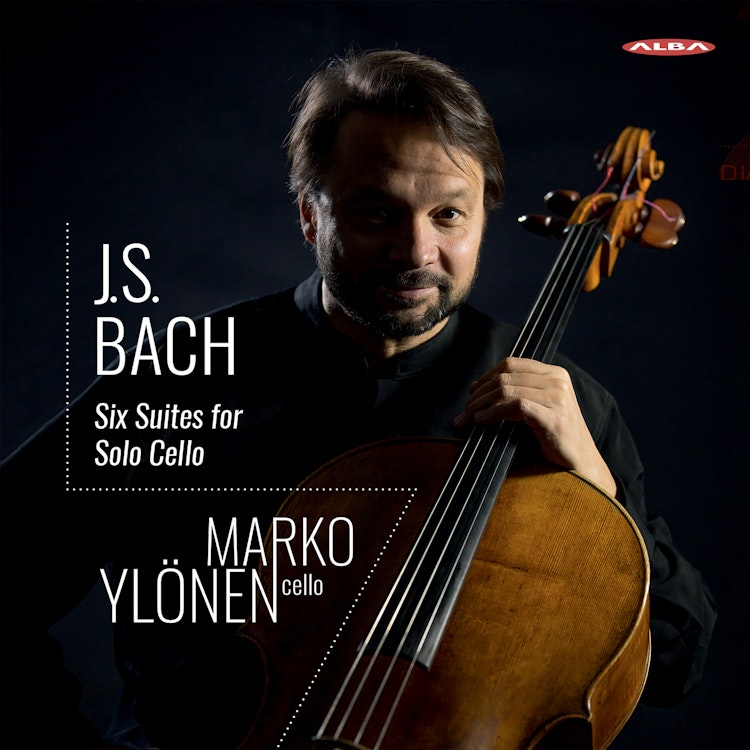
On this recording, Marko Ylönen plays the suites out of numerical order to emphasize their dialogue, creating an arc from the Passion-themed Fifth Suite to the Christmas-themed Sixth Suite.
Instruments
Marko Ylönen performs on a Bartolomeo Cristofori cello, an instrument dating from the 1720s.
Historical Context
Rhetoric, the art of using language persuasively, was a cornerstone of musical thinking in early 18th-century Germany, with figures like Johann Mattheson using terms like 'Klangrede' (musical oration).
Compositional Technique
Most dance movements in Bach's cello suites follow a four-phase rhetorical structure: narratio (stating facts), confirmatio (defending the statement), confutatio (disproving counterclaims), and conclusio (summary).
Interpretation
Cellist Marko Ylönen believes each Bach cello suite has a unique character based on its key and forms an unbroken overall arch, with movements offering different perspectives on a dominant affect.
You might also enjoy...
Bach, J.S.: Cello Suites Nos. 1-6
J.S. Bach: Complete Cello Suites (The 2023 Sessions)
J.S. Bach: The Cello Suites, Vol. 1
Bach: Les suites pour violoncelle 2, 4 & 5
J.S. Bach: Cello Suites Nos. 1-6
J.S. Bach: The Cello Suites According to Anna Magdalena
J.S. Bach: The 6 Cello Suites
Exclusive pre-release: Bach - Cello Suites
J.S. Bach: Cello Suites 2, 3 & 6
Bach: Suites for Unaccompanied Cello (The Mercury Masters, Vol. 7)
Bach, J.S.: Cello Suites Nos. 1-6, BWV 1007-1012 / Flute Partita (Arr. for Cello Piccolo)