Johann Sebastian Bach composed the Six Suites for Solo Cello around 1720 while serving as Kapellmeister (chief musician) at the court of Prince Leopold in Cöthen, Germany.
Compositional Technique
The cello suites all follow a consistent pattern: an elaborate prelude, followed by an allemande, a courante, a sarabande, two contrasting dances (minuets, bourrées, or gavottes), and finally a gigue.
Composer Biography
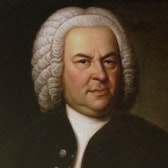
Much of Bach's chamber music, including the Cello Suites, was written during his time in Cöthen, where he had no duties to compose church music.
Performer Biography
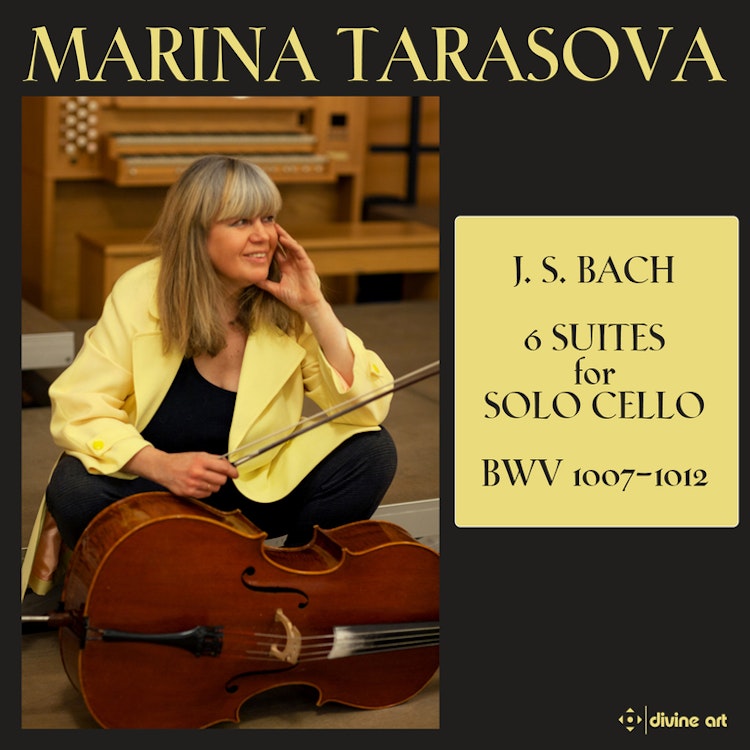
Marina Tarasova, the cellist on this recording, is an acclaimed Russian cellist and winner of international competitions in Prague, Florence, and Paris, and was awarded the laureate of the Tchaikovsky competition.
Interpretation
Marina Tarasova believes the suites are often interpreted in an overly academic and formal way, and her approach aims to be full of vitality and spirit.
Instruments
The monumental sixth suite is believed to have been written for the violoncello piccolo, a five-stringed cello, which has a higher top string than a conventional four-stringed cello.
Compositional Technique
Although the cello usually plays one note at a time, Bach implies harmony and counterpoint in these suites through ingenious melodies and occasional chords.
You might also enjoy...
Bach: 6 Cello Suites BWV 1007-1012 - Sony Classical Masters