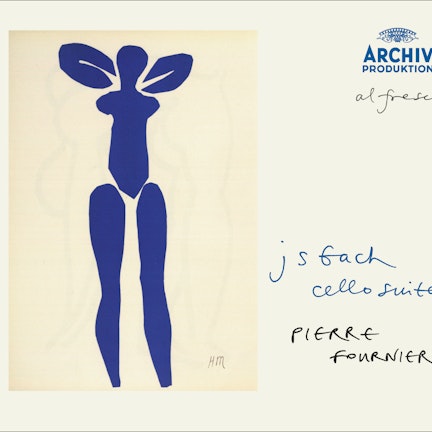
The rediscovery of Bach's Cello Suites is attributed to Pablo Casals, who polished his interpretation for years before performing and recording them, making them a staple of the concert repertoire.
Performer Biography
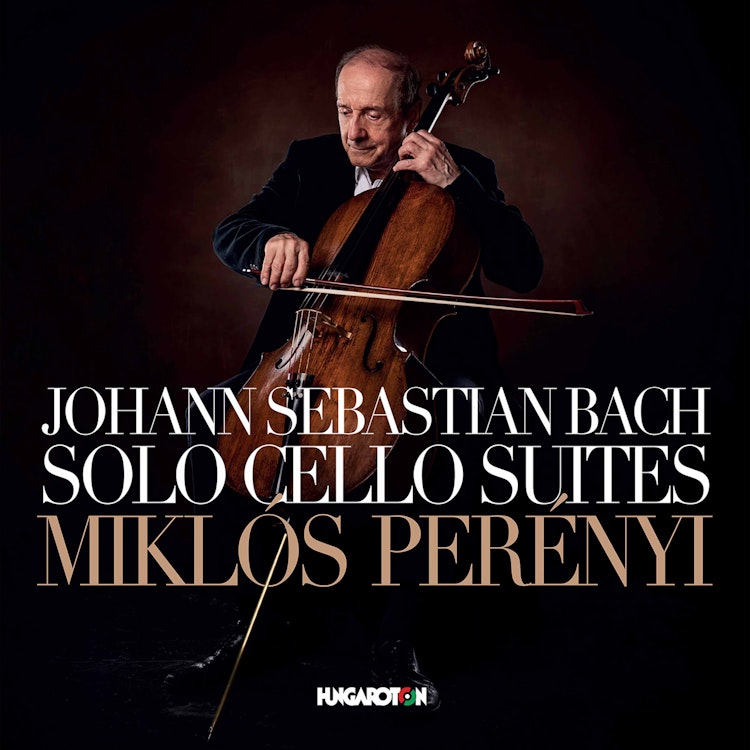
Between 1965 and 1972, Miklós Perényi regularly attended masterclasses given by the legendary Catalan cellist Pablo Casals, which he considers particularly significant for his career.
Composition History
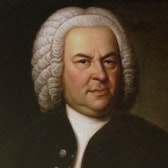
The exact date of composition for Bach's Cello Suites is unknown, but they are believed to have been written during his time in Köthen (1717-1723), where he had access to excellent cellists.
Compositional Technique
In composing the Cello Suites, Bach faced the challenge of writing music that simultaneously provided melody and accompaniment for an instrument generally suited for a single melodic line.
Composition History
The original manuscript of Bach's Cello Suites is lost, with the earliest known copy made by his wife Anna Magdalena between 1727 and 1731.
Performer Biography
Miklós Perényi, the cellist on this recording, was born in Budapest in 1948 into a musical family; his father was a pupil of Zoltán Kodály.
Performer Biography
Miklós Perényi began learning cello at age five and was admitted to the Liszt Academy's preparatory class at seven, after his father had Zoltán Kodály listen to him play.