Bach dedicated significant time to the Collegium Musicum in Leipzig, meeting weekly for two hours and performing twice a week during trade fair periods, totaling approximately 120 hours per year.
Performer Biography
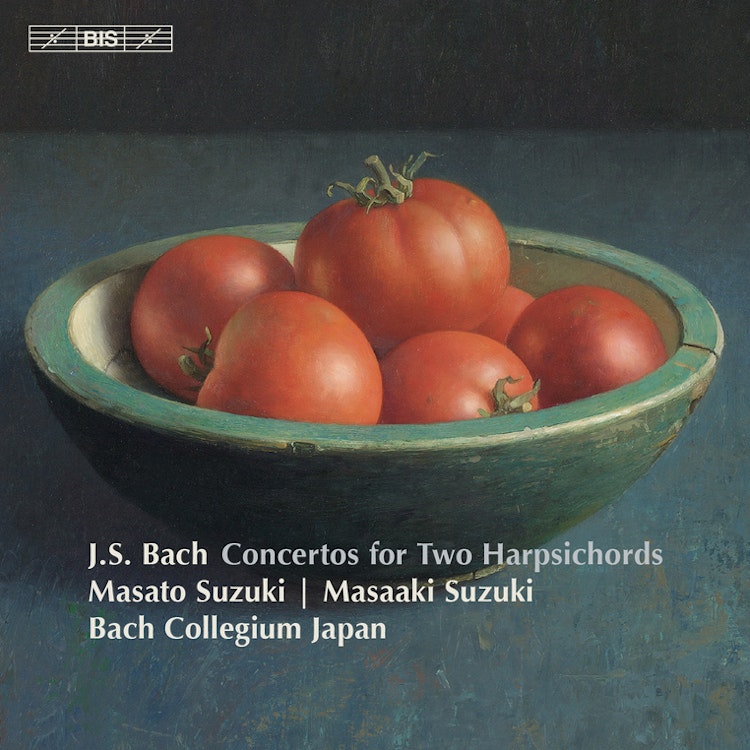
Masato Suzuki, the other harpsichordist on this album, is also active as a conductor, composer, and pianist, and has participated in the Bach Collegium Japan's Bach cantata project since 2002.
Performer Biography
Masaaki Suzuki, one of the harpsichordists on this album, is the founder and music director of the Bach Collegium Japan, an ensemble dedicated to period instrument performances of Baroque works.
Interpretation
Masato Suzuki's arrangement of Orchestral Suite No. 1 in C major for two harpsichords aims to reconstruct what Bach himself might have done, based on the hypothesis that Bach created his own four-hand version.
Historical Context
A concert announcement from June 17, 1733, mentioned a 'new Clavicymbel, such as had not been heard here before,' suggesting a demand for Bach's harpsichord concertos and his dazzling technical displays.
Composition History
J.S. Bach's concertos for two harpsichords, featured on this album, were likely composed around 1736, the year he was appointed royal composer at the Dresden court.
Compositional Technique
Bach's Concerto in C minor, BWV 1062, is an adaptation of his lost double violin concerto in D minor, BWV 1043, with thickened harpsichord textures and increased melodic activity.
You might also enjoy...
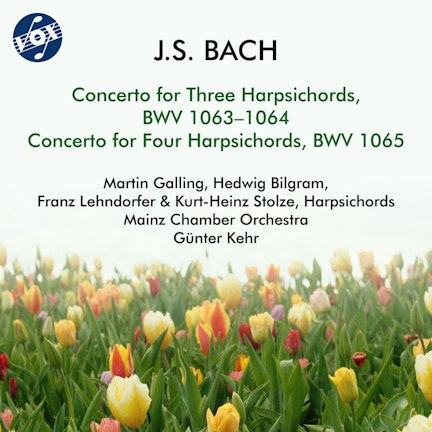
J.S. Bach: Concertos for 3 Harpsichords, BWV 1063-1064 & Concerto for 4 Harpsichords, BWV 1065
J.S. Bach: Concertos for 2 Harpsichords, BWV 1060-1062 & Concerto for 4 Harpsichords, BWV 1065
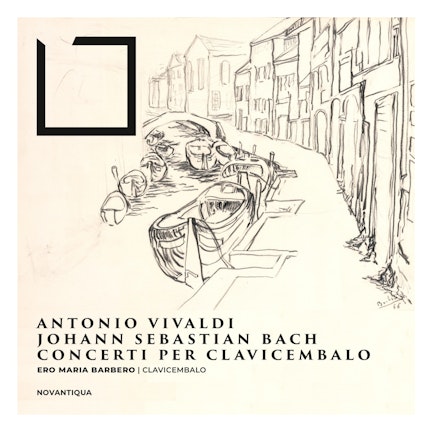
Antonio Vivaldi & Johann Sebastian Bach Concerti per Clavicembalo