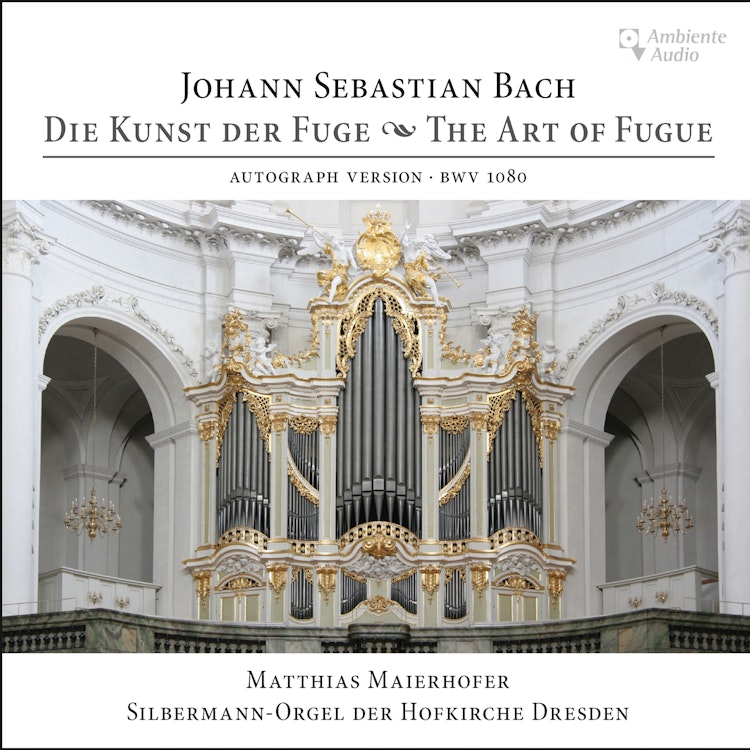
The Silbermann organ in the Hofkirche Dresden, where this recording was made, was begun by Gottfried Silbermann in 1750 and completed by his student Zacharias Hildebrandt and his son after Silbermann's death.
Compositional Technique
The early version of "The Art of Fugue" systematically increases in contrapuntal complexity, starting with simple fugues and progressing to techniques like theme inversion, varied speeds, and mirror fugues.
Instruments
Gottfried Silbermann's organs, including the one in the Hofkirche Dresden, are known for their strong principal stops, which have a wide labium and high wind pressure, creating a powerful and penetrating sound.
Composition History
J.S. Bach's son, Carl Philipp Emanuel, noted that his father died while composing the last, unfinished fugue of "The Art of Fugue," which included the name B A C H in its counter-subject.
Composition History
Recent research indicates that "The Art of Fugue" exists in two distinct versions from different periods: an earlier, completed 14-movement autograph from around 1742, and a later, expanded 16-movement version intended for publication.
Performer Biography
Matthias Maierhofer, the organist on this album, won the prestigious Pachelbel-Wettbewerb in Nuremberg in 2007 and has received awards at several other international organ competitions.
Composition History
The posthumously printed first edition of "The Art of Fugue" included an organ chorale, 'Wenn wir in höchsten Nöten sein,' added by the editors to mitigate the work's unfinished nature.
You might also enjoy...
Lagrime
Lamento
Frescobaldi: Il primo libro di capricci
Division Musick
Battaglia - Works by Biber, Schmelzer, Castello, Fux et al.
Theatre Of Early Music - Here Let My Life
Speculation on J.S. Bach
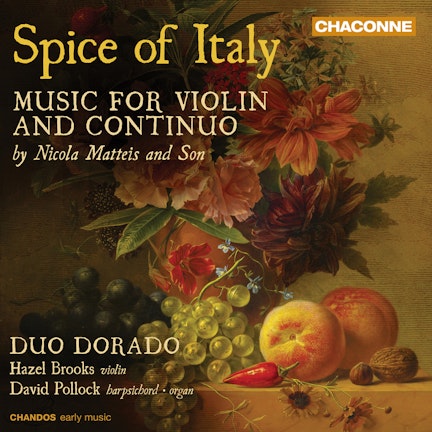
Spice of Italy
Basso Ostinato
Chameleon
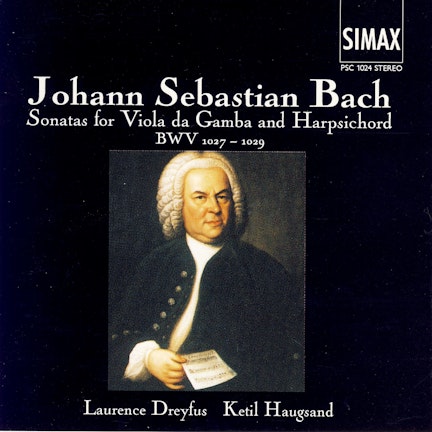
Sonatas for Viola da Gamba and Harpsicord, Bwv 1027 - 1029
J.S. Bach: A Musical Offering, BWV 1079 - Harpsichord Concerto, BWV 1059 & Trio Sonata in D Minor, BWV 527
Italophilia - Discovering the Italian Style in Handel's London