The Baroque worldview combined the admonition 'Memento mori' (remember you must die) with 'Carpe diem' (use well the day), reflecting the era's contradictory philosophies of life.
Compositional Technique
Heinrich Ignaz Franz Biber, a Kapellmeister in Salzburg, created a monumental Passacaglia for solo violin based on a melodic line of only four notes, building a universe of sounds without accompaniment.
Composer's Artistic Vision
Biber stated in his preface to Mensa Sonora that the works aimed for 'the precious jewel of concord' rather than 'wasteful extravagance' or 'empty revelry'.
Compositional Technique
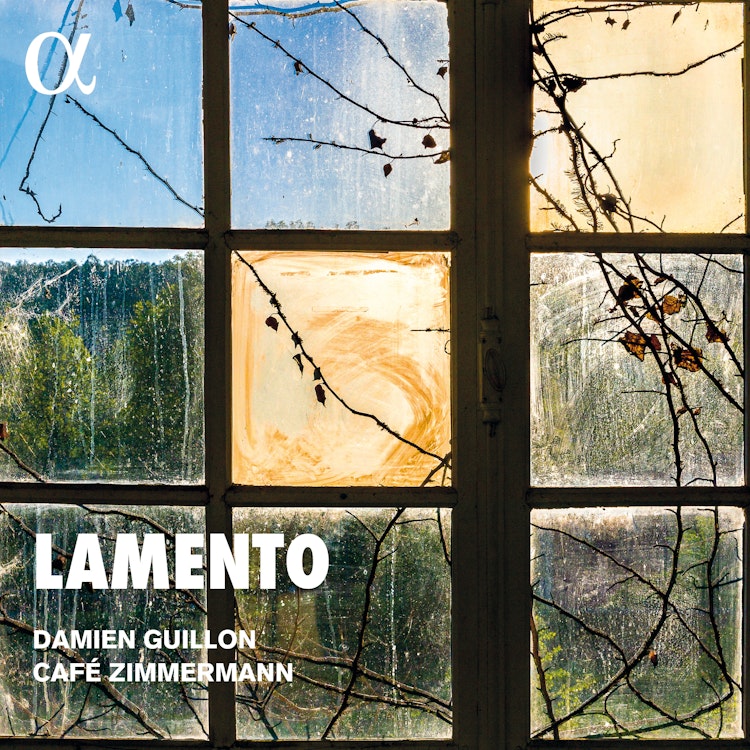
Johann Christoph Bach's Lamento, 'Ach, dass ich wassers gnug hätte', uses the archaic Phrygian mode to enhance the restrained yet restless atmosphere of the Old Testament texts.
Composer Biography
Johann Christoph Bach, an organist in Eisenach, was known within the Bach family as a 'great and expressive composer' who could write in both tuneful and powerfully full-voiced styles.
Composition History
Biber's collection of six suites for four string instruments, Mensa Sonora, was dedicated to his employer, Maximilian Gandolph von Kuenburg, Prince-Archbishop of Salzburg, likely as thanks for his appointment as vice-Kapellmeister.
Historical Context
In the 17th century, life and death were closely intertwined due to events like the Thirty Years' War, epidemics, and limited medical advancements, making human mortality a central theme in the arts.
You might also enjoy...
Abel & Bach: Chamber Music
Firenze 1616 (Alpha Collection)
Zefiro soave, Vol. 1
Bach: Sonatas, Chorales & Trios
Handel: 6 Cello Sonatas
Georg Philipp Telemann: Gulliver's Travels - Works for Strings
Vater unser. German Sacred Cantatas
Albinoni: 6 Sonatas from Trattenimenti armonici per camera, Op. 6
Mancini: 12 Recorder Sonatas
Telemann: 6 Orchestral Suites
Bach: Sonatas for Viola da gamba and Harpsichord, BWV 1027-1029, 1019