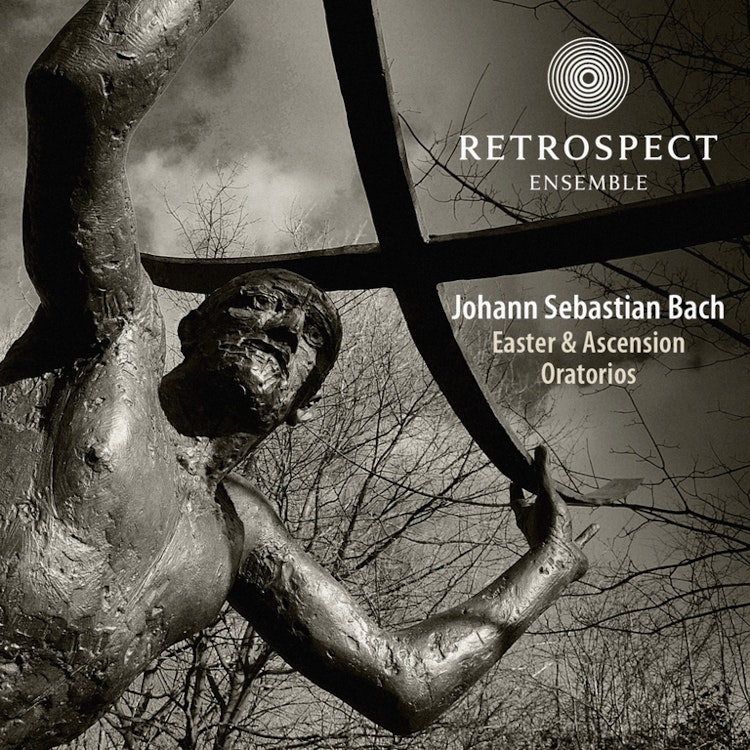
The performers on this recording called upon aspects of rhetoric to shape their interpretation, reflecting the Baroque era's comparison of persuasive speech with music.
Recording & Production
This recording of Bach's Easter and Ascension Oratorios was made in London, UK, from February 22-25, 2010, and produced by Ben Turner.
Composer's Artistic Vision
Bach's use of parody, or self-borrowing, may have been motivated by time-management issues or a desire to give greater permanence to occasional compositions.
Composition History
J.S. Bach's Easter Oratorio was his first work in the oratorio genre, likely performed on Easter Sunday, 1735.
Compositional Technique
The Easter Oratorio uses an entirely poetic text, often attributed to Picander, and is delivered by four characters: Mary Mother of James, Mary Magdalene, Peter, and John.
Compositional Technique
A common feature of Bach's three oratorios, including the Easter and Ascension Oratorios, is that they are parodies of earlier works, adapting music Bach used previously in other contexts.
Composer's Artistic Vision
Bach's compositional language expresses both secular and sacred music with ease, demonstrating his ingenuity and inventiveness.
You might also enjoy...
J.S. Bach: Easter Oratorio; Ascension Oratorio
Telemann: Der Messias, TWV 6:4 & Einweihungskantate für die Rellinger Kirche
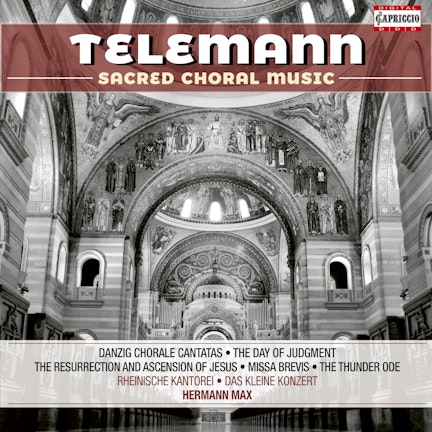
Telemann: Sacred Choral Music
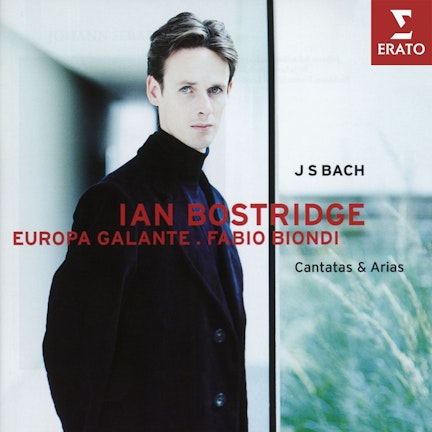
Bach: Cantatas & Arias
Bach: Cantatas & Arias
Bach & Handel: Solo Cantatas & Arias
Georg Philipp Telemann: Die Donner-Ode
Easter Cantatas
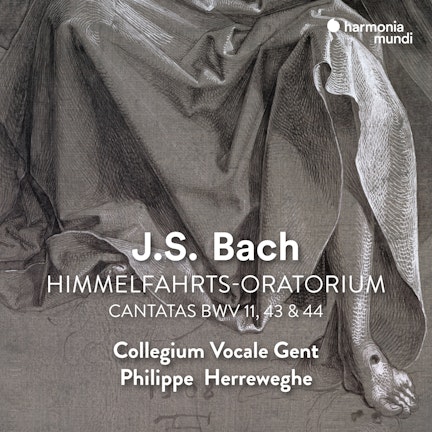
Bach: Himmelfahrts-Oratorium, BWV 11
Unlocking Bach (Cantatas BWV 11, 117, 29)
Bach & Handel: Solo Cantatas & Vocal Works
Bach, J.S.: Passion Arias / Easter Arias
Telemann: Die Tageszeiten / Daran ist erschienen die Liebe Gottes