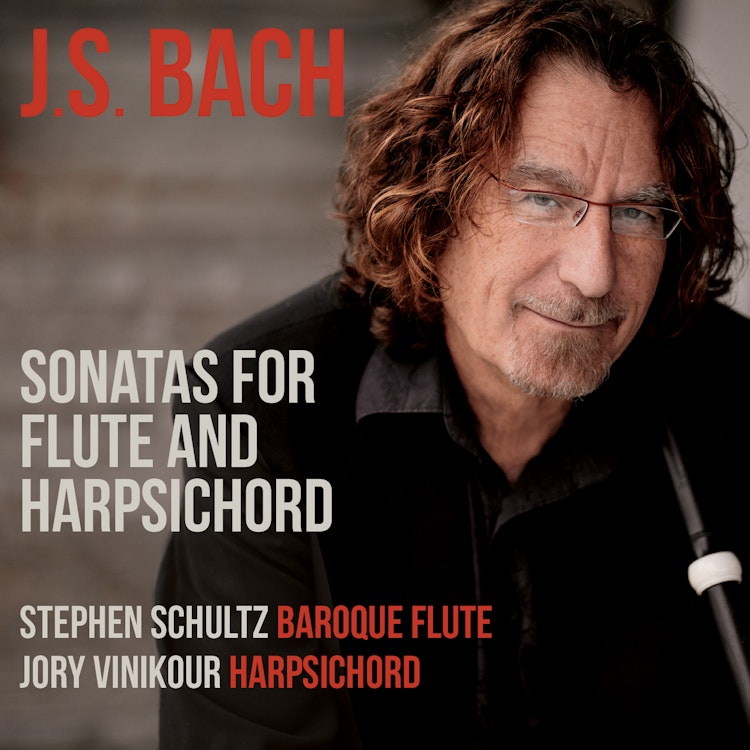
These works can be described as trios, as the harpsichordist's right-hand part is musically equal to the melody instrument, with a third musical line in the left-hand harpsichord part.
Performer Biography
Stephen Schultz, the Baroque flutist on this album, is described as 'among the most flawless artists on the Baroque flute' by the San Jose Mercury News.
Compositional Technique
The sonatas on this album feature a cutting-edge chamber music style from the 1720s and 1730s, known as the duo for melody instrument and obbligato harpsichord.
Composition History
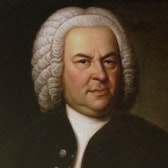
J.S. Bach copied his Sonata in A major, BWV 1032, and Sonata in B minor, BWV 1030, around 1736, modifying their original keys and scoring.
Performer Biography
Jory Vinikour, the harpsichordist, won First Prizes in the International Harpsichord Competitions of Warsaw (1993) and the Prague Spring Festival (1994).
Composition History
The Sonatas in G minor, BWV 1020, and E-flat major, BWV 1031, are of uncertain authorship, with attributions to J.S. Bach and his son Carl Philipp Emanuel Bach, as well as Johann Joachim Quantz and Carl Heinrich Graun.
Instruments
The Baroque flute, or traverso, is made of wood with a cylindrical head joint and conical body, featuring six unkeyed finger holes and one key for D-sharp/E-flat.
You might also enjoy...
Händel: Sonatas For Woodwind Instruments
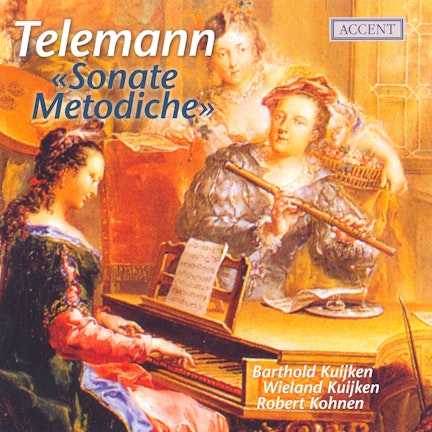
Telemann, G.: Sonate Metodiche
Quantz: Flute Sonatas
Telemann: Complete Sonatas for Recorder & Basso Continuo
Telemann, G.P.: Chamber Music
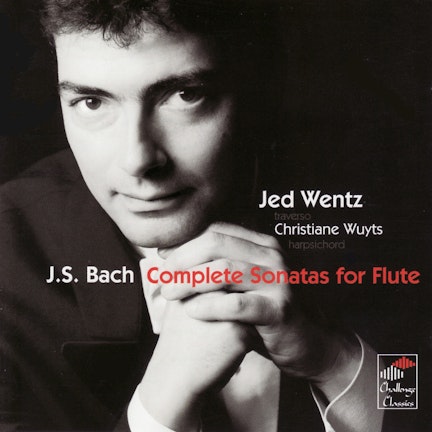
Bach: Complete Sonatas for Flute
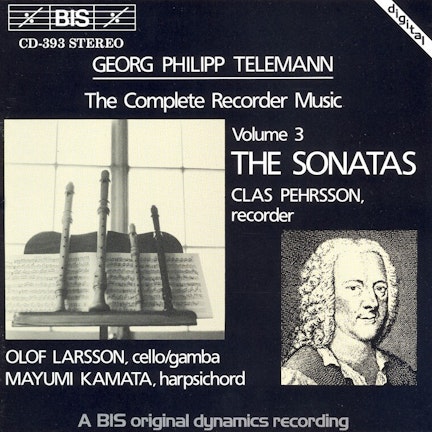
Telemann: Complete Recorder Music, Vol. 3
Telemann: Chamber Music
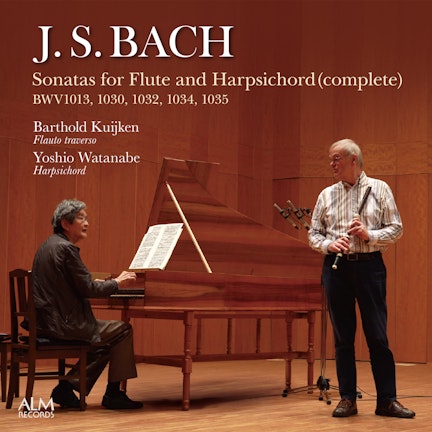
J. S. Bach: Sonatas for Flute and Harpsichord (complete)
Telemann: Tafelmusik (Selection)
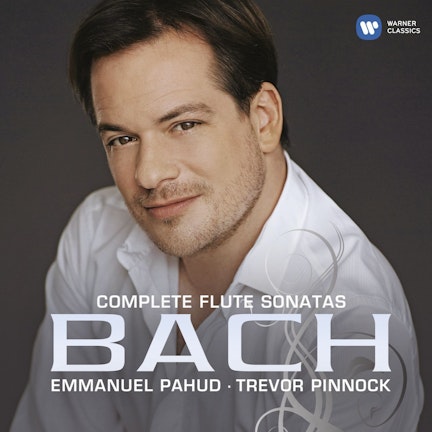
Bach: Complete Flute Sonatas
Telemann: Bläserkonzert
Telemann: Bläserkonzert
Bach: Sonata in A major - Partita in A minor - Sonata in E-Flat Major - Sonata in B minor