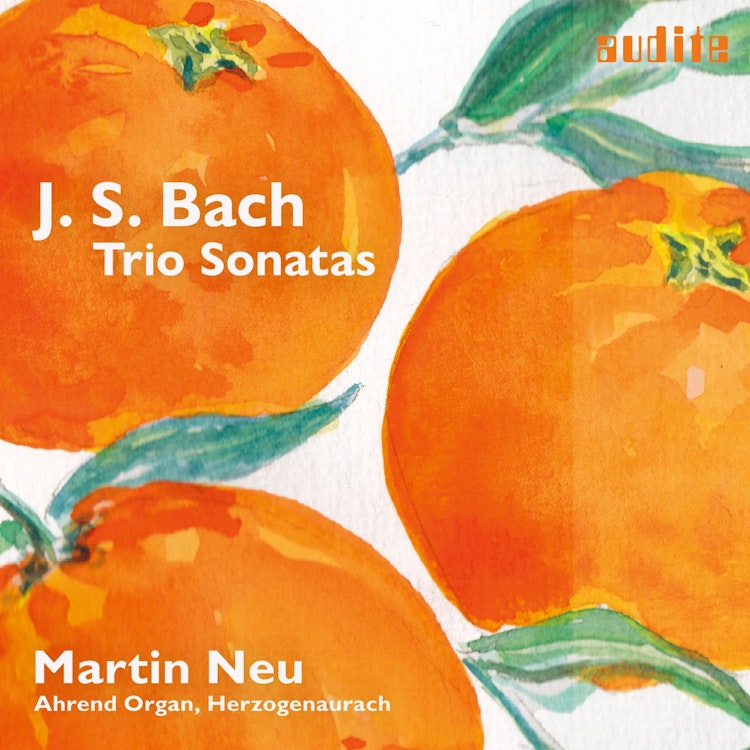
Johann Sebastian Bach: Trio Sonatas for Organ, BWV 525-530
6/7/2024, 18 Tracks, 1:23:16
Featuring
Martin Neu
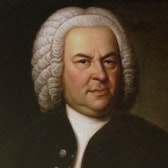
Johann Sebastian Bach
Did you know?
1/7
Composer's Artistic Vision
These trio sonatas represent Bach at the zenith of his compositional art, showing him to be incredibly experimental in form while maintaining balanced proportions.
Compositional Technique
Bach's organ trio sonatas were influenced by Italian models, creating a new form of chamber music for the organ, and also by Italian concertos from composers like Vivaldi.
Performer Biography
Martin Neu, the organist on this recording, has won numerous scholarships and awards, including an encouragement prize at the International Bach Competition in Leipzig in 2000.
Compositional Technique
Bach's trio sonatas for organ feature three independent parts for the right hand, left hand, and feet, engaging in a captivating dialogue.
Composition History
J. S. Bach composed these six trio sonatas for his eldest son, Wilhelm Friedemann Bach, to help him prepare to become a great organist.
Cultural Impact
Wolfgang Amadeus Mozart was so fascinated by Bach's organ trio sonatas that he arranged three movements for string trio (violin, viola, and cello).
Instruments
The organ used for this recording, the Ahrend Organ at St. Otto in Herzogenaurach, was designed with a unique layout to fit the church's challenging dimensions, including a shallow case depth.
You might also enjoy...
Bach: The Trio Sonatas
Bach: Trio Sonatas for Organ, BWVV 525-530
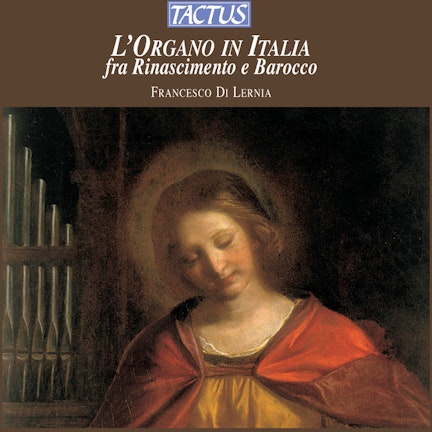
L'Organo in Italia fra Rinascimento e Barocco
Bach: Trio Sonatas for Organ BWV 525-530
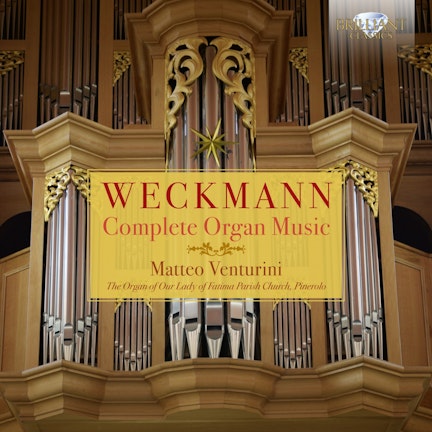
Weckmann: Complete Organ Music
In dulci jubilo: Church Service Music of Toyama Kashimacho Church - Advent Through Christmas
Jesu, meine freude: Church Service Music of Toyama Kashimacho Church - Passion & Ressurection
Zipoli in Diamantina
A Baroque Christmas at Sono Luminus
Fusco, Vebber, Nodari, Geminiani, Tasini, Galanti, La Licata, Uvietta: Segno presente Vol. 2, New Music for Ancient Organ