The final movement of Brahms's Cello Sonata No. 1, Op. 38, is often called "crayfish and cannon final" due to its unique construction combining sonata form with three themes and a fugal style.
Composer's Artistic Vision
Brahms instructed that the melodic exchanges in the first part of the Trio Op. 114's Andantino grazioso should sound "as if the instruments were in love with each other."
Composition History
The two Sonatas, Op. 120, Brahms's last chamber works, were originally conceived for clarinet and piano, inspired by the talent of clarinettist Richard Mühlfeld.
Composition History
Brahms dedicated his Cello Sonata No. 1, Op. 38, to his friend Josef Gänsbacher, a talented cellist who helped Brahms secure the directorship of the Wiener Singakademie.
Interpretation
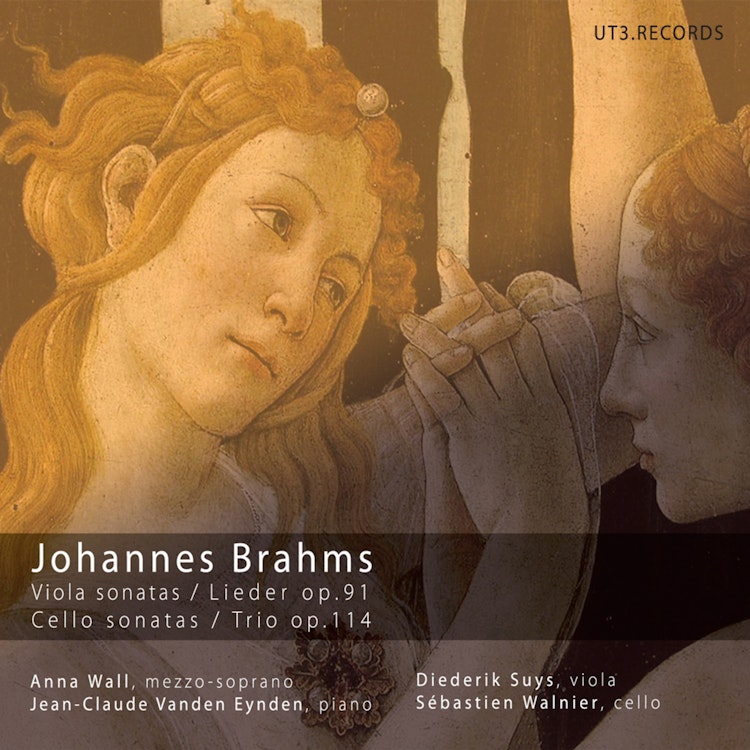
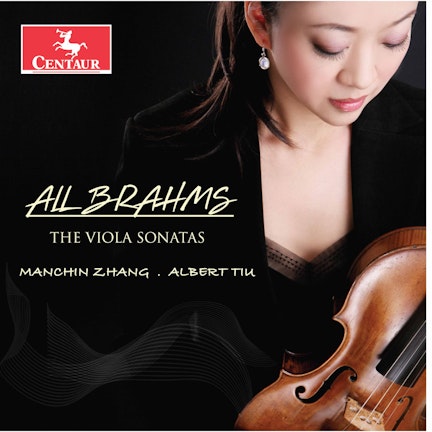
The Sonatas Op. 120 and the Trio Op. 114, originally for clarinet, can be performed with a viola, which offers a warm sonority as a substitute for the clarinet's dramatic coldness.
Compositional Technique
The Cello Sonata No. 2, Op. 99, concludes with a rondo whose popular character is borrowed from the German folk song "Ich hab' mich ergeben," which Brahms also used as a Leitmotif in his Academic Festival Overture.
Composition History
Brahms's Two Songs, Op. 91, for contralto, viola, and piano, were premiered in Vienna in 1886 by Amalie Joachim (wife of violinist Joseph Joachim), Joseph Hellmesberger on viola, and Brahms himself on piano.