Lucien Durosoir's Incantation bouddhique reflects his interest in Eastern philosophy and spirituality, which he explored through various texts after losing faith in humanity and religion due to two world wars.
Composition History
The Caprice for cello and harp was dedicated to Maurice Maréchal, a cellist and fellow musician with whom Durosoir performed chamber music during World War I near Verdun.
Composer Biography
Lucien Durosoir, a concert violinist, became a composer during World War I while serving as a soldier in Verdun.
Composer Biography
Lucien Durosoir's Berceuse for flute and piano was written just before his mother's death, and he later referred to it as a "Funereal lullaby."
Composition History
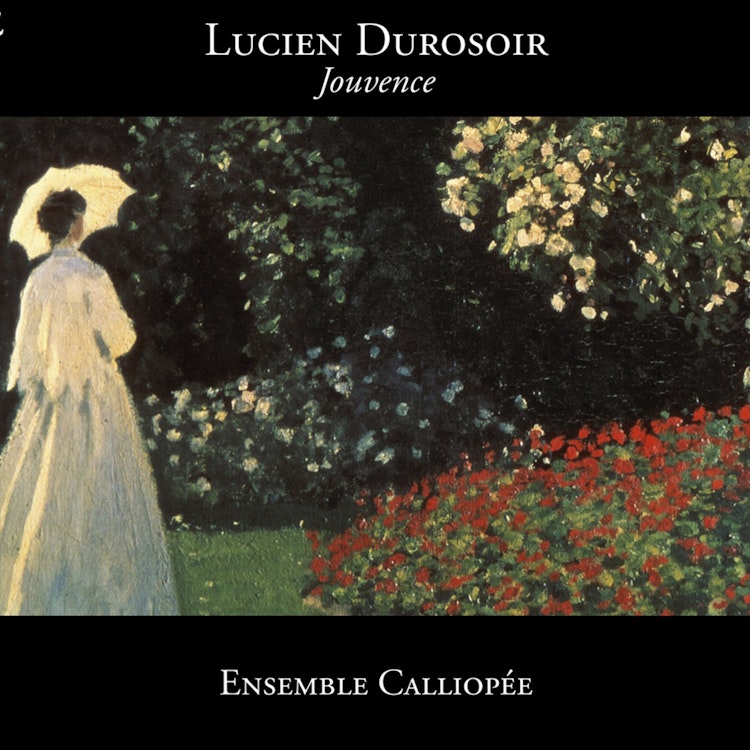
Lucien Durosoir's composition Jouvence was inspired by a poem by José-Maria de Heredia, a Parnassian poet, but also reflects Durosoir's disillusioned view of heroism after his wartime experiences.
Compositional Technique
A six-note theme in the Nocturne movement of Durosoir's Piano Quintet anticipates a theme used by Maurice Ravel in his Violin Sonata of 1927, suggesting a shared musical memory from their time at the front during World War I.
Compositional Technique
The Piano Quintet in F major features constant changes in musical material, ethos, and tempo, with the first movement alone containing eighteen changes in tempo and character within its first 132 bars.
You might also enjoy...
Ferrari: Music for Harp & Piano
Perception: Works by Caplet, Debussy, Schubert & Schumann
Smile
20th Century Romantics
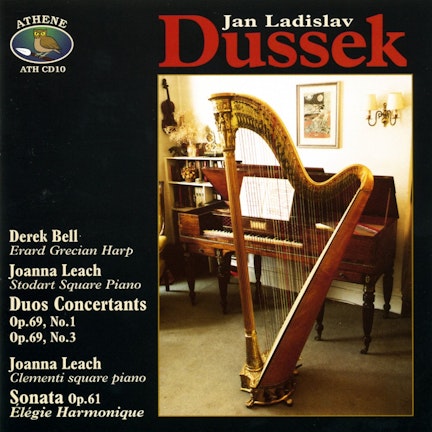
Dussek, J.L.: Duo Concertants, Op. 69, Nos. 1 and 3 / Sonata, Op. 61, "Elegie Harmonique"
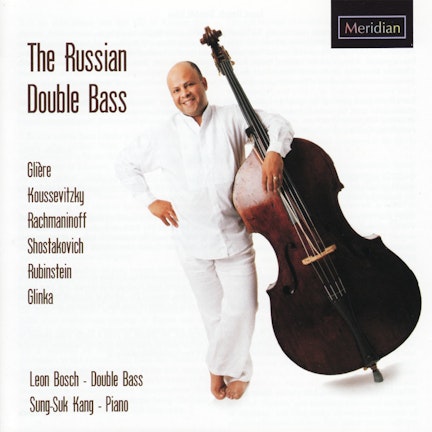
The Russian Double Bass
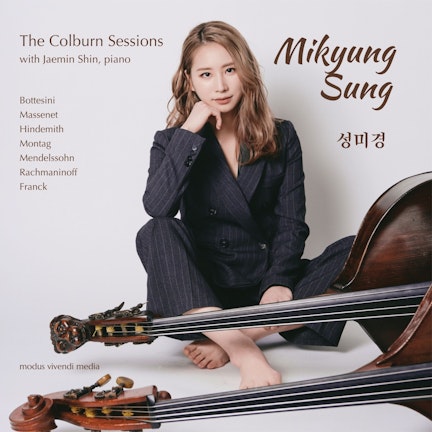
The Colburn Sessions
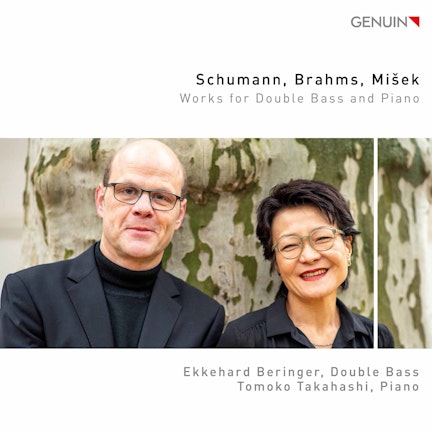
Schumann, Brahms & Mišek: Works for Double Bass & Piano
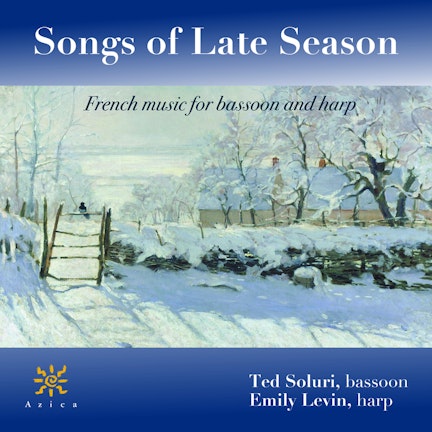
Songs of Late Season: French music for bassoon and harp
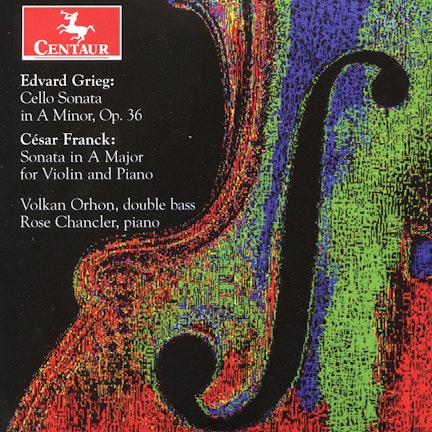
Grieg: Cello Sonata, Op. 36 - Franck: Violin Sonata in A Major
Cor! Alison Teale Plays Cor Anglais
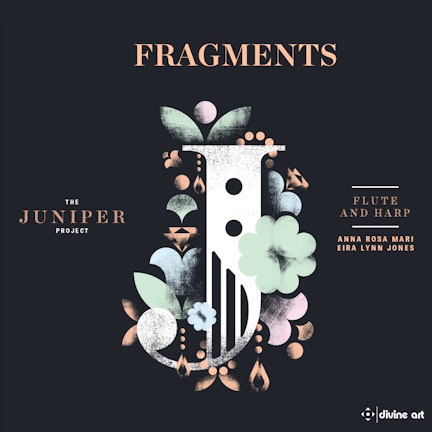
Fragments: Music for Flute & Harp (The Juniper Project)