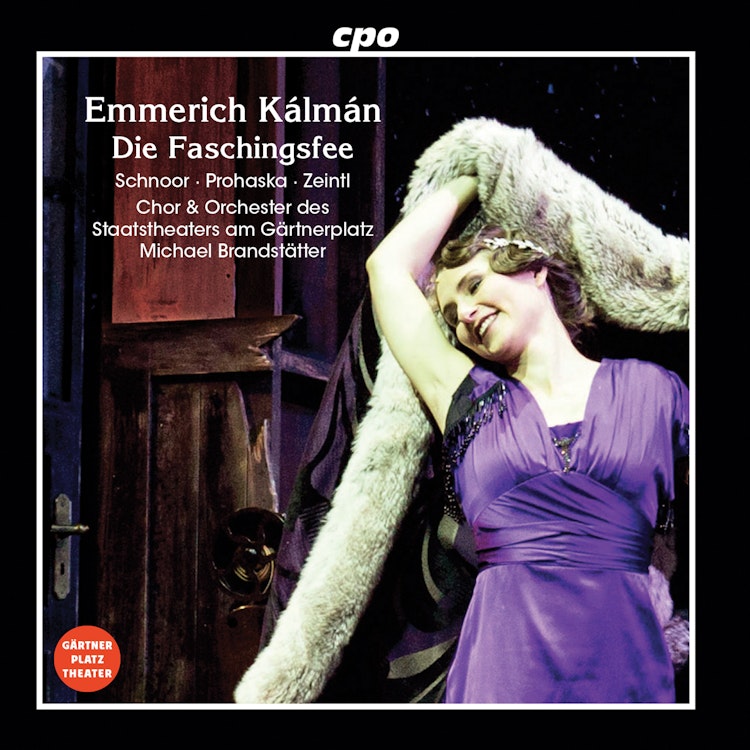
The Berlin version of "Die Faschingsfee" underwent extensive changes, particularly to accommodate the star Fritzi Massary, Berlin's operetta diva assoluta, with almost all of Alexandra's musical numbers being altered for her.
Composer Biography
Emmerich Kálmán, a Jewish composer, was forced into exile in the USA in 1940 due to the Nazi regime, while his sisters who remained in Budapest became victims of German racial fanaticism.
Critical Reception
The Berlin premiere of "Die Faschingsfee" in 1918 was an overwhelming success, despite the Norddeutschen Allgemeinen Zeitung bristling at the "joy of shallow entertainment."
Composer's Artistic Vision
Emmerich Kálmán, despite his personal sadness, became a significant operetta composer, combining Hungarian soul, Viennese temperament, and international grandeur in his works.
Composition History
Emmerich Kálmán's operetta "Die Faschingsfee" was not originally new music; it was adapted from his earlier Hungarian operetta "Zsuzsi Kisasszony."
Compositional Technique
Kálmán's "Die Faschingsfee" heavily reused musical numbers from his earlier work, with almost all of its pieces originating from "Zsuzsi Kisasszony."
Historical Context
The operetta "Die Faschingsfee" premiered in 1917 during World War I, leading to a boycott of works from Central Powers by the Allies, making Kálmán reliant on Central European stages.
You might also enjoy...
Lehar, F.: Land Des Lachelns (Das) (The Land of Smiles) [Operetta]
Der Graf von Luxemburg
Lehár: Das Land des Lächelns [1994 Digital Remaster]
Kálmán: Gräfin Mariza
Lehar: Das Furstenkind
Lehár: Paganini (Live)
Lehár: Paganini
Lehár: Der Zarewitsch
Korngold: Die Stumme Serenade
Offenbach: Pomme d'api & Trafalgar (Sur un volcan)