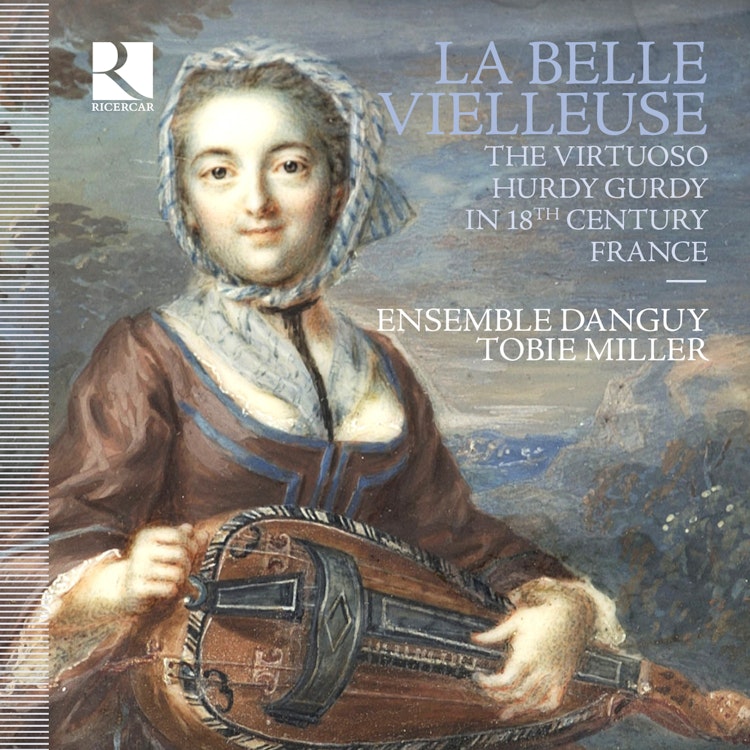
Over 200 works were composed for the hurdy gurdy between 1725 and 1765, ranging from simpler music evoking arcadian peasants to more complex chamber music.
Compositional Technique
The hurdy gurdy's most defining feature is its wheel, which functions like a circular bow, and its buzzing bridge (trompette) allows for unique articulations controlled by the player's right hand.
Compositional Technique
Jean-Baptiste Dupuits, a composer and teacher, pushed the boundaries of harmony versus drone in his hurdy gurdy music, with his method providing valuable information on the instrument's technique and style.
Historical Context
The hurdy gurdy and baroque bagpipe (musette) experienced a resurgence in popularity in mid-18th century France, as the nobility adopted them to imitate the perceived simplicity of rural life.
Historical Context
The hurdy gurdy, originally a large instrument for two musicians associated with the church, declined socially and musically by the 14th and 15th centuries, becoming an instrument of beggars and peasants.
Composer Biography
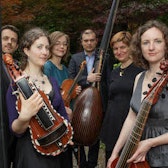
L'illustre Danguy, a celebrated hurdy gurdy virtuoso, was responsible for introducing his instrument into the Concert Spirituel, a famous Parisian concert series, and performed for Queen Marie Leczinska.
Instruments
Henri Batôn, an instrument-maker and father of virtuoso Charles Bâton, revolutionized the hurdy gurdy by incorporating elements from baroque guitars, lutes, and viols to create an elegant instrument suited for chamber music.
You might also enjoy...
Soler: Sol de mi fortuna, Sonatas from the Morgan Library
The Pleasures of the Imagination: English 18th Century Music for the Harpsichord
20th Century Harpsichord Music
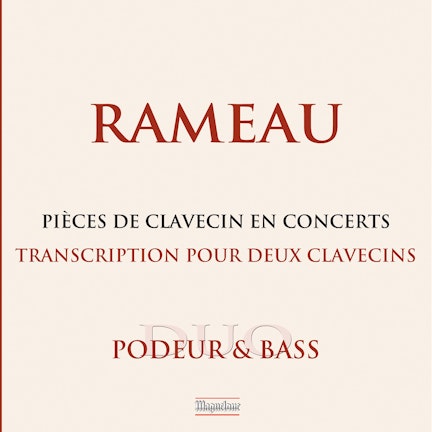
Rameau: Pièces de clavecin en concerts
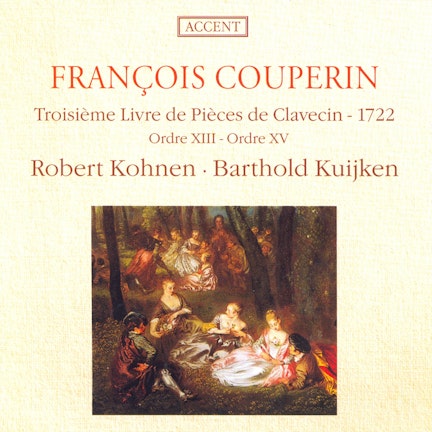
Couperin, F.: Pieces De Clavecin, Book 3
Couperin, F.: Pieces De Clavecin, Book 4
Fitzwilliam Virginal Book, Vol. 5
The Fitzwilliam Virginal Book, Vol. 6
Graupner: Partien 1718 & Galanteries: Partitas for Harpsichord, Vol.2
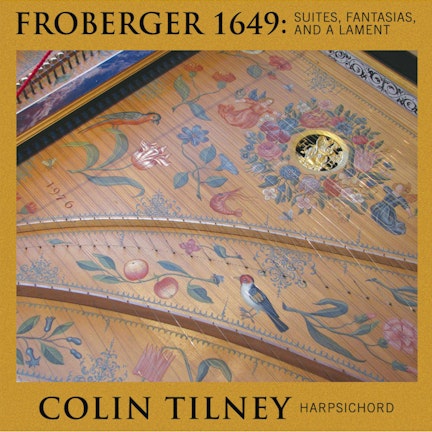
Froberger 1649: Suites, Fantasia and a Lament
Nares: Eight Setts of Lessons for the Harpsichord - Handel: Suite in D Minor
Beauvarlet-Charpentier: 1er livre de Pièces de Clavecin