The harpsichords used for this recording are tuned in Vallotti temperament at 407 Hz.
Instruments
The recording uses two harpsichords from "L'Atelier du Clavecin": an anonymous Flemish harpsichord from 1748, restored by Laurent Soumagnac, and a copy of that instrument also made by Soumagnac.
Historical Context
The fully-notated harpsichord parts in these works, inspired by Casanea de Mondonville's 1738 sonatas, paved the way for the more egalitarian use of keyboard instruments in the 18th century, leading to classical piano duos, trios, and quartets.
Composition History
Jean-Philippe Rameau's "Pièces de clavecin en concerts" were first published in Paris in 1741, with a second edition in 1752 and an English edition appearing in 1750.
Compositional Technique
These five Concerts are innovative, scored for solo harpsichord, violin (or flute), and bass viol (or second violin), deliberately breaking from the traditional basso continuo role of the harpsichord.
Interpretation
The transcription for two harpsichords involved adapting the violin and bass viol parts for the second harpsichord, often by sight-reading and experimenting with idiomatic harpsichord writing.
Interpretation
During repeats, the performers improvised with doubles, additional ornaments, imitations, and even quotes from other Rameau pieces, such as superimposing "La Poule" and "L'Egyptienne" in "La Rameau."
You might also enjoy...
Noblet, C.: Harpsichord Suites Nos. 1 and 2 (Moersch)
Handel: Complete Preludes & Toccatas from the Bergamo Manuscript
Jollage: Premier livre de Pièces de Clavecin
18th-Century Flemish Harpsichord Music
Soler: 6 Concertos for 2 Harpsichords
COUPERIN, F.: Suites for Harpsichord Nos. 6, 8 and 11
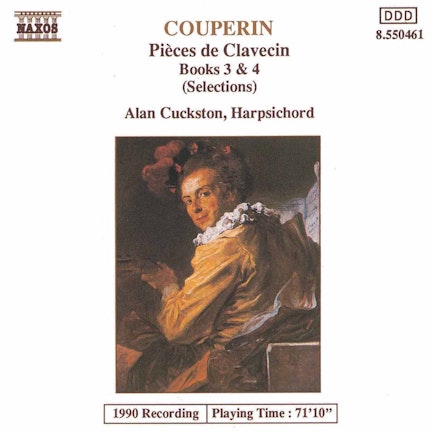
Couperin, F.: Pieces De Clavecin, Books 3 and 4 (Excerpts)
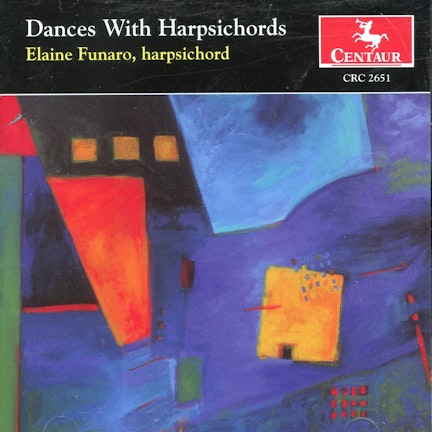
Dances with Harpsichords
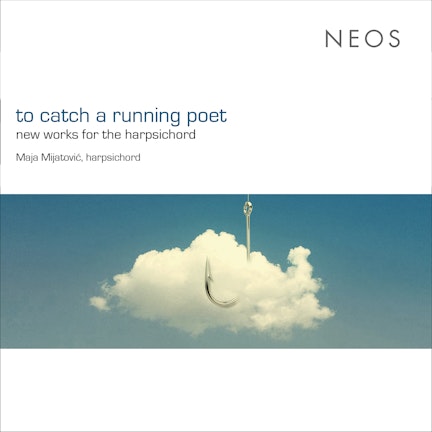
To Catch a Running Poet
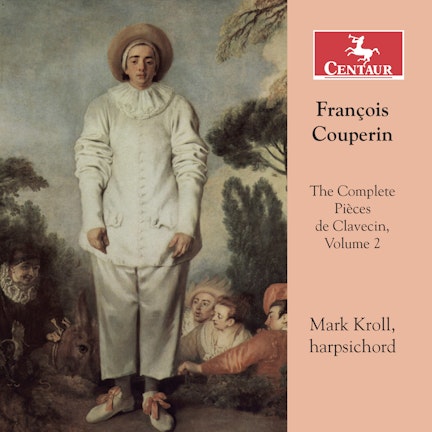
Couperin: The Complete Pièces de clavecin, Vol. 2
Christoph Nichelmann: Harpsichord Sonatas
Couperin, F. : Suites for Harpsichord Nos. 22, 23, 25 & 26