From the 1740s onwards, Handel prioritized composing oratorios in English, partly due to personal taste and pragmatism, as his later operas had mixed success.
Recording & Production
This album was recorded by Little Tribeca at the Temple Lanterne in Lyon, France, from June 24 to 26, 2019.
Historical Context
The success of Handel's oratorios reflected a shift in public taste towards a genre that aligned with the emerging nationalist sentiment and a more rigid moral code in English society.
Compositional Technique
Handel's oratorios, which became his primary field of expression from 1739, offered a more contrasted orchestration, varied aria forms often escaping the da capo model, and greater use of choirs compared to his operas.
Performer Biography
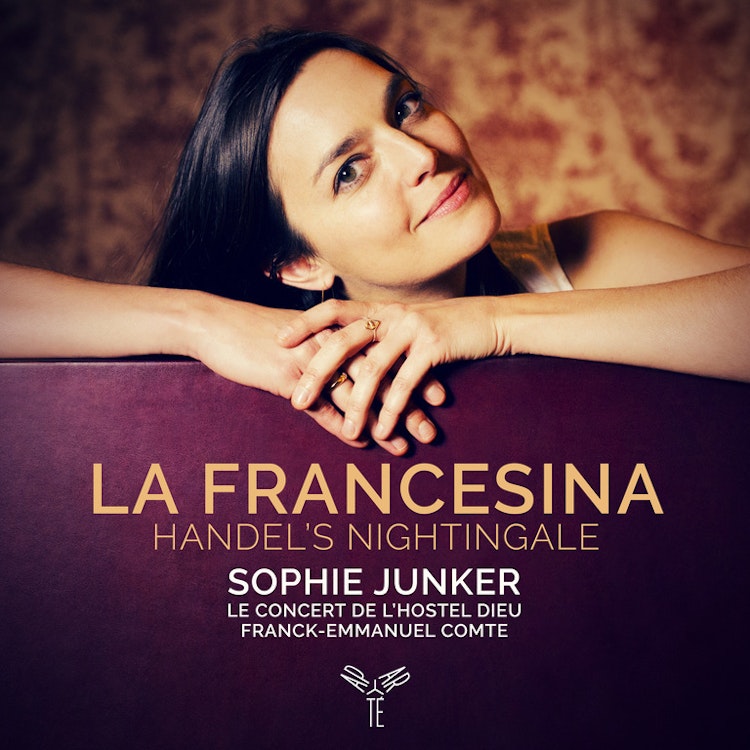
Sophie Junker, the soprano on this album, adopted Handel's music after moving to London for her studies, following in the footsteps of Élisabeth Duparc, a French soprano for whom Handel wrote many roles.
Composer Biography
Élisabeth Duparc, nicknamed 'La Francesina' (the little Frenchwoman), was the only Frenchwoman for whom Handel ever wrote music, and she became his prima donna for eight consecutive years.
Composer's Artistic Vision
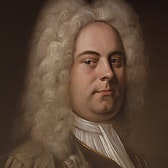
Handel's genius is characterized by its universality, excelling in all genres and synthesizing Germanic, French, and Italian styles to create music with a British identity.
You might also enjoy...
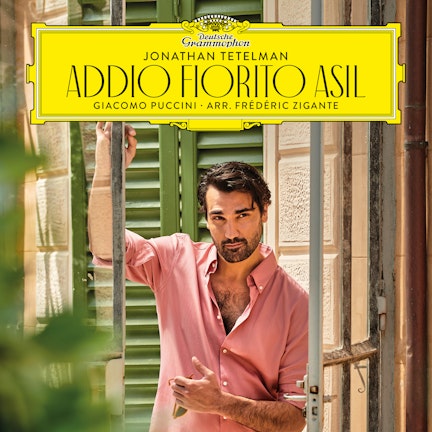
Puccini: Madama Butterfly, SC 74: Addio fiorito asil (Arr. Zigante for Tenor and Guitar)