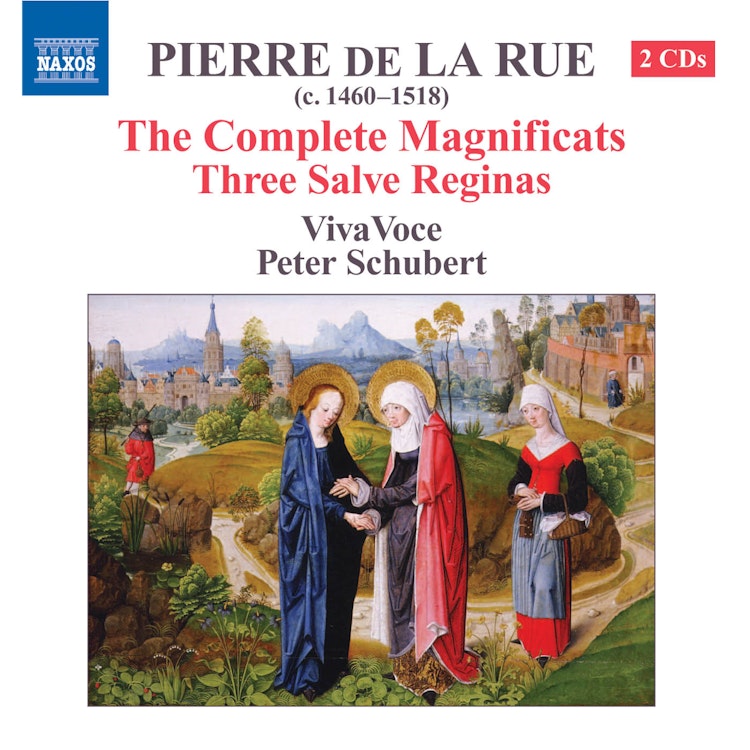
This album presents the first complete recording of La Rue's seven surviving Magnificats, alongside three of his six settings of the Salve Regina.
Historical Context
The Habsburg-Burgundian chapel, where La Rue worked, was a musical and ecclesiastical establishment that traveled with the ruler of the Burgundian Netherlands.
Composer's Artistic Vision
La Rue had a special connection with Marguerite of Austria, whose tragic life influenced his musical expressions of grief, particularly in his Salve Regina settings.
Compositional Technique
In Salve Regina IV, La Rue quotes melodies from well-known 15th-century chansons by Guillaume Dufay and Gilles Binchois, integrating secular love songs into Marian polyphony.
Composer Biography
Pierre de La Rue, the composer, worked for the Habsburg-Burgundian chapel for the rest of his active life after joining in 1492.
Composition History
La Rue composed the first complete set of polyphonic Magnificat settings by a single composer, providing composed polyphony for major feast days and liturgical genres.
Compositional Technique
La Rue's Magnificats and Salve Reginas often alternate verses of chant with verses of polyphony, with the chant melodies sometimes hidden or ornamented within the polyphonic sections.
You might also enjoy...
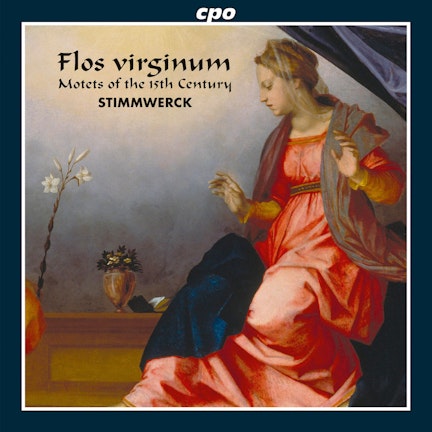
Flos virginum: Motets of the 15th Century
Pękiel: Sacred Works
Die Singphoniker: Gregorianischer Choral aus St. Gallen
John Amner: Complete Consort Music
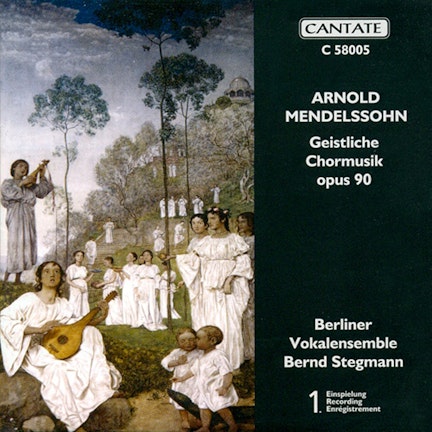
Mendelssohn, A.: Geistliche Chormusik, Op. 90
Gregorian Chant from St. Gall, Vol. 1
Firminus Caron - Twilight of the Middle Ages
O rex orbis: Officium in festo sancti Karoli
Palestrina, G.P.: Delle Madrigali Spirituali Libro Secondo
Vocal Music - Romero, M. / Blas De Castro, J. / Diaz, G. / Pujol, J.P. / Rios, A. (Music in the Spain of Philip Iv) (La Colombina)