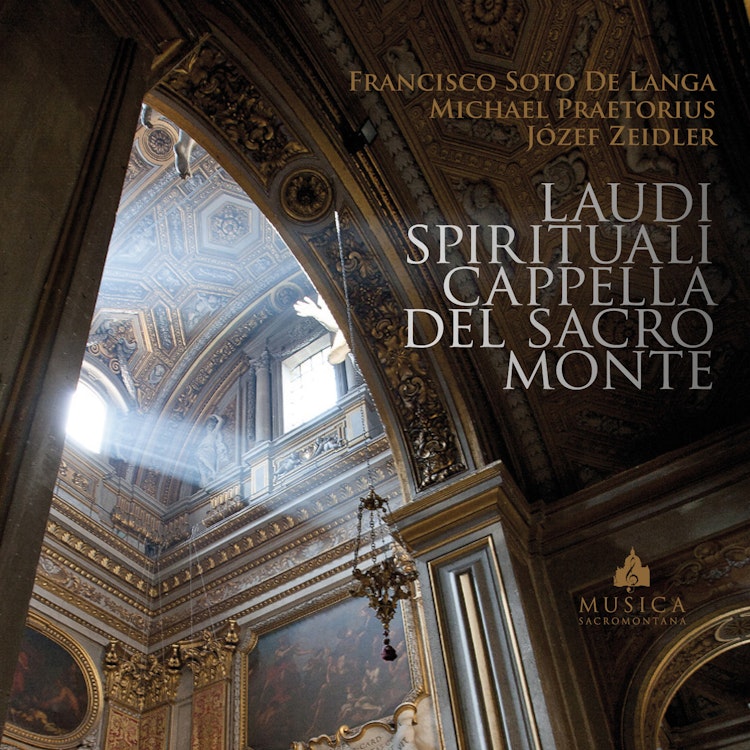
The performance concept for these laude emphasizes emotional atmosphere and timbral colors through instrument selection and improvisation, given the musical material's simplicity.
Historical Context
Laude were devotional, non-liturgical songs in the vernacular, popular in Italian towns, and sung by fraternities often composed of craftsmen.
Composition History
The Congregazione dell'Oratorio, founded by Philip Neri, was a meeting place for intellectuals, artists, and burghers, where the singing of laude was a daily practice.
Compositional Technique
Laude were designed for broad appeal, featuring simple, memorable melodies, often with refrains, and uncomplicated three- or four-part chordal textures.
Recording & Production
Most compositions on this album come from printed editions of laude from the late 16th century, overseen by Spanish singer and composer Francisco Soto de Langa.
Composition History
Laude, or songs of praise, originated from the new Franciscan spirituality in 13th-century Italy, inspired by St. Francis of Assisi's poetic sensibility.
Composer's Artistic Vision
Philip Neri, known as the 'Apostle of Rome' and founder of the Congregation of the Oratory, advocated for a joyous church and believed that 'God is joy'.