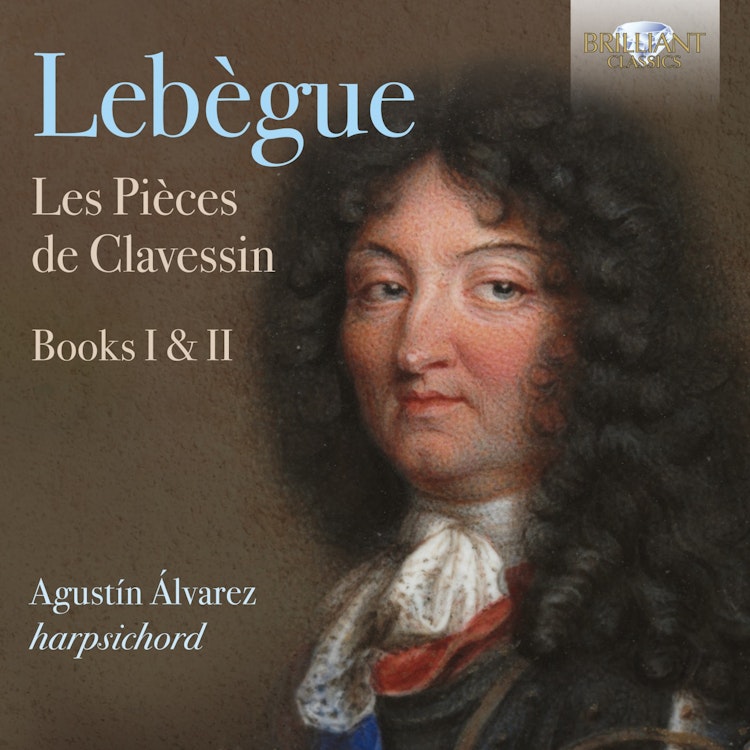
Nicolas Lebègue, the composer, was considered the most prominent keyboard virtuoso during the reign of Louis XIV.
Composition History
Lebègue's first book of Pièces de clavecin, published in 1677, was the second volume of French harpsichord music to appear after Jacques Champion de Chambonnières' pioneering publication of 1670.
Cultural Impact
Lebègue's harpsichord books circulated widely in Europe and influenced succeeding generations of French and German composers, including those in circles close to the Bach family.
Performer Biography
Agustín Álvarez, the harpsichordist on this recording, studied Baroque dance and collaborates with the 'Danza Histórica Esquivel' company, informing his interpretation of Lebègue's dance-based suites.
Compositional Technique
Lebègue is credited with conceiving and organizing the harpsichord suite as a coherent group of pieces in the same key and a particular order, a form that influenced later composers like Bach.
Composer's Artistic Vision
Lebègue provided specific recommendations for performing his preludes, acknowledging the difficulty of making his improvisatory method intelligible to all musicians.
Compositional Technique
In his first book, Lebègue pioneered a 'non mesuré' notation for preludes, combining tied whole notes in the style of Louis Couperin with more precise rhythms to maintain an improvisatory idiom.
You might also enjoy...
J.S. Bach: Works for Harpsichord
Bach, J.S.: Goldberg Variations, Bwv 988
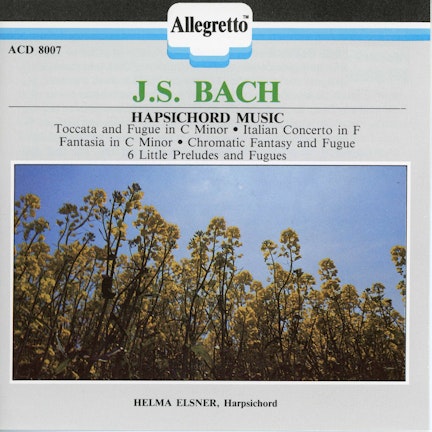
Bach: Harpsichord Music
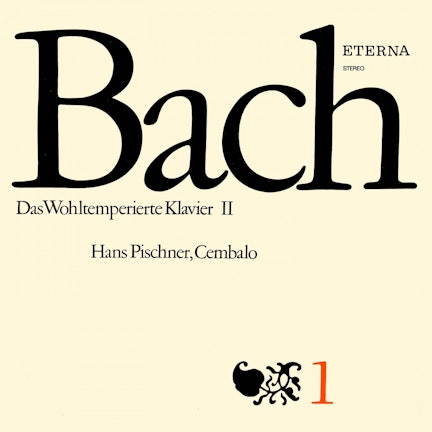
Bach: Das wohltemperierte Klavier II
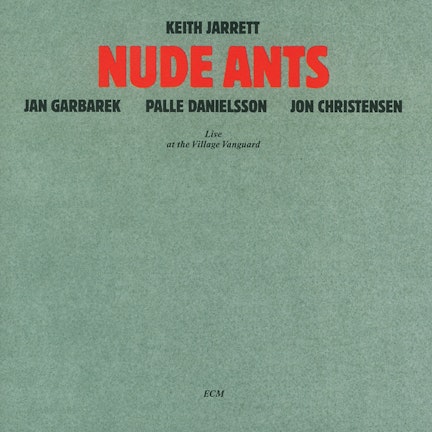
Nude Ants
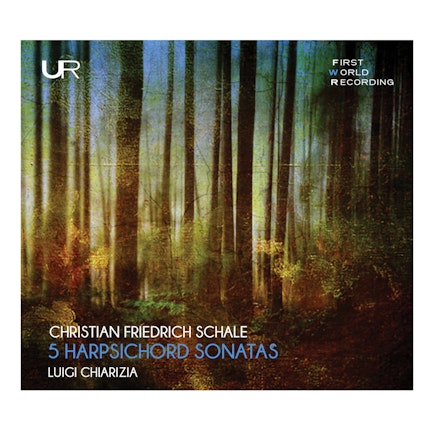
Schale: Harpsichord Sonatas
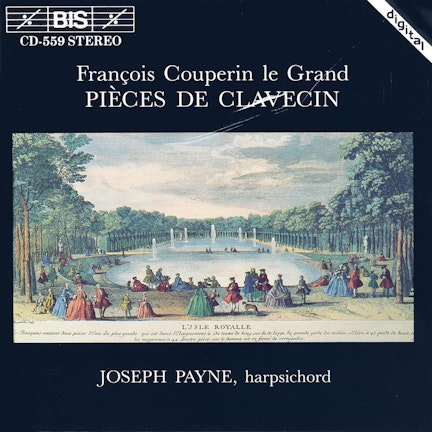
Couperin: Pieces De Clavecin
COUPERIN, F.: Suites for Harpsichord Nos. 6, 8 and 11
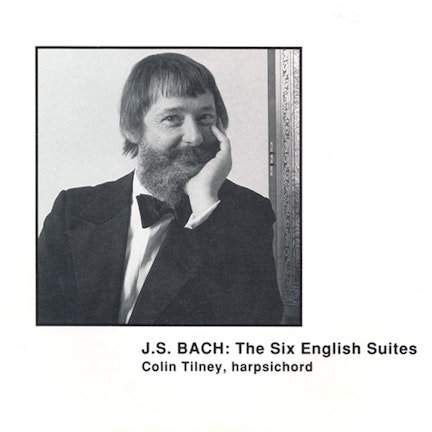
Bach, J.S.: English Suites Nos. 1-6
Bach for Harpsichord
Handel: Harpsichord Suites Nos. 1- 5
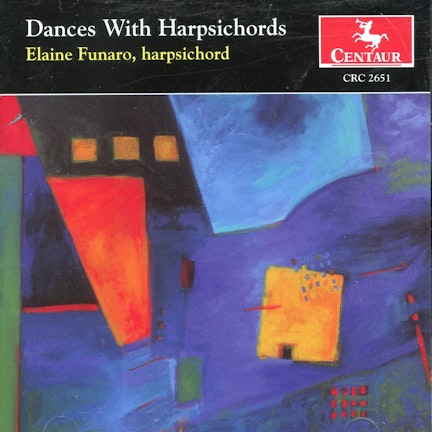
Dances with Harpsichords
Couperin, F. : Suites for Harpsichord Nos. 22, 23, 25 & 26