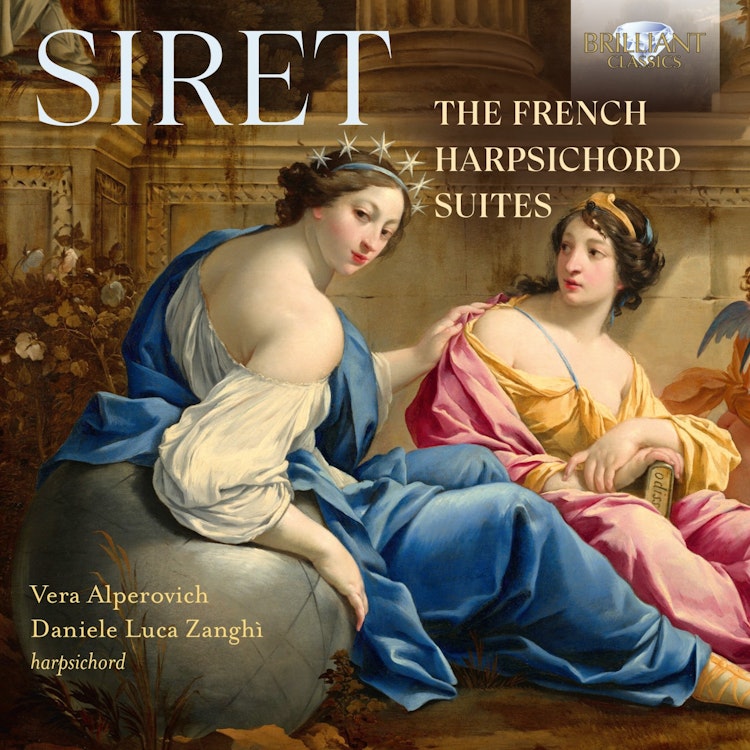
This album was recorded in the Aula Magna of the Conservatorio della Svizzera Italiana - University School of Music, Lugano (Switzerland).
Compositional Technique
The second volume of Siret's works, published in 1719, contains one of the last French examples of Préludes non mésurés, which are pieces without a fixed tempo.
Compositional Technique
The first volume of Siret's harpsichord pieces includes descriptive titles for some dances, such as Languissante and Luthée, a common practice of the era.
Historical Context
The harpsichord was the quintessential instrument of the golden age of French music during the 1700s, with great musicians developing a distinctive style based on dance suites.
Composer Biography
Nicolas Siret (1663-1754), the composer, came from a family of musicians in Troyes and never left his hometown, where he worked as an organist in various churches and the cathedral.
Composition History
Siret dedicated the first volume of his Pièces de clavecin to his friend and admired harpsichordist, François Couperin 'Le Grand'.
Instruments
The harpsichord used for this recording is a copy of an instrument made by Henry Hemsch (1700-1769), a German craftsman who became a French citizen.
You might also enjoy...
Bach - Gulda - Clavichord
Couperin: Pieces De Clavecin
Works For Harpsichord
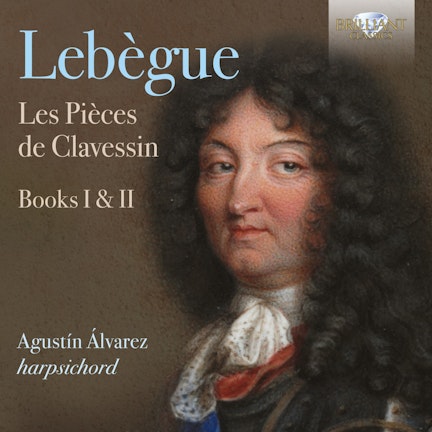
Lebègue: Les Pièces de Clavessin, Books I & II
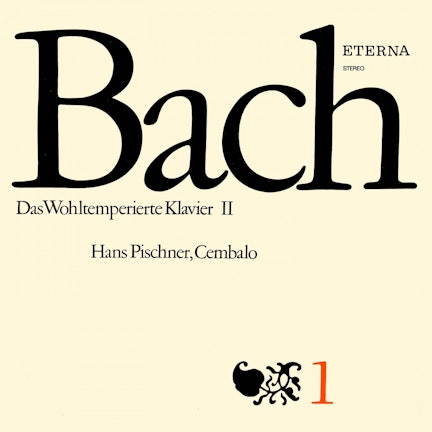
Bach: Das wohltemperierte Klavier II
J.S. Bach: Works for Harpsichord
Bach, J.S.: Goldberg Variations, Bwv 988
Nude Ants
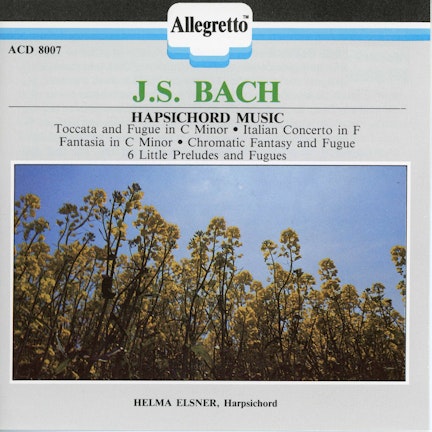
Bach: Harpsichord Music
Bach for Harpsichord
Schale: Harpsichord Sonatas
Bach: The 6 Partitas for Harpsichord, BWV 825-830
J. S. Bach: Werke für Cembalo, Vol. II - The Well-Tempered Clavier, BWV 846-893