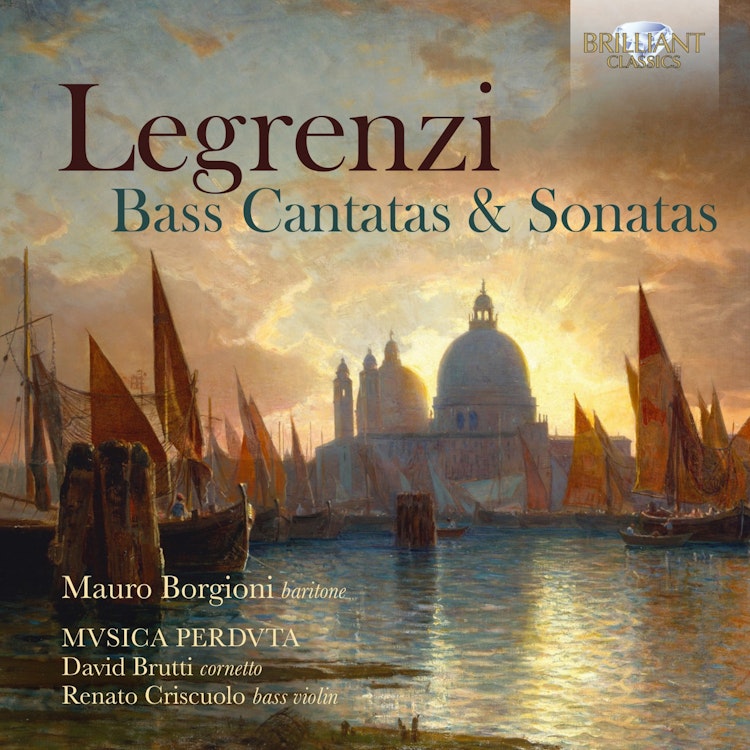
During the 17th century, the cantata's structure was open, with musical episodes shaped by the text, unlike the later codified form of arias and recitatives.
Interpretation
The trio sonatas on this recording, originally for violin and bass viola da brazzo, are performed with a cornett in place of the violin, a common practice in the 17th century.
Composition History
The cantata for voice and basso continuo gained official recognition in 1620 with the publication of Alessandro Grandi's Cantate et arie a voce sola in Venice.
Composer's Artistic Vision
Giovanni Legrenzi's vocal works maintained a consistent style, generally avoiding fashionable innovations or attempts to astound audiences.
Composer Biography
Giovanni Legrenzi, born in 1626 in Clusone, Italy, was an Italian composer whose vocal works show a remarkable unity of form and style.
Compositional Technique
Legrenzi's cantatas are notable for being longer than those of other Venetian composers, featuring richer counterpoint, more frequent instrumental refrains, and smoother transitions between recitative and aria.
Compositional Technique
Legrenzi often used the bass voice to conjure comical situations in his cantatas and canzonettas, such as an old man in love or an Arcadian shepherd's erotic dreams.
You might also enjoy...
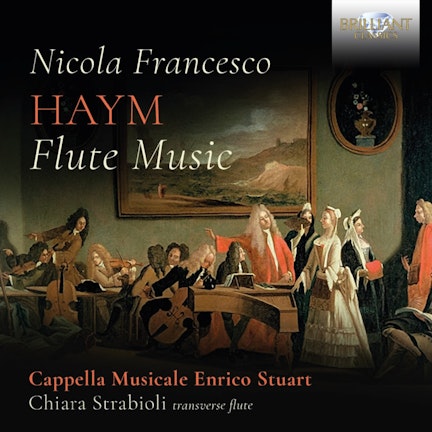
Haym: Flute Music
Sirens & Soldiers. Song without Words from the Italian Seicento
Gombert: Motets
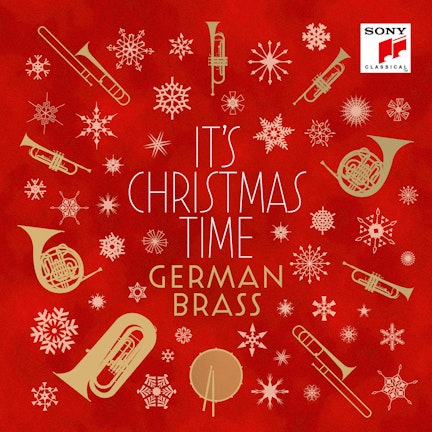
It's Christmas Time
Travelling Light
Carnival Fantasy - A Carnival Of The Animals And Other Fantasies
Wind Quintet Arrangements - Mozart, W.A. / Gershwin, G. / Bach, J.S. / Stravinsky, I. / Macdowell, E. / Rimsky-Korsakov, N.A.
Pieces for Christmas Peace
What the World Needs Now (The Music of Burt Bacharach)
Symphonic Steps
Alla zingarese
Elm
More Than Muses - Female Creative Power in the Golden Age