At the age of 59, Legrenzi was appointed maestro di cappella at St. Mark's, the most prestigious musical position in Venice.
Historical Context
In the 17th century, emotions were believed to reside in the heart and were considered integral to penance, with physical manifestations like crying and groaning seen as inseparable from inner feelings.
Compositional Technique
Unusually for its time, Legrenzi's librettist made the heart solely responsible for sin, rather than the body, leading to the dramatic consequence that the sinner's heart must die for salvation.
Composer Biography
Giovanni Legrenzi, the composer, was a prolific composer of both church music and operas, and was widely admired and imitated throughout Europe during his lifetime.
Composition History
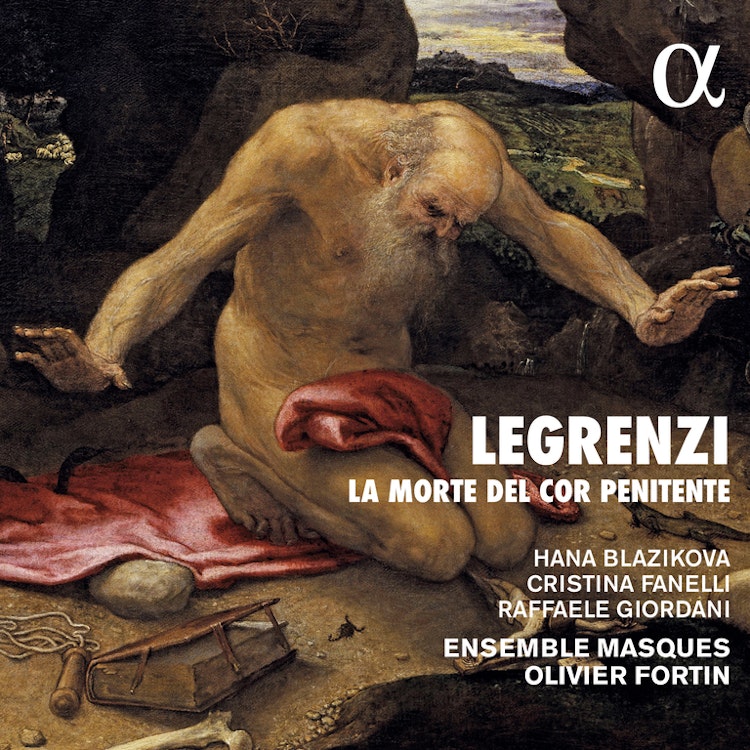
Legrenzi's oratorio, "La morte del cor penitente" (1673), explores the theme of repentance, a central aspect of 17th-century Catholic spirituality.
Composer's Artistic Vision
The oratorio reflects the 17th-century Catholic belief that a Christian's life should be one of continuous penance, depicting a sinner's journey from remorse to triumph through suffering.
Composer Biography
Legrenzi studied with Giovanni Rovetta, a pupil of Monteverdi, which influenced his ability to combine the strict rules of the 'stile antico' with the expressive 'stile moderno' of opera.