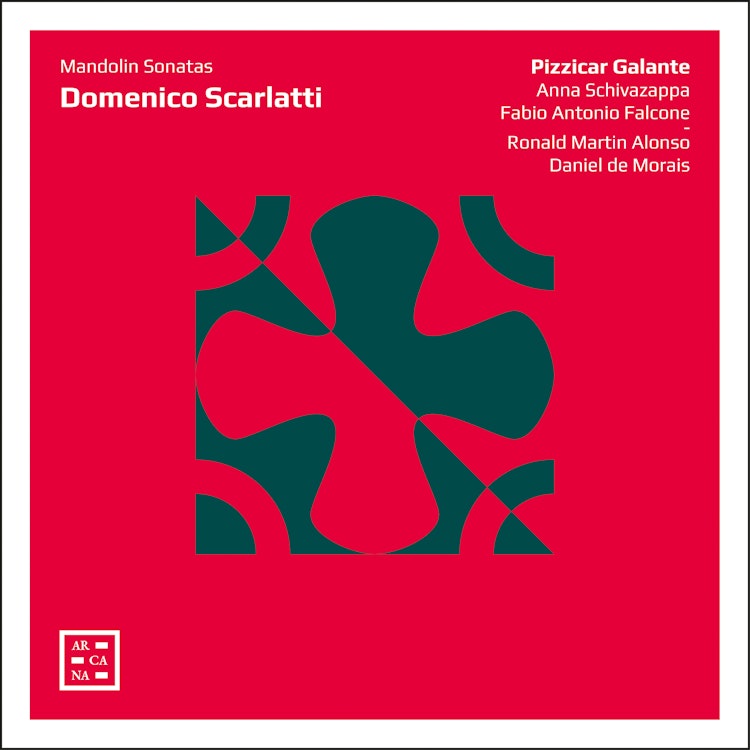
The decision to perform these sonatas on mandolin stems from the discovery of an 18th-century French manuscript indicating 'Sonatina per mandolino e cimbalo' for Scarlatti's Sonata K 89.
Compositional Technique
Musicologist Edward Joseph Dent first suggested in 1906 that some of Domenico Scarlatti's keyboard compositions might be 'violin solos' due to characteristics like constant voice separation and dynamic markings.
Composer's Artistic Vision
Domenico Scarlatti's music often incorporates folkloric elements, such as dance movements like the tarantella, imitations of popular instruments like the guitar, and motifs from Spanish folklore assimilated during his time at the Spanish court.
Cultural Impact
Some of Domenico Scarlatti's sonatas were arranged for orchestra by later composers, including Charles Avison in 1744 and Alfredo Casella in his 1926 work Scarlattiana.
Historical Context
The mandolin was very popular in France in the second half of the 18th century, especially among the aristocracy and upper middle class, with the National Library of France holding one of the richest collections of 18th-century mandolin music.
Interpretation
This recording uses three different mandolins: a 1768 Neapolitan mandolin by Antonius Vinaccia, a copy of a late-18th-century Lombard mandolin, and a copy of a 'Vinaccia'-style Neapolitan instrument.
You might also enjoy...
Geminiani: Violin Sonatas, Op. 1
Just Biber
Pietro & Prospero Castrucci: Sonatas for Violin and B.C.
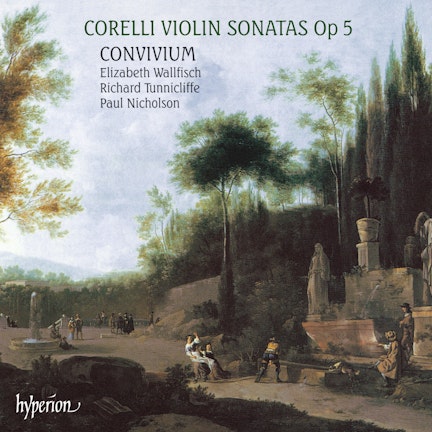
Corelli: Violin Sonatas, Op. 5
Abbate Ranieri Capponi: 6 Sonatas for Mandolin & Basso continuo
Degli Antoni: 12 Sonatas, Op. 4
Handel: Complete Violin Sonatas
Vivaldi: XII Suonate à violino solo, e basso per il cembalo
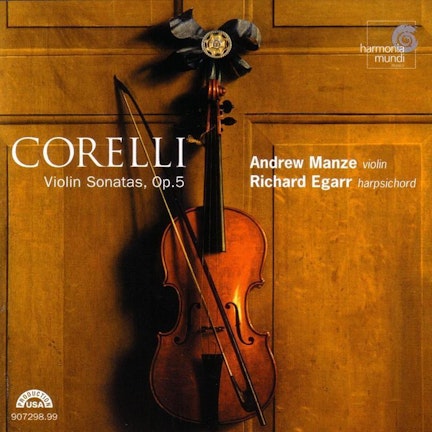
Corelli: 12 Violin Sonatas, Op. 5
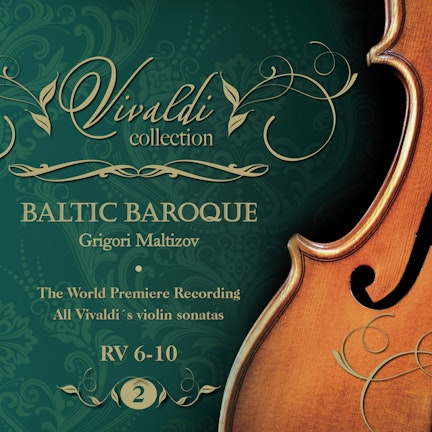
Vivaldi Collection 2 RV 6-10 the World Premiere Recording All Vivaldi Violin Sonatas Baltic Baroque / Maltizov
Locatelli: 4 Violin Sonatas from Op. 6
Handel: Violin Sonata in D Major, HWV 371: I. Affetuoso