Half of Liszt's extensive catalogue of over 750 works consists of transcriptions, arrangements, paraphrases, and fantasias based on other composers' music.
Composer's Artistic Vision
Franz Liszt, the transcriber, aimed to transfer not only the general outlines of Beethoven's compositions to the piano, but also the multitude of details and accessory features that contribute to the perfection of the whole.
Compositional Technique
Liszt's transcription of the Ninth Symphony for solo piano is a 'challenge within a challenge' due to the difficulty of condensing an orchestra, four soloists, and a choir into a single piano.
Instruments
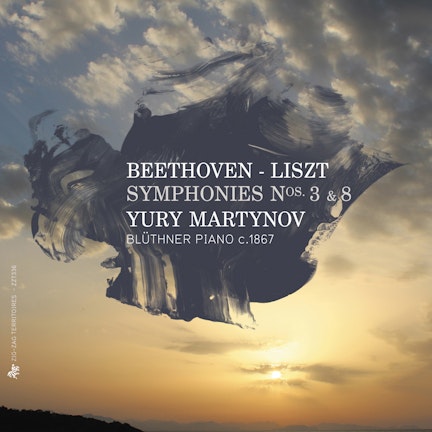
The album features two historical pianos from the Edwin Beunk Collection: an Erard piano from 1837 and a Blüthner piano from around 1867.
Composition History
Liszt first considered transcribing Beethoven's symphonies for piano as early as 1835-1837, inspired by his transcription of Berlioz's Symphonie fantastique.
Composition History
Liszt completed his full set of nine Beethoven symphony transcriptions in 1863-1864, revisiting a project he had left unfinished in 1841.
Composer Biography
Liszt dedicated his early transcriptions of Beethoven's Fifth, Sixth, and Seventh Symphonies to Ingres, the great painter and director of the Villa Medici, with whom Liszt played Beethoven sonatas in Rome.
You might also enjoy...
Liszt: Beethoven Symphonies Nos. 3 & 8
Biret Archive Edition, Vols. 9, 10
Liszt, F.: Annees De Pelerinage, 2Nd Year
Journey
Liszt: Complete Piano Music 12 – Années de pèlerinage III