A critical mythology has prevented the investigation and performance of many of Liszt's finest works for a century after his death.
Composition History
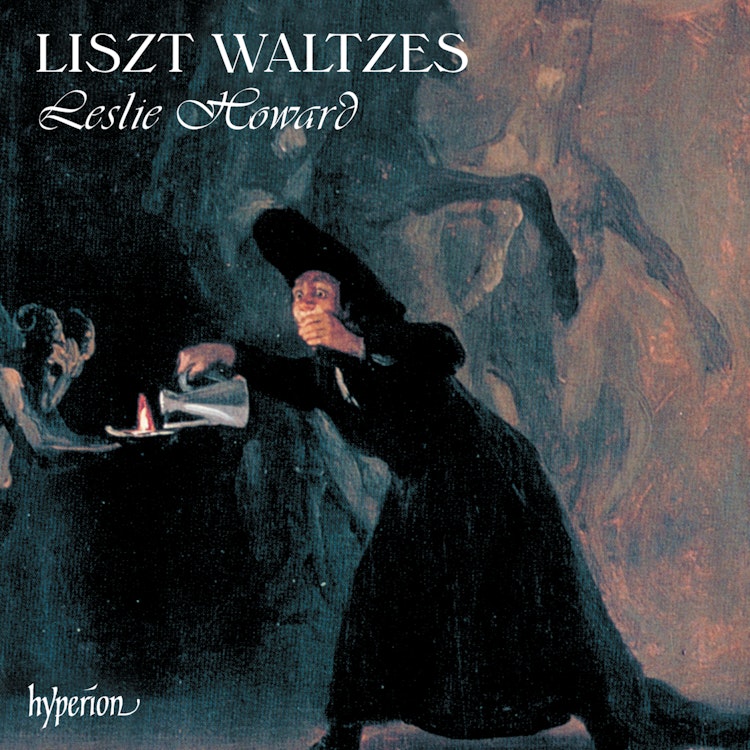
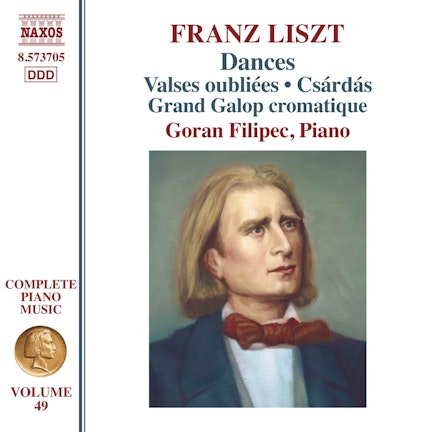
This album contains all of Liszt's complete original concert waltzes for piano, excluding juvenilia, a few album-leaves, early versions, and works based on other composers' music.
Performer Biography
Leslie Howard completed the Andantino for Liszt's Mephisto Waltz No. 4 in 1978 for the Liszt-Bartók cycle at La Scala, Milan, and dedicated this version to Alfred Brendel.
Composer's Artistic Vision
The four Valses oubliées, or 'Forgotten Waltzes', are wistful late works by Liszt that evoke images of past times and joys.
Compositional Technique
The Bagatelle sans tonalité, a piece without a clear tonal center, was originally intended to be the Fourth Mephisto Waltz.
Critical Reception
Liszt's waltzes are less frequently encountered in their entirety than Chopin's, possibly because the four Mephisto Waltzes are physically demanding to play consecutively.
Compositional Technique
The Mephisto Waltz No. 2 begins and ends with the unresolved interval of a tritone, known as 'diabolus in musica', creating a disconcerting effect.
You might also enjoy...
Worlds of Liszt
Nojima Plays Liszt
Liszt: Piano Works
Visions of Liszt
Liszt: Mephisto-Walzer, Chasse-neige, Ricordanza, Gaudeamus igitur, Jeux d'eau à la Villa d'Este...
Heller: Piano Studies
Liszt: Famous Piano Works
Récital Liszt: Méphisto-valse, Rapsodie espagnole, Grand galop chromatique...
Liszt: 12 Études d'exécution transcendante
Liszt: Piano Sonata & Transcendental Etudes
Liszt: Piano Works
Liszt: Dances
Liszt: Grandes études de Paganini, S. 141 & Études d'exécution transcendante d'après Paganini, S. 140