In his later years, Liszt's music became more introspective, with leaner textures and a disregard for whether many of his works would be performed or published.
Album & Artwork
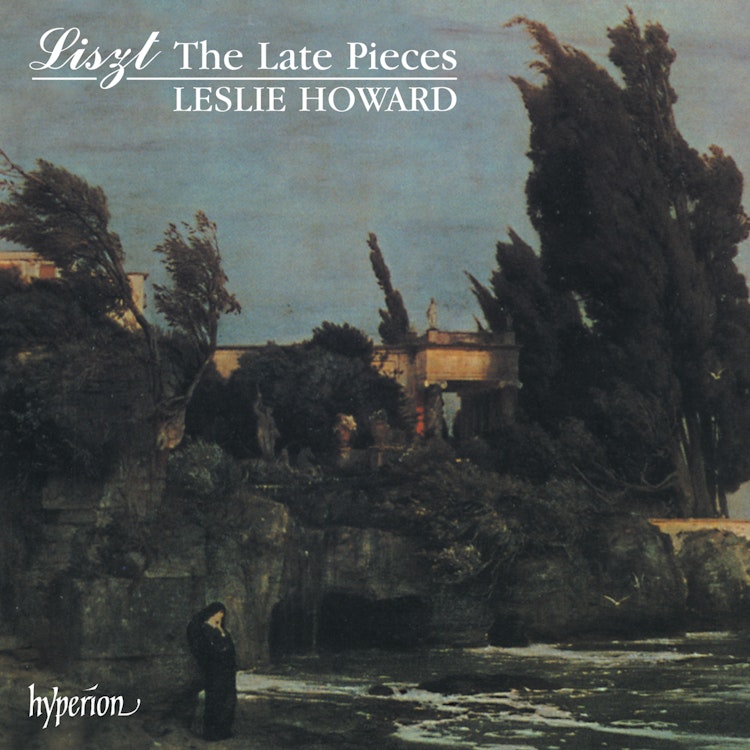
The front illustration for this album is "Villa am Meer II" (1865) by Arnold Böcklin, a Swiss Symbolist painter.
Composer's Artistic Vision
Liszt's late works reflect a shift from seeking a wide public to solitary meditation, as described by psychiatrist Anthony Storr in his book "The School of Genius."
Composer Biography
Liszt's "third period" of composition began with his departure from Weimar and retirement to Rome in the mid-1860s.
Compositional Technique
The old virtuosity is almost entirely absent in Liszt's late piano pieces, with the musical demands far outweighing the purely technical ones.
Recording & Production
This album features several "first recordings" of Liszt's late piano pieces, including an alternative version of "Schlaflos!" and the pieces "Abschied Russisches Volkslied," "Slyepoi Der blinde Sänger," "Ungarns Gott," and "Ungarisches Königslied."
Compositional Technique
Liszt's late music often anticipated composers like Debussy, Scriabin, Schoenberg, and Bartók, showcasing a breakdown of tonality, open forms, and avant-garde harmonies.
You might also enjoy...
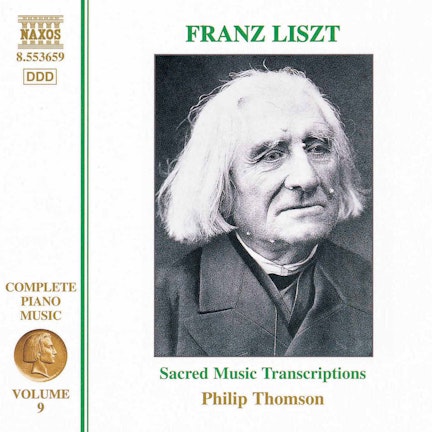
Liszt: Sacred Music Transcriptions
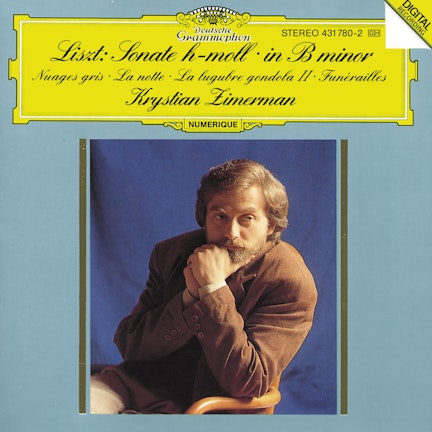
Liszt: Piano Sonata in B minor; Nuages gris; La notte; La lugubre gondola II; Funérailles
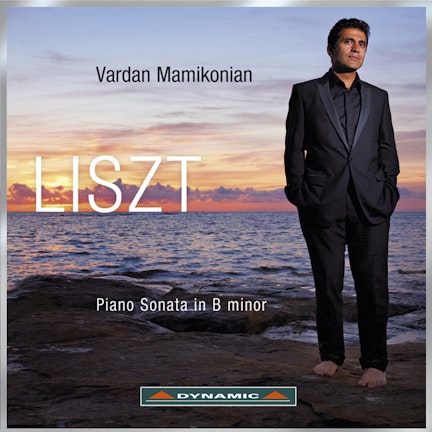
Liszt: Vardan Mamikonian
An Evening with Liszt
Liszt: Complete Piano Works, Vol. 44 – Transcriptions of Vocal Works
Liszt: Complete Piano Music, Vol. 63: Weihnachtsbaum
Metanoia
Liszt: An Italian Recital
Liszt: Between Light & Darkness
Liszt: Complete Piano Music 9 – Sonata, Elegies & Consolations