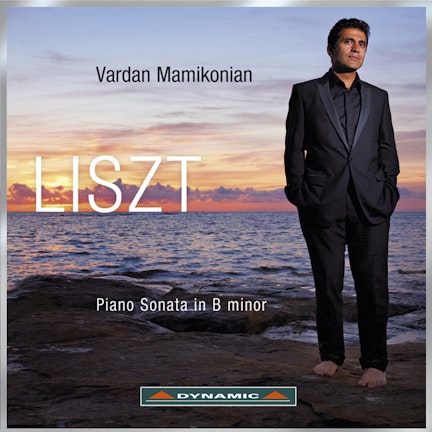
Liszt dedicated his Sonata in B Minor to Robert Schumann as a reciprocal gesture after Schumann dedicated his Phantasie, Op. 17, to Liszt.
Compositional Technique
Liszt's transformative development of piano technique, through his performance, composition, and pedagogy, is considered his greatest and most lasting contribution.
Composer's Artistic Vision
Liszt's music connects to the past while also developing a new individual voice, inspired by a wide range of attributes from pagan folk to deeply religious music.
Critical Reception
Liszt's Sonata in B Minor was initially met with indifference and harsh criticism, with Berlin's Nationalzeitung deriding it as 'an invitation to hissing and stamping' after its premiere.
Performer Biography
Pianist Lucille Chung was one of Lazar Berman's first female students; Berman was regarded as his generation's ultimate Liszt interpreter.
Composer Biography
Franz Liszt was considered the 19th-century equivalent of a rock star, known for his piano skills and ability to navigate all social circles.
Composer Biography
Liszt's extraordinary piano facility was partly due to his unique physical advantages, including long, narrow hands that lacked webbing between the fingers, allowing him to stretch a tenth with ease.
You might also enjoy...
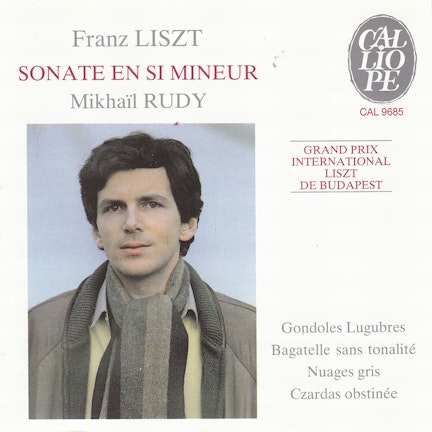
Liszt: Sonate en si mineur
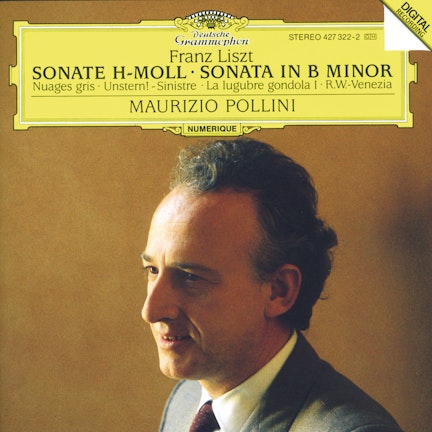
Liszt: Sonata in B minor; Nuages gris; Unstern! Sinistre; La lugubre gondola; R.W.-Venezia
Liszt: Complete Piano Works, Vol. 44 – Transcriptions of Vocal Works
Barry Douglas Plays Liszt & Berg & Webern
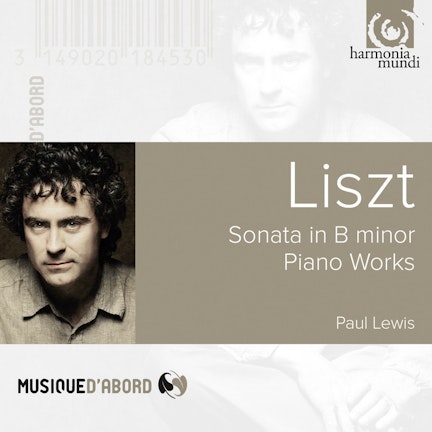
Liszt: Sonata in B Minor - Piano Works
Liszt: Sonate en si mineur
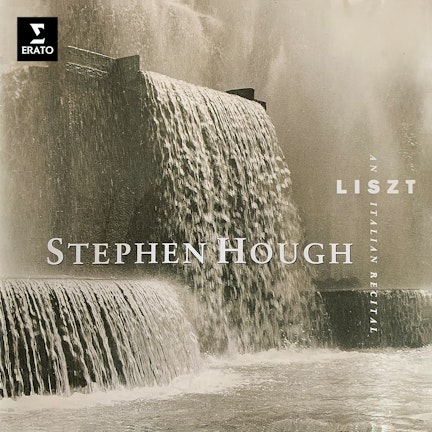
Liszt: An Italian Recital
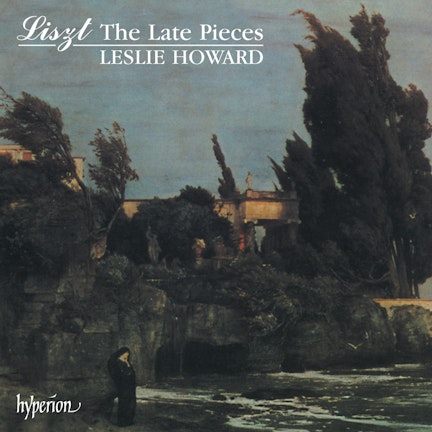
Liszt: Complete Piano Music 11 – The Late Pieces
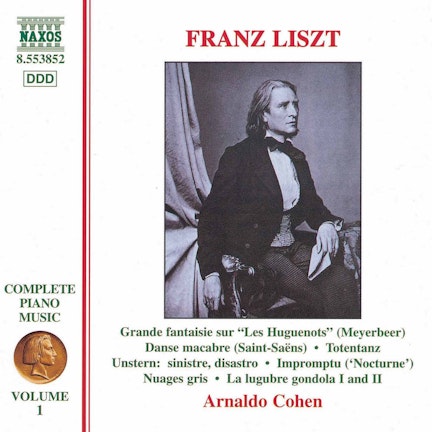
Liszt: Danse Macabre / Totentanz / Nuages Gris
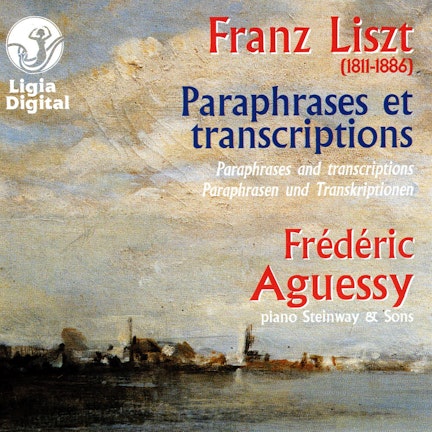
Liszt : Paraphrases et transcriptions
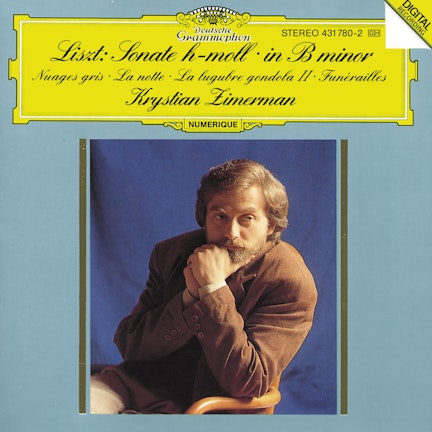
Liszt: Piano Sonata in B minor; Nuages gris; La notte; La lugubre gondola II; Funérailles