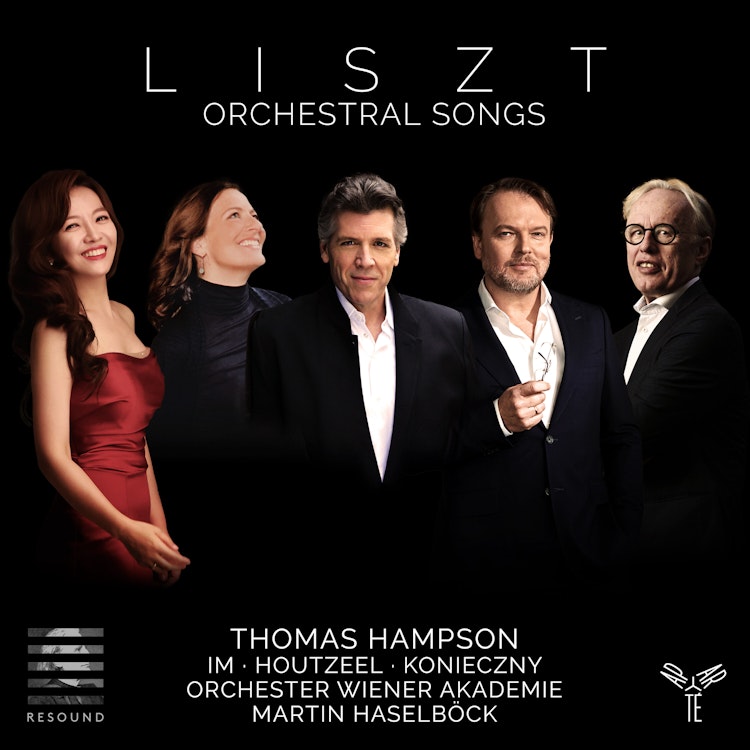
In 1860, Liszt decided to orchestrate three of his own songs and 'half a dozen of Schubert's songs,' giving a decisive impetus for the adoption of orchestral song performance in Germany.
Composer's Artistic Vision
Franz Liszt's lieder output served as a laboratory for his artistic and aesthetic views, being more diverse and open to influences and experimentation than that of other composers.
Composition History
Liszt's Weimar years were a decisive phase for his orchestral songs, as he gained experience with the court orchestra and worked with his assistant August Conradi on orchestrating lieder.
Compositional Technique
In Die Vätergruft, Liszt made innovative use of the timpani, giving the instrument a leading role from the beginning to fill pauses with echo-like interludes, corresponding to the vault's 'ghostly sounds'.
Compositional Technique
Liszt's orchestral song Weimars Toten, his first original orchestral song, uses a large orchestra including a bass tuba, which was characteristic of Liszt's orchestra but still new at the time.
Composer's Artistic Vision
Neither Béranger, the poet of Le Juif errant, nor Liszt, who explicitly criticized Wagner's hatred of Jews, allowed themselves to be infected by anti-Semitic ideas.
Composition History
The orchestral version of Liszt's Le Juif errant, based on a French poem by Pierre-Jean de Béranger, remained unpublished and unknown for a long time.
You might also enjoy...
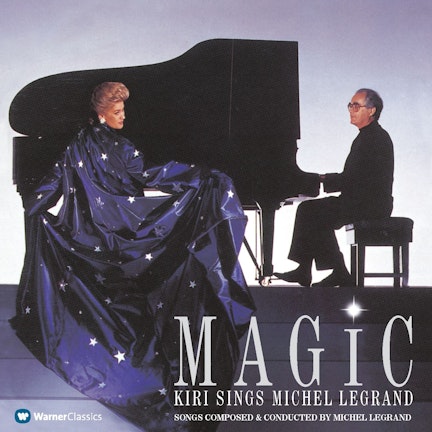
Legrand : Magic
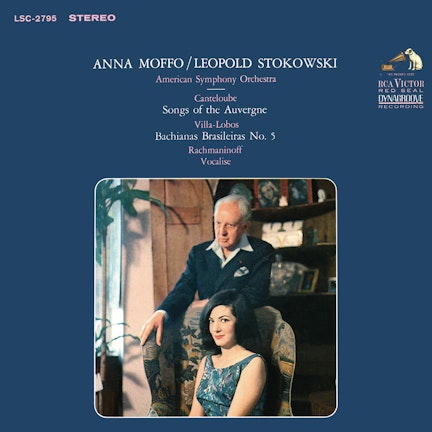
Anna Moffo sings Canteloube: Songs of the Auvergne; Villa-Lobos: Bachianas Brasileiras No. 5; Rachmaninoff: Vocalise
Canteloube : Chants d'Auvergne [Complete]
A Shropshire Lad: English Songs Orchestrated by Roderick Williams
Canteloube: Chants D'Auvergne (Selections), Vol. 2 / Chant De France / Triptyque