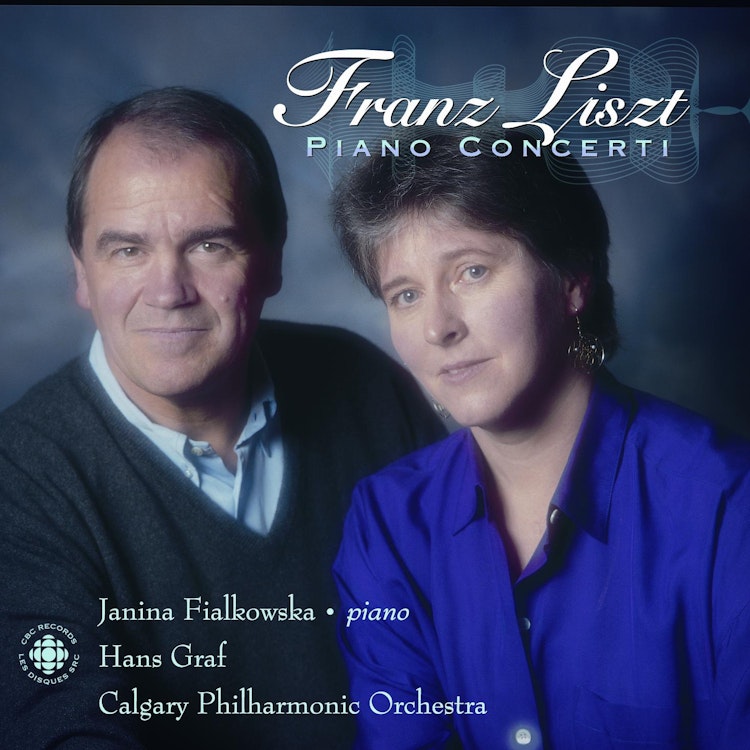
Liszt: Piano Concertos Nos. 1 - 3 / Piano Concerto in Hungarian Style
1/1/2000, 10 Tracks, 1:05:35
Featuring
Hans Graf
Janina Fialkowska
Calgary Philharmonic Orchestra
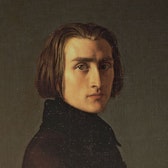
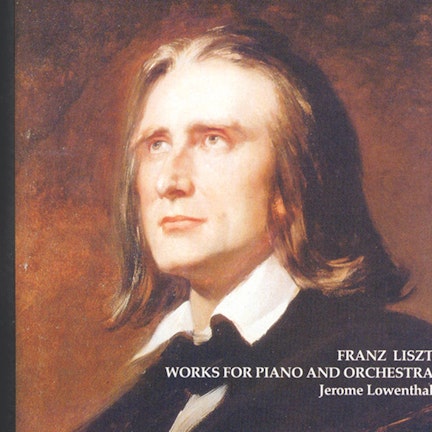
Franz Liszt
Sophie Menter
Did you know?
1/7
Composer Biography
During his lifetime, Franz Liszt was considered not only a successful concert pianist but also a highly influential and revered teacher and composer.
Composition History
The 'Concerto in the Hungarian Style' (also known as the 'Sophie Menter Concerto') was actually composed by Liszt for his pupil Sophie Menter, with orchestral accompaniment later added by Tchaikovsky.
Compositional Technique
Liszt's concerti feature a concept, inspired by Berlioz and Beethoven, where a single musical idea evolves and develops throughout the entire work, creating internal unity.
Composer's Artistic Vision
Maurice Ravel, a French composer, argued that Franz Liszt's musical 'shortcomings' were actually influential, contributing to the styles of composers like Wagner, Strauss, and Franck.
Composition History
Liszt's two published piano concerti (in E flat and A Major) were composed over long periods, with early sketches dating from the 1830s, but not completed until 1849.
Composition History
Liszt's Piano Concerto No. 3, E flat, Op. Posth., was composed before 1839 but was lost or forgotten and never performed during his lifetime.
Compositional Technique
Liszt's E flat Major Concerto achieved notoriety for its prominent use of the triangle, earning it the nickname 'Triangle Concerto'.
You might also enjoy...
Liszt: Piano and Orchestra Works
Bartók: Piano Concertos
Liszt, F.: Piano Concerto No. 2 / Fantasy On Hungarian Folk Themes / Weber - Polonaise Brillante / Weber - Freischutz Fantasie
Liszt: The 2 Piano Concertos
Bartók: The Piano Concertos
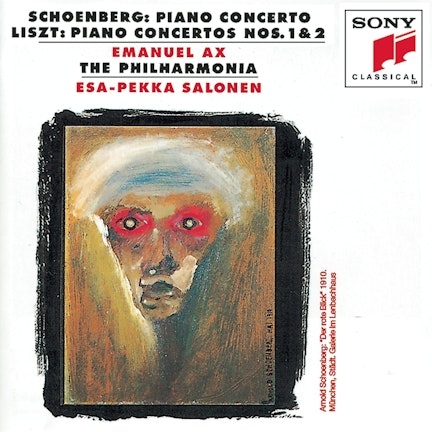
Schoenberg: Piano Concerto; Liszt: Piano Concertos Nos. 1 & 2
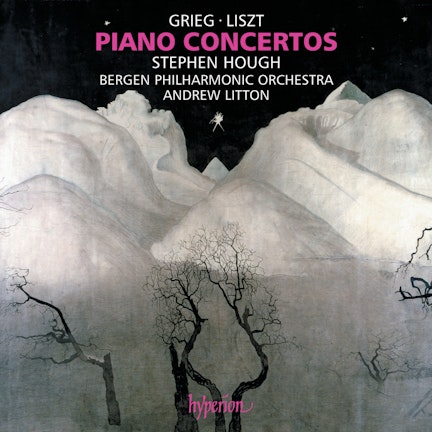
Grieg: Piano Concerto; Liszt: Piano Concertos Nos.1 & 2
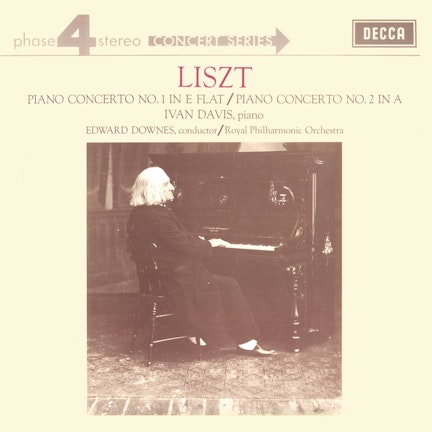
Liszt: Piano Concertos Nos.1 & 2
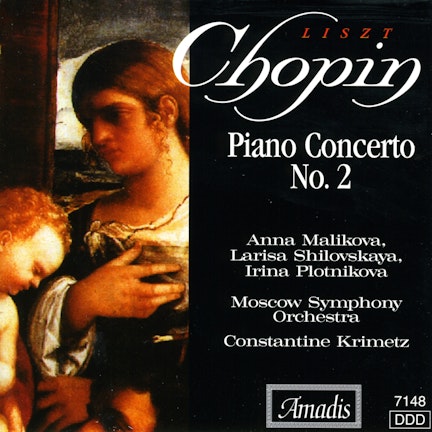
Chopin: Piano Concerto No. 2 / Liszt: Piano Concertos Nos. 1-2
Liszt: Piano Concertos Nos. 1 & 2 – Grieg: Piano Concerto
MacDowell: Piano Concerto No. 2 - Liszt: Piano Concertos Nos. 1 & 2