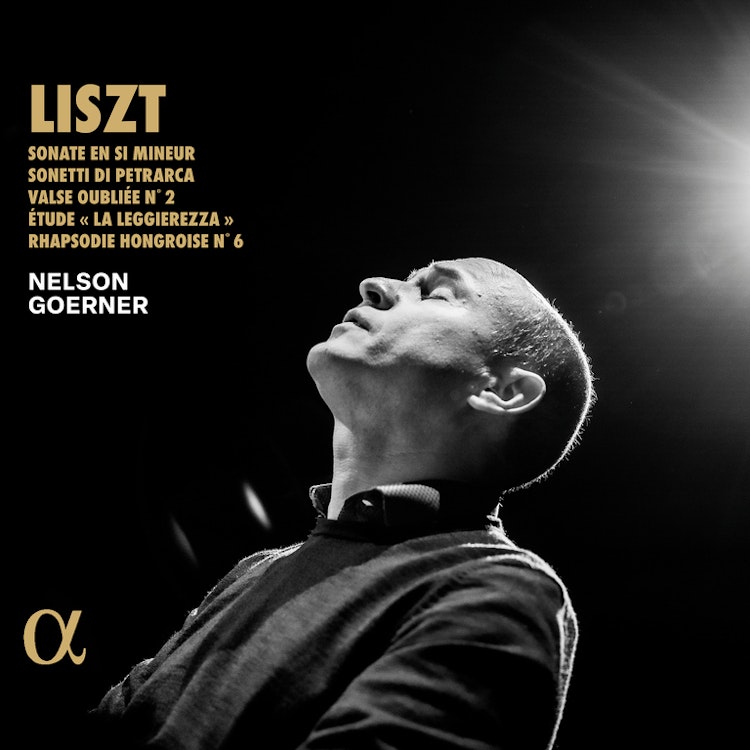
Liszt: Sonate en si mineur, Sonetti di Petrarca, Valse oubliée No.2, Étude "La leggierezza", Rhapsodie hongroise No.6
4/5/2024, 9 Tracks, 1:06:41
Featuring
Nelson Goerner
Franz Liszt
Did you know?
1/6
Composition History
Liszt's settings of Petrarch's Sonnets were inspired by his own strained relationship with Marie d'Agoult, a French countess and writer.
Critical Reception
Clara Schumann, a virtuoso pianist and wife of Robert Schumann, found Liszt's Piano Sonata in B minor to be "senseless noise" and "impossible to find a clear harmonic progression."
Composition History
Liszt's Piano Sonata in B minor was completed between 1852-1853 and dedicated to Robert Schumann as a belated thank you for Schumann's Fantaisie op. 17.
Composition History
Liszt's Hungarian Rhapsodies, including No. 6, were based on 'popular' themes from anthologies and dances performed by Romany people, rather than truly folkloric music.
Critical Reception
Richard Wagner, the German composer, praised Liszt's Piano Sonata in B minor as "beautiful beyond words, grand, [...] profound and noble," though he seemed to be alone in this opinion among critics.
Composition History
The Valse oubliée No. 2 (Forgotten Waltz No. 2) was composed in July 1883, during a period when Liszt was described as being "plunged into a certain despair."
You might also enjoy...
Ivan Yanakov: Works by Liszt
Bach, Beethoven, Schubert, Liszt & Debussy: Piano Works
Kissin Plays Liszt
Liszt: Complete Piano Music 1 – Waltzes
Liszt: Piano Works
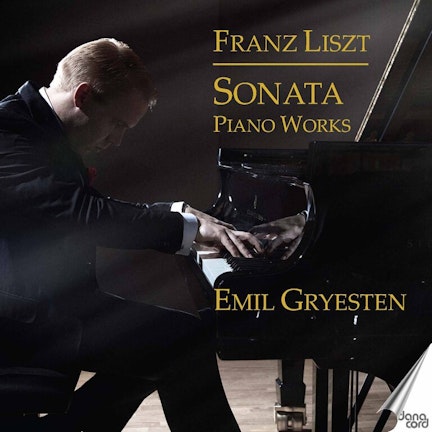
Franz Liszt: Sonata - Piano Works
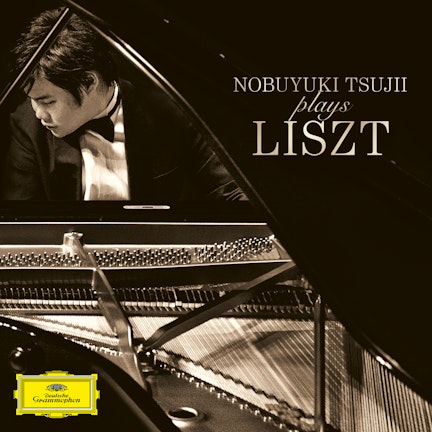
Nobuyuki Tsujii Plays Liszt
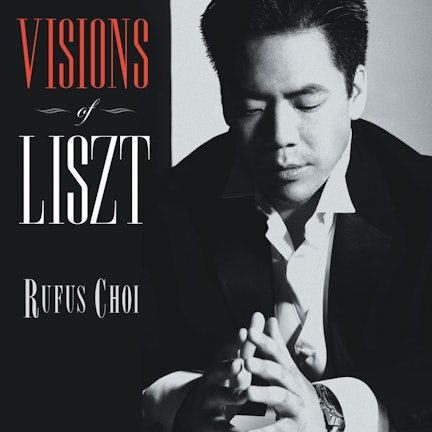
Visions of Liszt
Liszt: Piano Works
Tokarev plays Liszt - His Early Recordings
Liszt: Concerto pathétique, S. 258 - Brahms: Sonate pour deux pianos, Op. 34bis