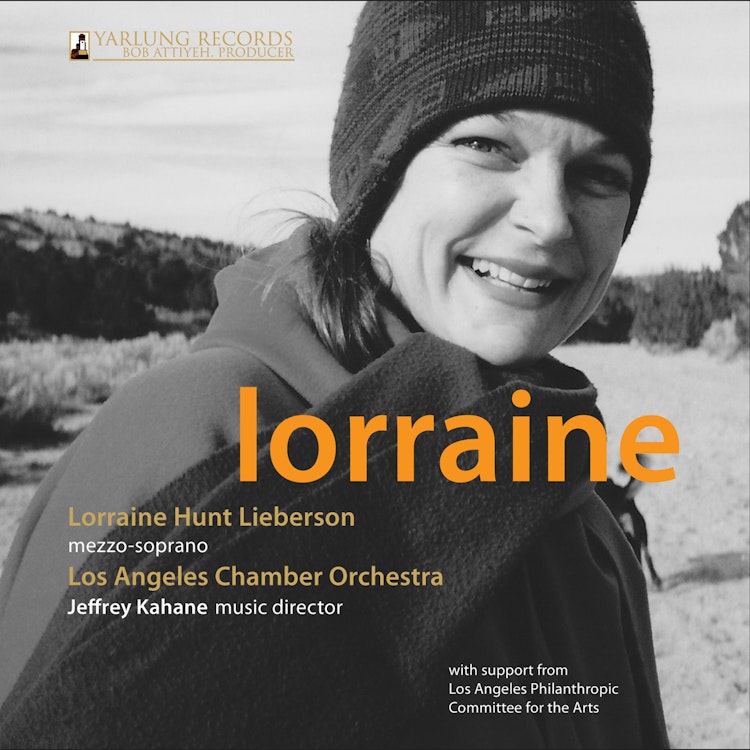
Lorraine Hunt Lieberson, the mezzo-soprano on this recording, was known for her ability to communicate deep layers of meaning in a text, making it seem as if she wrote the poetry herself.
Composer's Artistic Vision
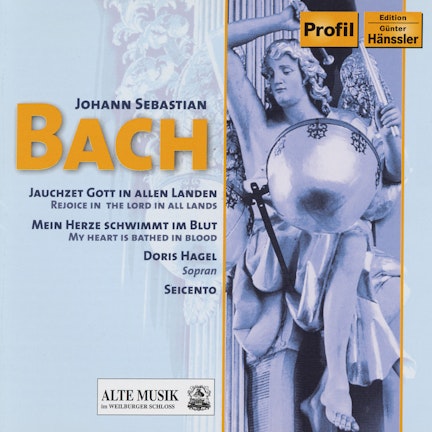
Bach's Cantata BWV 199, Mein Herze schwimmt im Blut, addresses the depths of the human condition, struggling with pain, and then reveals transcendence, redemption, and catharsis.
Composition History
Bach's Brandenburg Concertos, including No. 4 on this album, were likely written before his meeting with the Margrave of Brandenburg, to whom he later sent them in hopes of securing a job.
Recording & Production
During the first rehearsal for Bach's Cantata BWV 199, Lorraine Hunt Lieberson's performance of the opening recitative was so moving that the musicians were brought to tears and gave uproarious applause.
Interpretation
For this recording, Lorraine Hunt Lieberson chose the Weimar version of Bach's Cantata BWV 199, transposed down a half step to B Minor, to match the original pitches heard in 1714.
Historical Context
Bach's Cantata BWV 199, Mein Herze schwimmt im Blut, was first performed on August 12th, 1714, as part of a monthly cantata cycle he wrote as Konzertmeister for Johann Ernst von Sachsen-Weimar.
Performer Biography
Lorraine Hunt Lieberson, the mezzo-soprano, demanded perfection from herself and others, and if musicians lost focus, she would quietly withdraw, making it difficult to regain her trust.
You might also enjoy...
Bach: Cantatas Bwv 29, 51 and 199 / Concerto in D Major