The Great Organ of Saint-Maximin la Sainte-Baume was reportedly saved from destruction during the French Revolution by a monk who played revolutionary songs on it.
Composer Biography
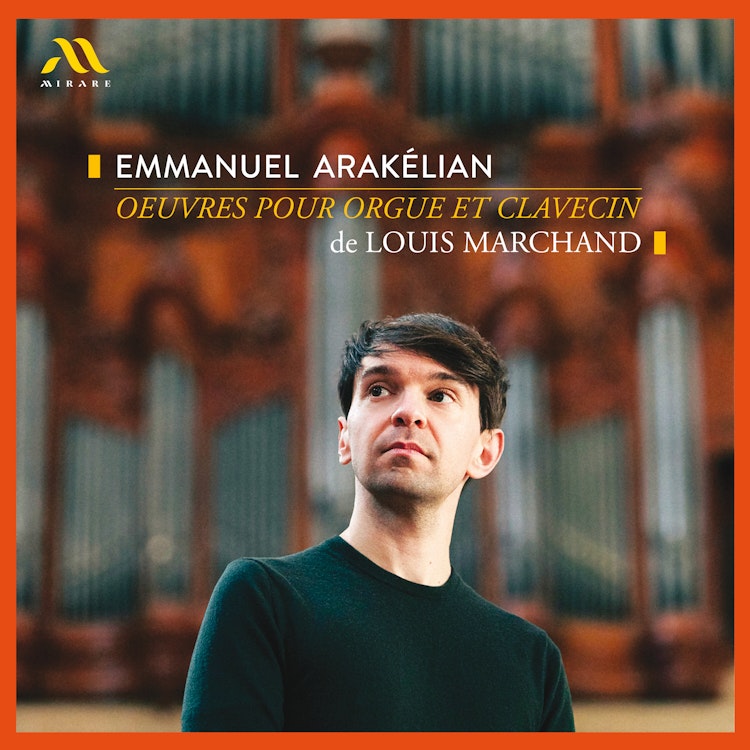
Louis Marchand served as organist to King Louis XIV at the Royal Chapel, succeeding Gabriel Nivers, and was a sought-after teacher for nobility.
Composer Biography
Louis Marchand's reputation was tarnished by his temper, and he was reportedly driven out of the kingdom by Louis XIV due to his provocations.
Composer's Artistic Vision
Louis Marchand, like François Couperin and Louis-Nicolas Clérambault, was skilled in both organ and harpsichord, a rare achievement for composers of his time.
Instruments
The Great Organ of Saint-Maximin la Sainte-Baume, built between 1772 and 1774 by Brother Jean-Esprit Isnard and his nephew Joseph Isnard, is considered the largest and most extraordinary preserved organ of its era in France, with 99% of its original pipework.
Composition History
Louis Marchand's 'livre de Pièces pour le Clavecin' was first published in 1699, followed by a shorter suite in 1702.
Composer Biography
Louis Marchand (1669-1732), a native of Lyon and son of an organist, was considered a keyboard virtuoso from a young age.
You might also enjoy...
Bach, J.S.: Organ Music, Vol. 5
Florentine Romantic Organ Music
Stylus Phantansticus: The Hidden Writing
Various authors: La Scuola Organistica
del Xvii Secolo vol.II - Massimiliano Sanca organo
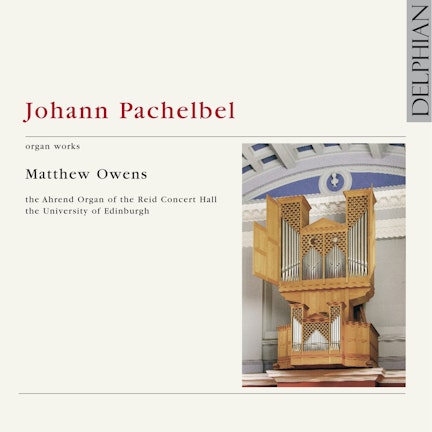
Johann Pachelbel: Organ Works
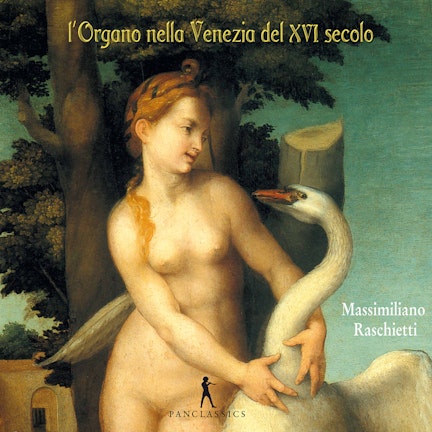
Organ Music in 16th-Century Venice
Bach: Organ Works Vol.1
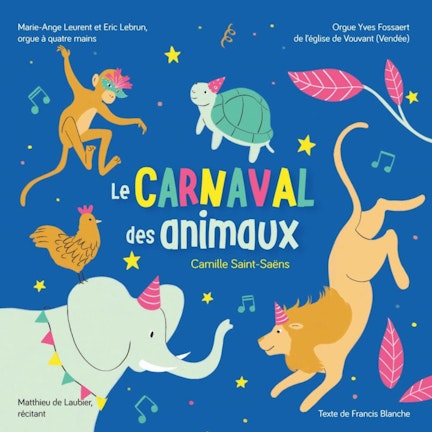
Le carnaval des animaux à l'orgue de Vouvant (Vendée)